Explore Cyprus with Our Interactive Map

Explore our top stories and discover ideas worth your time.

Sun-Chasing Yellow Blossoms of Cyprus

Sun-Chasing Yellow Blossoms of Cyprus

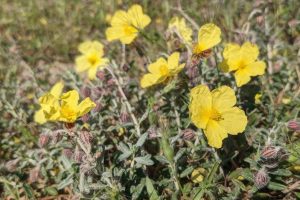
Springtime in Cyprus brings a splash of sunshine to rocky hills with Cyprus Rock-rose Helianthemum obtusifolium, a wildflower that's like a mini sunrose hugging the ground. This tough little plant, found only on the island, turns dry slopes into cheerful displays. But why does it follow the sun, and what ancient stories hide in its petals? www.inaturalist.org Just What Is This Sunny Cypriot Native? Helianthemum obtusifolium is a small, shrub-like wildflower from the rockrose family, the kind of plants that love sunny, dry spots around the Mediterranean. It's a perennial that pops up year after year, adding bright yellow touches to Cyprus's wild landscapes without needing much care. Roots in Cyprus's Ancient Earth and Botanical Tales Millions of years ago, as ancient seas dried up and tectonic shifts shaped Cyprus's rocky hills, plants like this one adapted to the island's isolation, evolving into unique species. First named in 1824 by French botanist Michel Félix Dunal, it draws from Greek words for "sun flower," reflecting how explorers in the 19th century uncovered Cyprus's floral secrets during Mediterranean expeditions. It's part of a broader story of how Cyprus, like a natural time capsule, preserved these gems from prehistoric times. A Fuzzy Bush with Crinkly Yellow Charms This low-growing plant reaches about 25-30 cm tall, with woody stems that spread out like a…

Read more

Cyprus Fertile River Valleys

Cyprus Fertile River Valleys

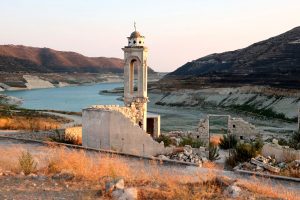
Cyprus contains approximately 35 streams and rivers, though most qualify as temporary watercourses that flow only during winter rains. These rivers create fertile valleys that have supported agricultural communities for over 9,000 years. The island receives an estimated 600 million cubic meters of usable runoff from annual rainfall, a limited resource distributed unevenly across the landscape. Major rivers, including the Pedieos, Kouris, Xeros, Vasilikos, and Diarizos originate in the Troodos Mountains, flow through productive valleys, and terminate either at the Mediterranean coast or in modern reservoir systems. theislandofcyprus.com The Pedieos River Valley and Central Plains Agriculture The Pedieos River extends 100 kilometers from its source near Machairas Monastery in the Troodos range, making it the longest river in Cyprus. The river flows northeast through the Mesaoria Plain, passes through Nicosia, and then continues east to Famagusta Bay near the ancient city of Salamis. Archaeological evidence confirms continuous agricultural settlement along the Pedieos valley from the Bronze Age through modern times. The ancient town of Tamasos developed on the left bank of the Pedieos, its ruins extending across a hill overlooking the rich valley below. wikipedia.org The river derives its name from ancient Greek words meaning to see the east, as its course coincides with the path of the dawn goddess. The Mesaoria Plain, traversed by the Pedieos and several tributary…

Read more
Nymphaeum of Kourion Roman Water Architecture

Nymphaeum of Kourion Roman Water Architecture

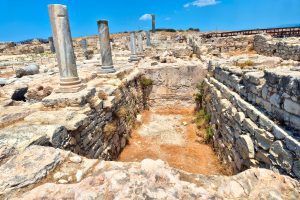
The nymphaeum at Kourion stands as one of the largest fountain complexes in the Roman Mediterranean world. This impressive water structure measured 45 meters long and 15 meters wide at its peak, dominating the northern edge of the city's public forum. Built through four major construction phases between the early first century and the mid-seventh century AD, the nymphaeum served not just as a water source but as a grand architectural statement about Roman power and civilization in Cyprus. cyprusalive.com Kourion occupied a strategic hilltop position on the southern coast of Cyprus, about 19 kilometers west of modern Limassol. Founded around the 13th century BC by Argive colonists according to tradition, the city controlled fertile valleys and natural harbors. This location brought prosperity through trade in grain, sheep, copper, and agricultural products across the Mediterranean. Before the Romans built aqueducts, Kourion depended largely on stored rainwater collected in numerous bottle-shaped cisterns carved into bedrock. The city and the nearby Sanctuary of Apollo Hylates both lacked natural springs. Residents had to transport water in jars by animal portage from distant sources. As the city grew wealthier and more populous, this system became inadequate. The construction of at least one major aqueduct, possibly followed by a second larger one, solved this problem by bringing water from springs further inland. Historical Background In…

Read more