Explore Cyprus with Our Interactive Map

Explore our top stories and discover ideas worth your time.

Seasons of Cyprus

Seasons of Cyprus

Cyprus experiences four distinct seasons, each with dramatic differences across its varied landscape. The same day that sees snow on Mount Olympus can bring 20-degree sunshine to coastal beaches just an hour away. This climate diversity creates a unique Mediterranean island where visitors can ski in the morning and swim in the afternoon. Understanding these seasonal patterns helps explain both the natural beauty and the agricultural traditions that define Cyprus. royalcaribbean.com The island enjoys roughly 300 days of sunshine annually, with temperatures influenced heavily by elevation. Coastal areas maintain mild winters and hot summers, while the Troodos Mountains create their own weather patterns. Average annual temperature along the coast reaches 26 degrees Celsius during the day and 17 degrees at night. The warm season lasts eight months, from April through November, making Cyprus one of the warmest locations in the Mediterranean region of the European Union. Winter and the Unexpected Snow Season Winter in Cyprus runs from December through February, but coastal residents often consider it autumn by northern European standards. Average temperatures along the coast hover around 16 to 17 degrees Celsius during the day, with nights cooling to 5 to 7 degrees. Rain falls occasionally, concentrated in these winter months which receive about 60 percent of the annual precipitation. Despite the rain, sunshine remains abundant with an average…

Read more
Pancyprian Gymnasium Museum Nicosia History

Pancyprian Gymnasium Museum Nicosia History

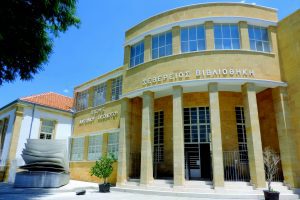
wikimedia.org The Museums of the Pancyprian Gymnasium occupy a series of restored houses just north of the school itself. These buildings house multiple collections under one roof, including a school history museum, archaeological and numismatic collections, an art gallery, natural history exhibits, antique maps, old weaponry, and a remarkable collection of Gothic sculptures. Each section contributes to a broader understanding of Cypriot education, culture, and history from different angles. The museum operates separately from the school but maintains a close connection to the institution that gave it life. Visitors enter from Thisseos Street rather than through the school grounds. The space has been carefully organized to guide guests through different aspects of the school's influence on Cyprus over more than two centuries. Historical Background Archbishop Kyprianos founded the Pancyprian Gymnasium in 1812 during Ottoman rule. The school was originally called the Hellenic School of Nicosia and stands today as the oldest continuously operating high school on the island. Before this institution, a school called Ellinomouseion had existed at the same location since 1753. The founding of the school represented a bold step in preserving Greek education and culture during a period of Ottoman control. Archbishop Kyprianos, who served as the head of the Cypriot Orthodox Church, saw education as essential to maintaining the cultural identity of the island's Greek population.…

Read more
Monastery of Saint John Lampadistis Architecture

Monastery of Saint John Lampadistis Architecture

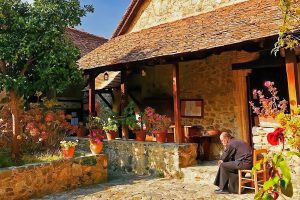
Historical Background and Spiritual Significance The Monastery of Saint John Lampadistis, located in the Marathasa Valley of the Troodos Mountains near the village of Kalopanayiotis, is one of the most distinctive monuments within the UNESCO World Heritage group known as the Painted Churches of the Troodos Region. Its importance lies not only in its remarkable frescoes but also in its unusual architectural composition. Unlike single-phase churches, this monastic complex combines three interconnected churches built in different periods, all enclosed beneath a later protective roof. This layered structure makes the monastery a rare example of architectural continuity, reflecting the gradual development of religious space in response to changing spiritual, artistic, and community needs. tui-co-uk The monastery is dedicated to Saint John Lampadistis, a local Cypriot saint whose life is associated with piety, endurance, and miraculous healing. According to tradition, he lived in the region during the Byzantine period and became a figure of popular devotion after his death. His tomb within the complex transformed the monastery into a pilgrimage center, attracting worshippers seeking spiritual assistance. The religious importance of the site ensured its continued maintenance and expansion over centuries, leading to the creation of a complex that embodies both local religious tradition and broader Byzantine artistic influence. Architectural Composition and Structural Evolution The most remarkable feature of the Monastery of Saint…

Read more