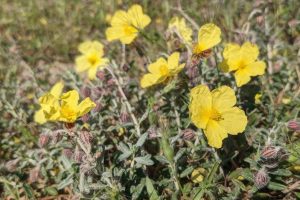
As winter’s grip loosens on Cyprus’s high peaks, delicate blooms emerge like whispers of color against the white. Cyprus is home to three special crocuses — endemic treasures found nowhere else — that brighten rocky slopes with lilac, white, and purple hues. But what makes each one unique, and how have they survived in this island paradise for millennia?
- What Are These Charming Little Snow Defiers?
- A Blooming Legacy from Cyprus's Ancient Times
- Envisioning Three Distinctive Mountain Beauties
- Bet You Didn't Know These Crocus Curiosities!
- Peering Deeper: Island Gems in a Global Flower Family
- Still Sprouting Pride in Today's Cyprus
- Ready for a Chilly Crocus Quest?
- Why These Humble Blooms Weave Cyprus's Wild Tapestry
What Are These Charming Little Snow Defiers?
These crocuses are small, wild flowers that grow from hidden bulbs underground, much like the colorful ones we plant in gardens. They’re part of the iris family, a big group of plants known for their elegant petals and roles in everything from spices to myths. In Cyprus, these three — Crocus cyprius, Crocus hartmannianus, and Crocus veneris — add a touch of magic to the island’s wild spots, blooming when most plants are still asleep.
A Blooming Legacy from Cyprus’s Ancient Times
The crocus family sprouted in the Miocene, spreading across the Mediterranean and giving Cyprus its own versions, first noted by 19th-century explorers Boissier and Kotschy who named them after the island’s beauty.
Envisioning Three Distinctive Mountain Beauties
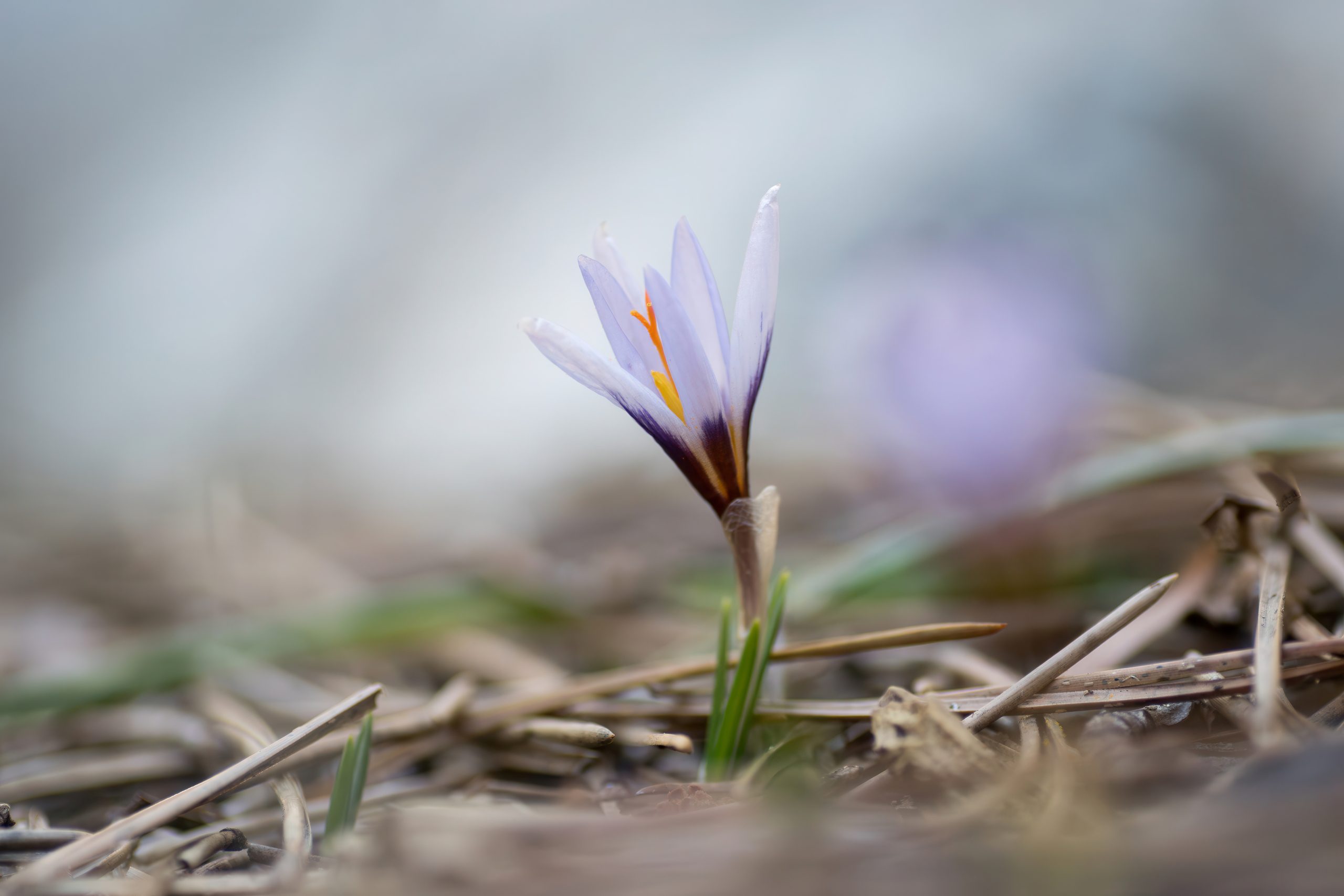
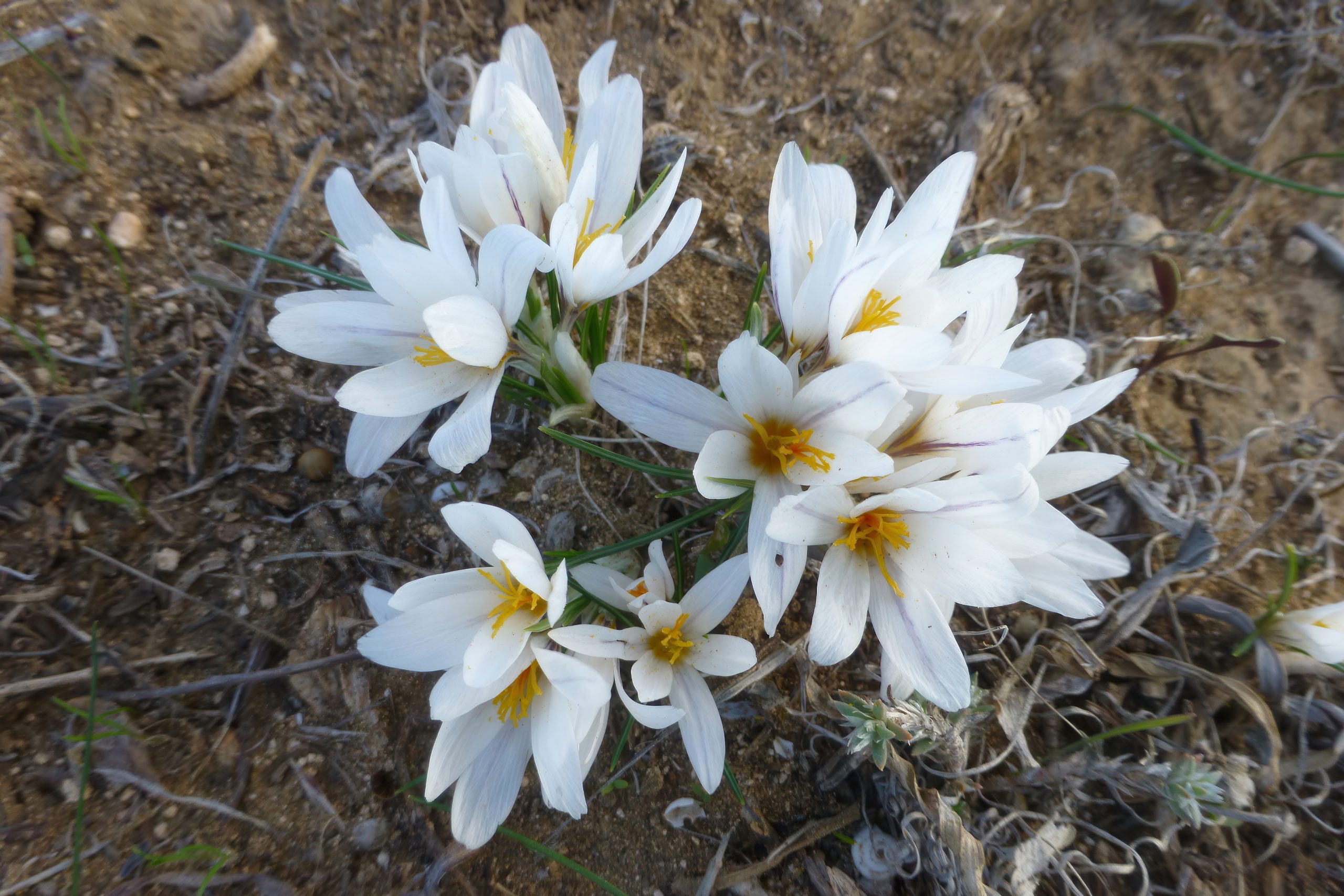
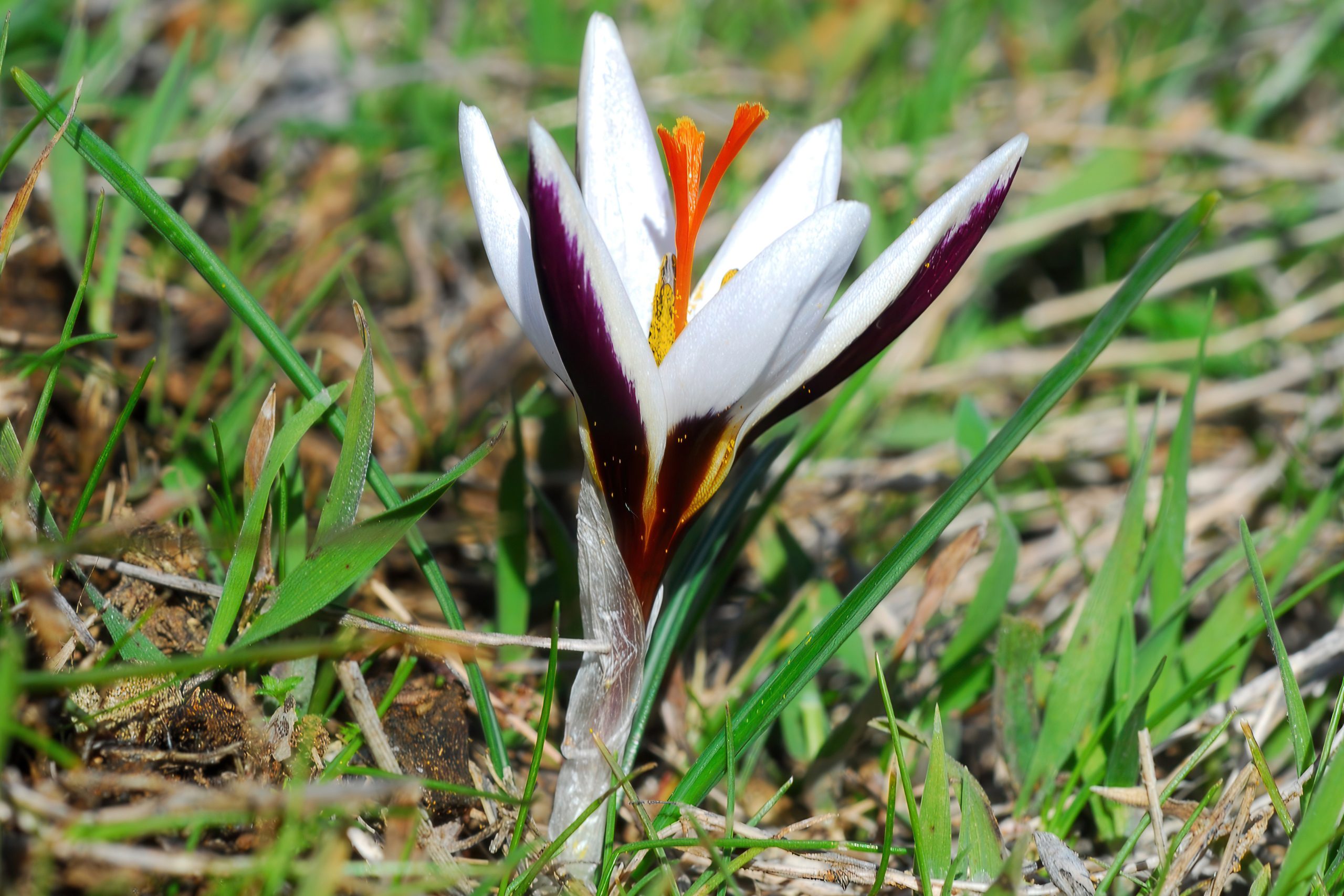
Each of these crocuses has its own look that sets it apart. Crocus cyprius, or Κύπριος κρόκος (meaning “Cypriot crocus”), grows 5-10 cm tall with grass-like leaves striped white in the middle and funnel-shaped flowers in lilac or white with violet outer stripes and a yellow heart — its yellow anthers and longer petals (1.5-3.5 cm) make it stand out. Crocus hartmannianus, called Χαρτμαννιανός κρόκος (after botanist Hartmann), features darker outer petals with purple-black stripes on a pale mauve base, an orange throat, and purplish-maroon anthers, with leaves as tall as the flowers. Crocus veneris, known as Κρόκος της Αφροδίτης (meaning “crocus of Aphrodite,” the goddess born on Cyprus), has small, starry white blooms with fine black lines from a yellow throat, and a style split into six or more branches — shorter anthers (6-8 mm) and a papery tunic help spot it.
Bet You Didn’t Know These Crocus Curiosities!
Crocus cyprius often pokes through melting snow, earning the “snow crocus” tag, while Crocus veneris blooms in autumn like a sneaky early bird. Crocus hartmannianus varies wildly in petal patterns, from striped to almost black, and all three attract early bees, kickstarting mountain life. In ancient Greek tales, crocuses sprang from godly mishaps, and their relatives gave saffron — a spice once pricier than gold — though these wild ones just dazzle for free!
Peering Deeper: Island Gems in a Global Flower Family
These crocuses belong to the iris family, a worldwide crew of over 2,000 species including garden favorites and spice makers. In Cyprus, Crocus cyprius loves western Troodos peaks from 1,075 to 1,950 meters on volcanic rocks, flowering January to April. Crocus hartmannianus sticks to northern and eastern spots in moist scrub, blooming in February. Crocus veneris prefers limestone areas island-wide, timing its show for November to January. Their bulbs endure freezes, and pollen-rich blooms support pollinators in tough terrains, showing how isolation crafted these Cypriot specials.
Still Sprouting Pride in Today’s Cyprus
These crocuses matter now as symbols of Cyprus’s biodiversity, but they’re fragile — Crocus cyprius and Crocus veneris are vulnerable on the IUCN Red List, while Crocus hartmannianus is endangered with just about 6,000 plants left. In modern life, they inspire park protections and nature hikes, tying into eco-tourism that celebrates the island’s wild side. Cypriots see them as links to Aphrodite’s legacy, blending ancient wonder with calls to fight climate shifts that threaten their snowy homes.
Ready for a Chilly Crocus Quest?
You can glimpse these beauties in Troodos National Forest Park: seek Crocus cyprius near Mount Olympus in winter thaws, Crocus hartmannianus in northern scrub, or Crocus veneris on limestone trails island-wide. The experience feels invigorating — crisp air nipping your cheeks, with the quiet joy of spotting pastel pops amid rocks or snow, offering a peaceful connection to Cyprus’s untamed spirit. Wear layers, bring binoculars, and tread softly to keep their habitats pristine.
Why These Humble Blooms Weave Cyprus’s Wild Tapestry
These endemic crocuses remind us how Cyprus’s rise from ancient seas fostered resilient life that’s as enchanting as it is rare, enriching the Mediterranean’s floral story. Knowing about them deepens our love for the island as a haven where nature’s artistry endures, inspiring us to protect these mountain whispers that make Cyprus eternally special.