Scattered across Cyprus’s fields and paths, a sunny yellow flower known as the Cyprus dandelion catches the eye like a little burst of cheer. This humble plant, often mistaken for its common cousins, has roots in ancient remedies and a knack for thriving where others might not. But what makes it stand out in the crowd of dandelions, and why has it been cherished for centuries?
- Getting to Know This Cheerful Meadow Dweller
- A Story Rooted in Cyprus's Ancient Soils
- Imagining a Plant with Lion's Teeth and Golden Crowns
- Bet You Didn't Know These Dandy Delights!
- Peeling Back the Layers: From Family Ties to Spotting Tips
- Still Sprouting in Today's Cypriot World
- Ready to Hunt for This Wild Wonder?
- Why This Everyday Bloom Captures Cyprus's Natural Spirit
Getting to Know This Cheerful Meadow Dweller
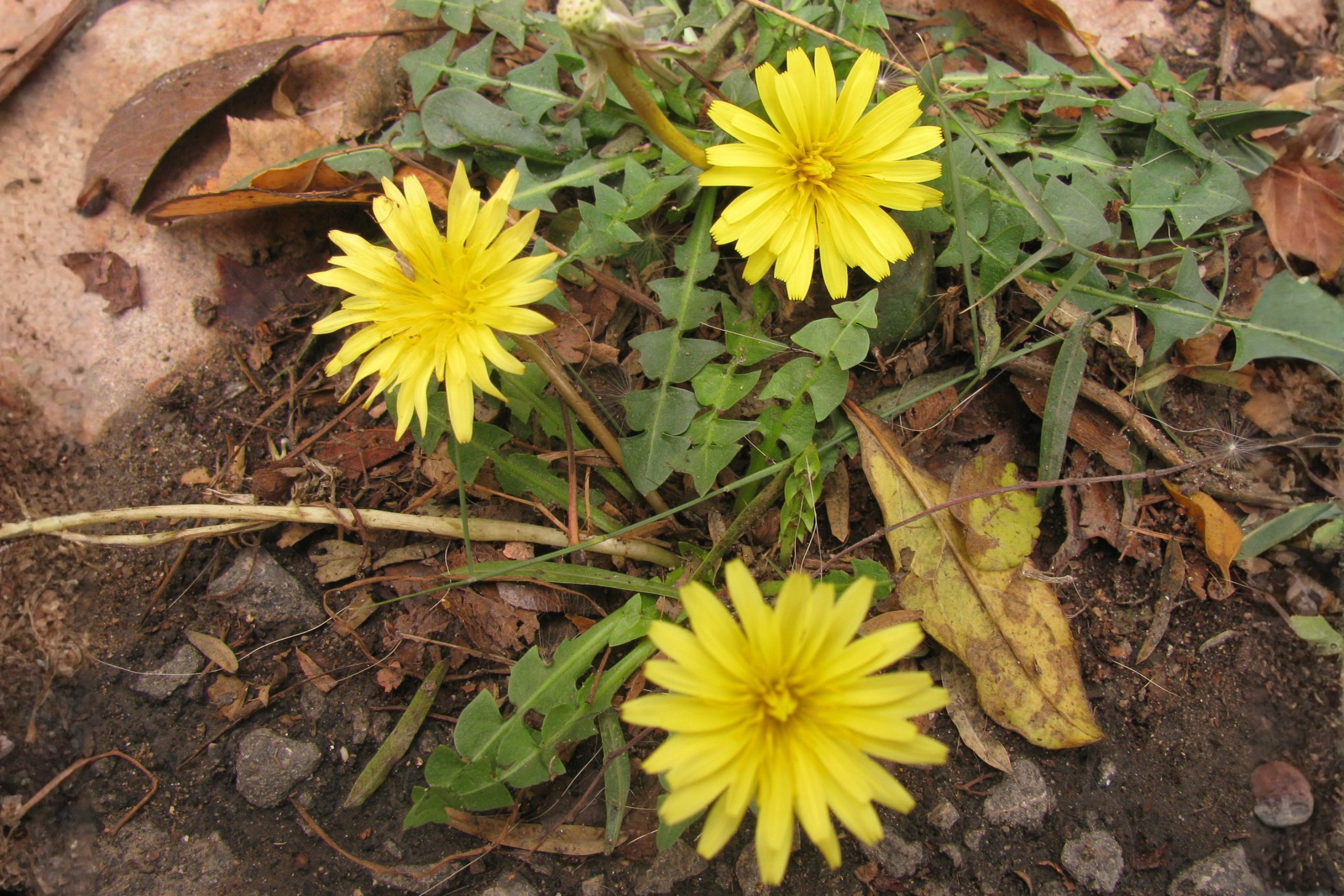
The Cyprus dandelion, or Taraxacum cyprium, is a wild flowering plant that’s part of the vast dandelion family. It’s like the familiar backyard weeds we all know, with yellow blooms that turn into fluffy seed balls, but this one has a special Cypriot twist. Locally called “Πικραλίδα” (pikralida), meaning “bitter one,” it gets its name from the sharp, tangy taste of its leaves—a flavor that’s been both a delight and a medicine for locals.
A Story Rooted in Cyprus’s Ancient Soils
Dandelions have dotted the Mediterranean landscape for millions of years, evolving as the island of Cyprus rose from ancient seas through volcanic and tectonic shifts. Taraxacum cyprium was first described in 1931 by Finnish botanist Harald Lindberg, but its genus name comes from Greek words for “disorder remedy,” hinting at how ancient healers in Cyprus and beyond used similar plants for everything from tummy aches to skin woes. It’s a living link to the island’s wild past, adapting over eons to the warm, varied terrains.
Imagining a Plant with Lion’s Teeth and Golden Crowns
This sturdy herb grows 10-30 cm tall, starting with a cluster of green leaves that are deeply cut and toothed, resembling a lion’s fierce grin—which is why dandelions are called “dent de lion” in French. Its bright yellow flower heads, about 2-4 cm wide, sit on slim stems, made up of many tiny petals that close at night. Below ground, a thick taproot digs deep for water, and after blooming, it forms those magical white puffs that carry seeds on the wind.
Bet You Didn’t Know These Dandy Delights!
The Cyprus dandelion’s root can plunge up to 30 cm deep, making it a “big-root” champ that survives dry spells like a pro. Bees flock to its early nectar, turning fields into buzzing parties, and in old Cypriot tales, its bitter leaves were munched as a wild salad packed with vitamins. Fun fact: every part is edible, but that tang can surprise you ancient folks even roasted the roots as a coffee substitute!
Peeling Back the Layers: From Family Ties to Spotting Tips
As part of the huge Asteraceae family home to sunflowers and daisies the Taraxacum genus has over 60 main species worldwide, with hundreds of variations through seed-making without pollination, keeping traits steady in spots like Cyprus. Loaded with antioxidants and anti-inflammatory goodies like flavonoids, it’s been studied for helping with digestion and even coughs.

To spot it among other dandelions, look for its larger, fleshier roots, hairless stems, and leaves with broader lobes unlike the fuzzier common dandelion (Taraxacum officinale), which has hairier scapes and blooms year-round. Check the habitat too: this one prefers Cyprus’s northern and western areas up to 1,375 meters, avoiding the south and east.
Still Sprouting in Today’s Cypriot World
In modern Cyprus, the dandelion fits right into local life, popping up in herbal teas and salads as folks rediscover natural remedies amid wellness trends. It’s a symbol of the island’s rich plant diversity, protected in conservation areas to guard against invasive cousins that might mix genes. With climate changes, it reminds us of nature’s toughness, blending old herbal wisdom with today’s eco-friendly living.
Ready to Hunt for This Wild Wonder?
You can find the Cyprus dandelion in grassy fields, roadsides, and mountain paths across northern and western Cyprus, blooming from September to November for a cozy autumn sight. Wandering these spots feels refreshing—soft breezes, earthy scents, and the simple joy of spotting yellow dots amid the green, like a gentle treasure hunt that connects you to the island’s untamed beauty.
Why This Everyday Bloom Captures Cyprus’s Natural Spirit
The Cyprus dandelion shows how even simple plants weave into Cyprus’s story of resilient wildlife and ancient healing, enriching the Mediterranean’s floral tapestry. Knowing about it opens our eyes to the island’s hidden treasures, inspiring us to cherish these quiet wonders that make Cyprus a place of endless natural delight.