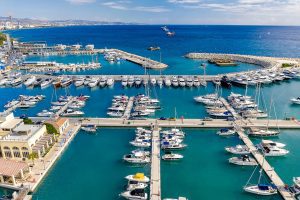
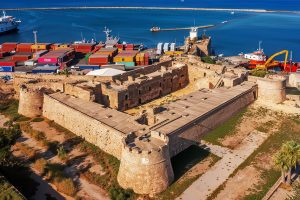
Cyprus waterfront streets stand as living examples of Mediterranean coastal architecture. These narrow lanes wind between stone homes and harbors where fishing boats bob in the water. The combination creates a picture that has defined Cypriot coastal life for centuries. The architecture reflects practical needs adapted over generations, with thick stone walls built to withstand salt air and coastal weather.
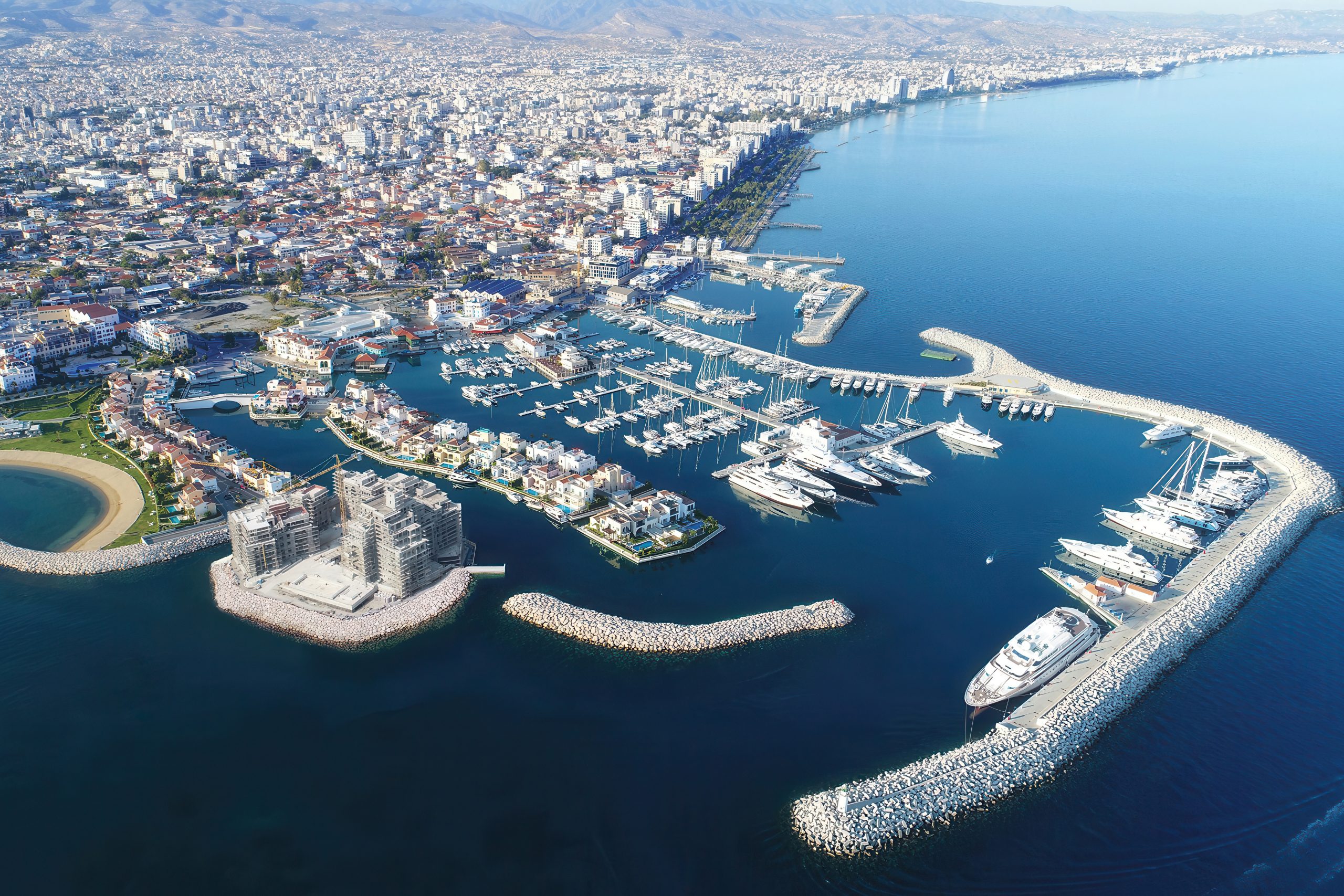
Fishermen positioned their homes steps from the water, creating communities where daily life revolved around the sea. Today these streets preserve traditional building methods and materials while continuing to function as active neighborhoods. The stone structures, colorful boats, and winding pathways offer a direct connection to Cyprus’s maritime heritage.
Waterfront Architecture in Cyprus
The relationship between Cyprus and the sea dates back thousands of years. Ancient ports like Paphos served as vital trade centers connecting the Mediterranean world. By the Bronze Age, Cypriot coastal settlements had already established sophisticated harbor systems. The Romans later expanded these facilities, recognizing the strategic importance of Cyprus as a maritime hub between Europe, Asia, and Africa.
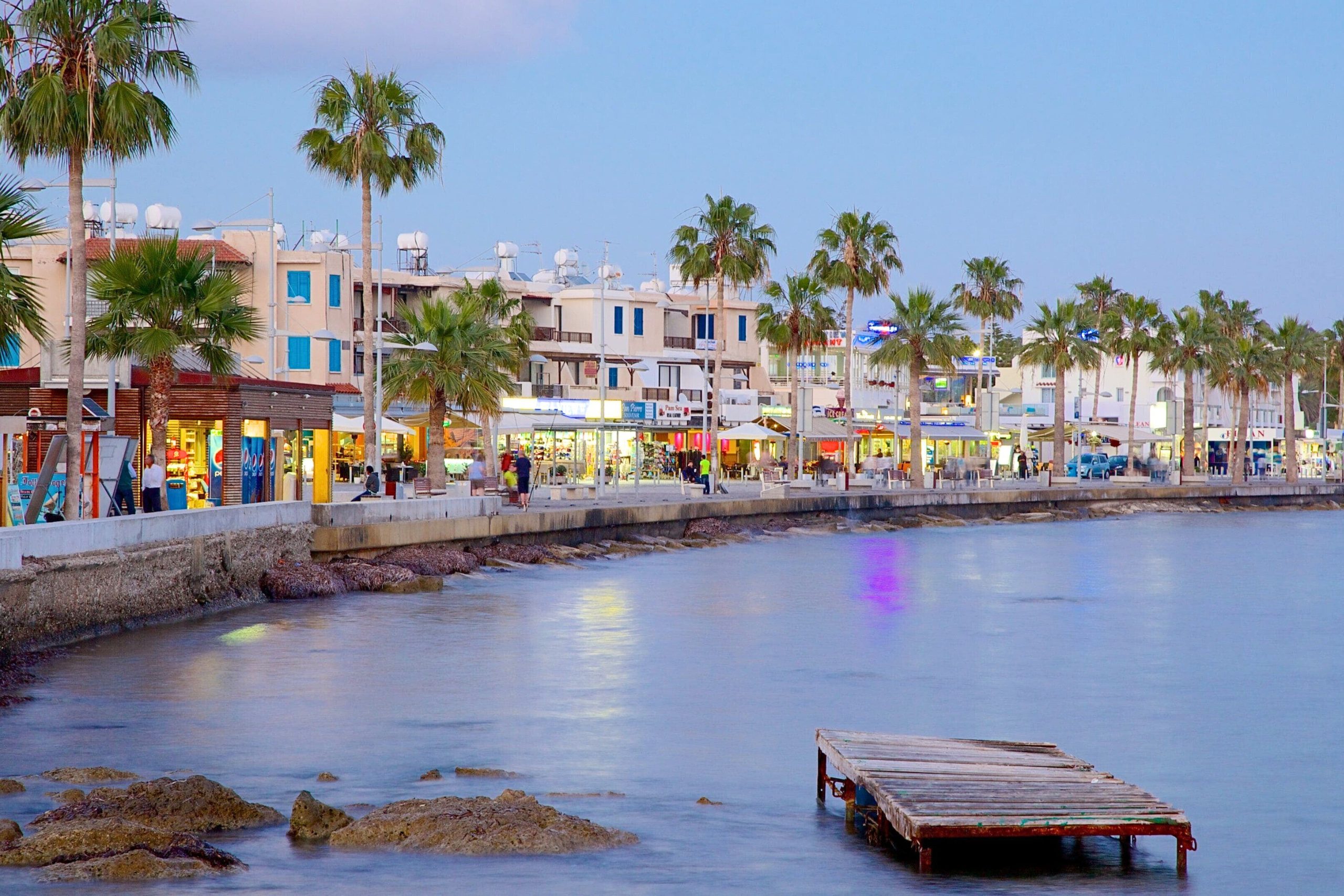
Traditional waterfront architecture developed from practical necessity. Fishermen built their homes close to harbors where they moored their boats. Stone became the material of choice, quarried from the island’s abundant limestone deposits. These structures were designed to withstand salt air and coastal weather. The proximity of homes to the water meant that families could monitor weather conditions, prepare for fishing expeditions, and quickly respond to arriving ships.
What Makes These Streets Distinctive
Stone-built houses line the waterfront streets in villages across Cyprus. Walls are typically thick, constructed from local limestone, sandstone, or granite. Small windows face the sea to let in light while protecting against wind and heat. Wooden shutters painted in blue or green add color to the neutral stone facades. Red clay tiles cover the roofs.
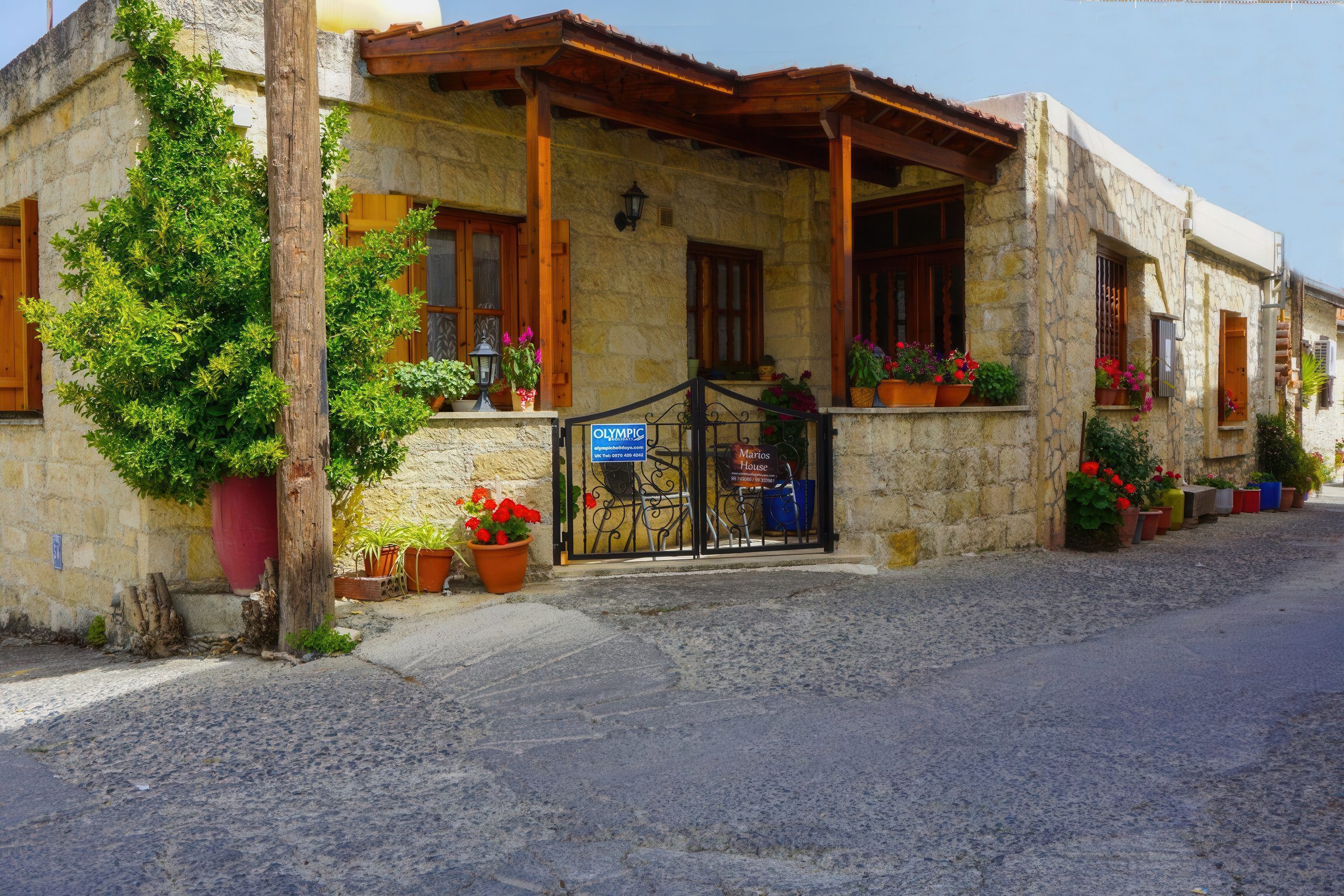
The streets themselves are narrow and often cobbled. They wind between buildings in organic patterns that follow the coastline rather than straight grids. Many remain pedestrian-only or too narrow for modern vehicles. Stone paving has survived centuries of use in places like Fikardou and Lefkara, which preserve their traditional character.
Fishing boats of all sizes and colors create the visual contrast that defines these areas. Traditional wooden vessels painted in bright blues, reds, and yellows float alongside modern fiberglass boats. The boats are often moored directly at the edge of the street, separated only by a low stone wall or simple quay. This arrangement puts residents within steps of the water.
Surprising Details of Coastal Living
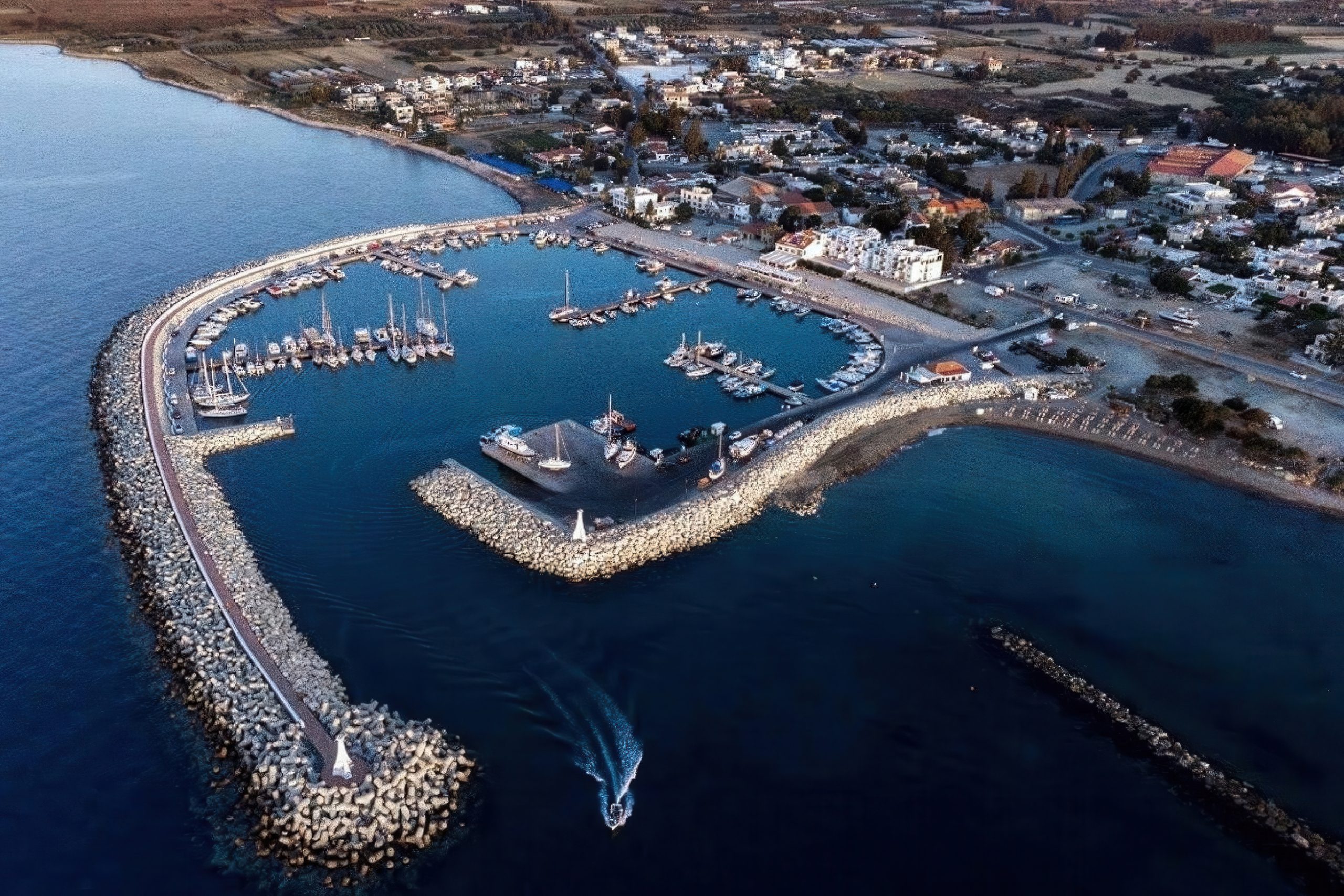
Cyprus has 16 active fishing shelters and small harbors spread across the island. Zygi, one of the most famous fishing villages, originally served as a weighing center for carob bean exporters. The name Zygi comes from the Greek word for weighing scale.
Traditional waterfront homes had rooms with specific purposes and no wasted space. The dikhoro served as the main living room, often consisting of double rooms separated by an arch. The makrinari functioned as the dining room. Unlike modern construction, these houses included only the space families needed.
Stone walls in traditional homes can be up to one meter thick. This provides natural insulation, keeping interiors cool during summer and warm in winter. The construction method uses stone blocks split and adjusted to rectangular shapes, then fitted together without modern mortar in the oldest examples.
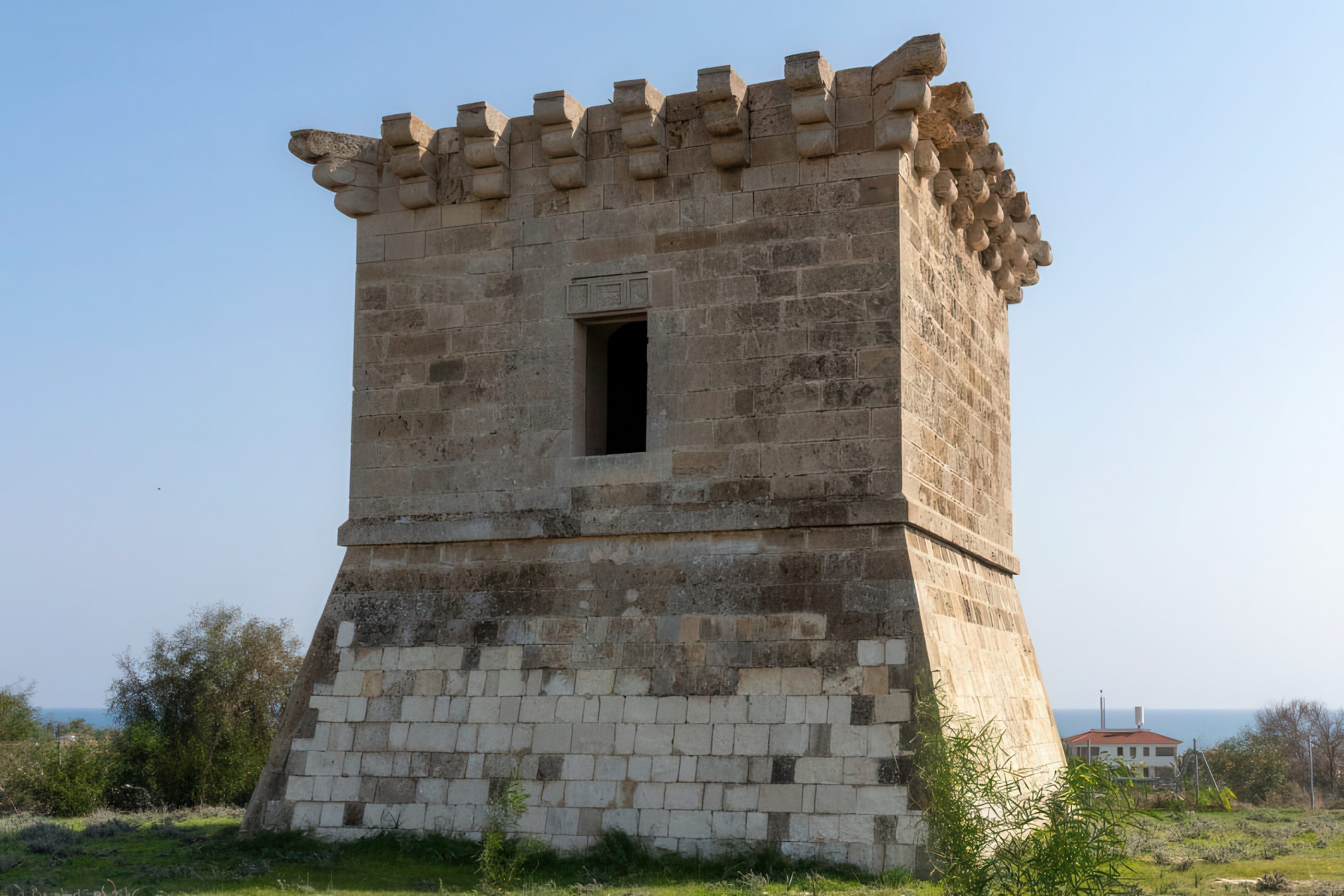
Venetian watchtowers still stand in coastal villages like Pervolia. These formed an early warning system against naval attacks. The towers allowed villagers to spot approaching ships and signal to neighboring communities.
Many coastal villages celebrate annual festivals honoring patron saints. Zygi holds a festival for Saint Ayios Eracledios, whose church sits on the village outskirts. These celebrations often include fresh fish feasts served at harbor-side tavernas.
Where These Streets Live Today
Modern Cyprus maintains these waterfront areas as living communities rather than museums. Residents still inhabit many traditional stone homes, though most have been updated with electricity, plumbing, and modern kitchens. The stone exteriors and basic structure remain unchanged. Fishing villages like Latchi in the northwest and Pomos on the rugged coast continue to operate as working harbors. Small boats depart daily for fishing runs, returning in the afternoon with fresh catch. Tavernas along the quay serve this fish the same evening.
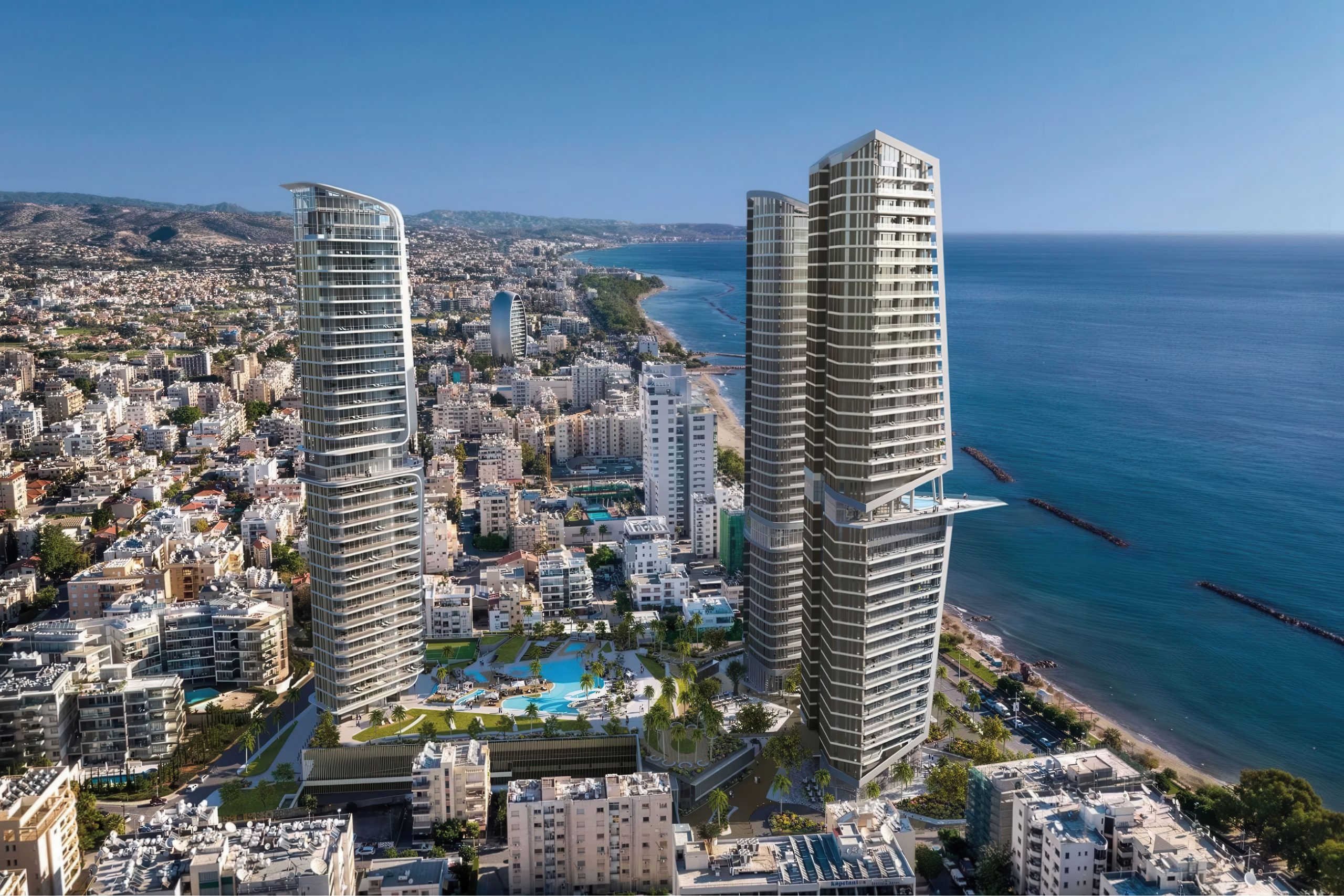
Larger coastal cities have developed distinct waterfront characters. Paphos Harbor combines ancient port facilities with modern restaurants and cafes. The medieval castle overlooks fishing boats and tour vessels.
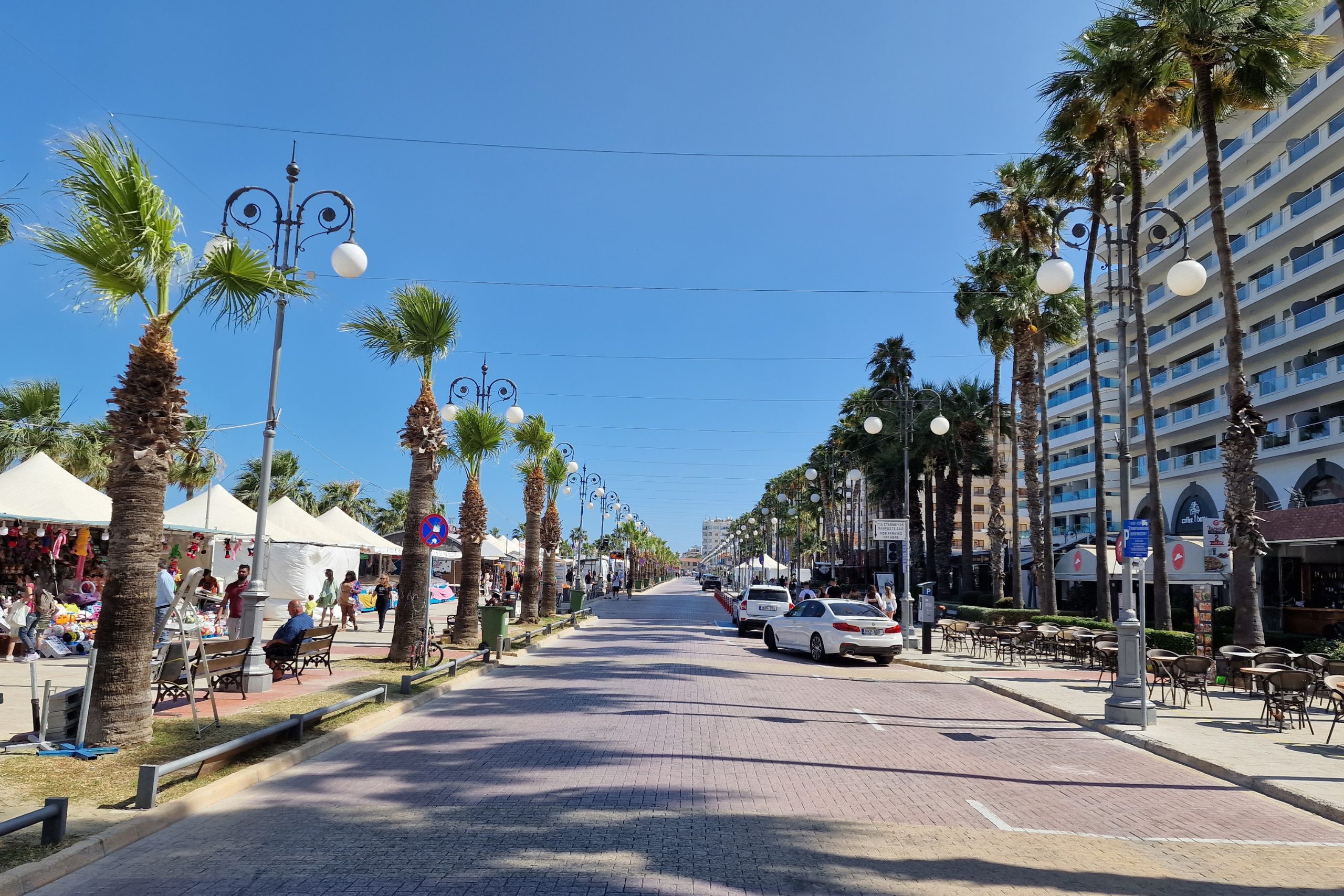
Larnaca’s Finikoudes promenade stretches along a sandy beach, backed by the historic marina where white yachts contrast with traditional fishing boats. Several villages have successfully balanced tourism with authenticity. Lefkara in the Larnaca district maintains its traditional lace-making and silverwork industries while welcoming visitors to restored stone houses converted into cafes and shops. Kakopetria in the Troodos mountains preserves its old quarter as a protected area while accommodating hotels and restaurants.
Coastal Harbors as Culinary Destinations
Many coastal harbors in the region offer fresh seafood directly from local fishermen, making them a destination for food enthusiasts. Restaurants near these harbors often specialize in dishes featuring the day’s catch. Popular options include grilled octopus, sea bream, and calamari. Visitors can also explore small fish markets located near the docks, selling fresh fish, prawns, and other seafood. These markets provide insight into the local fishing economy and are perfect for those looking to prepare a meal with authentic ingredients.
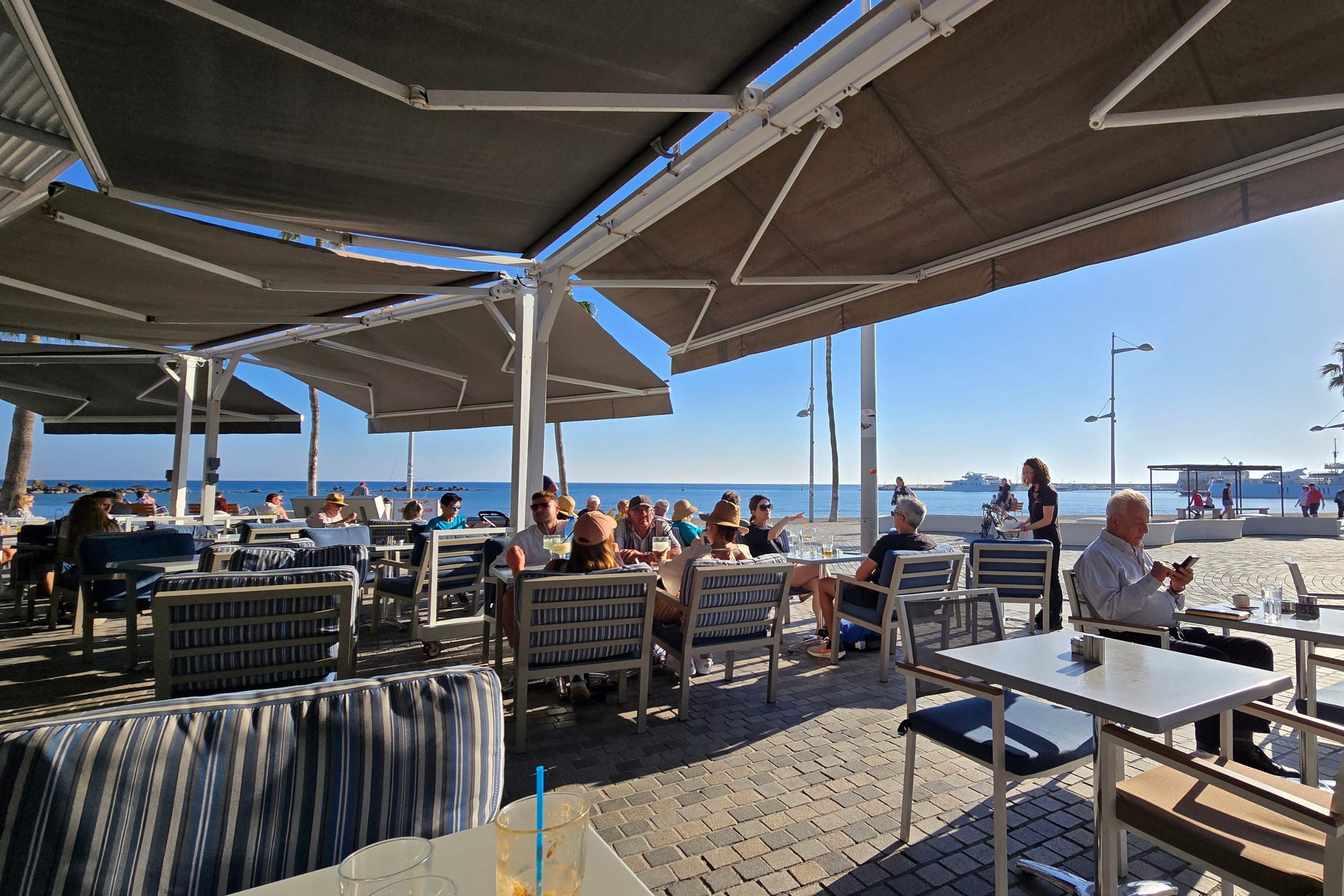
Additionally, some harbors host annual food festivals where visitors can sample a variety of traditional seafood dishes while learning about the region’s fishing traditions. Combining fresh ingredients and centuries-old recipes, these culinary experiences highlight the importance of the sea to local culture and cuisine. Guests can enjoy meals with waterfront views, experiencing the harmony between food and the harbor setting.