In Cyprus, street music festivals transform ordinary streets, squares, and promenades into shared cultural spaces where sound is free, public, and woven into daily movement. Unlike formal concerts held behind walls and tickets, these events unfold directly within the urban fabric, allowing residents and visitors to encounter music while walking, gathering, or simply passing through. The city does not just host the festival. It becomes the festival.
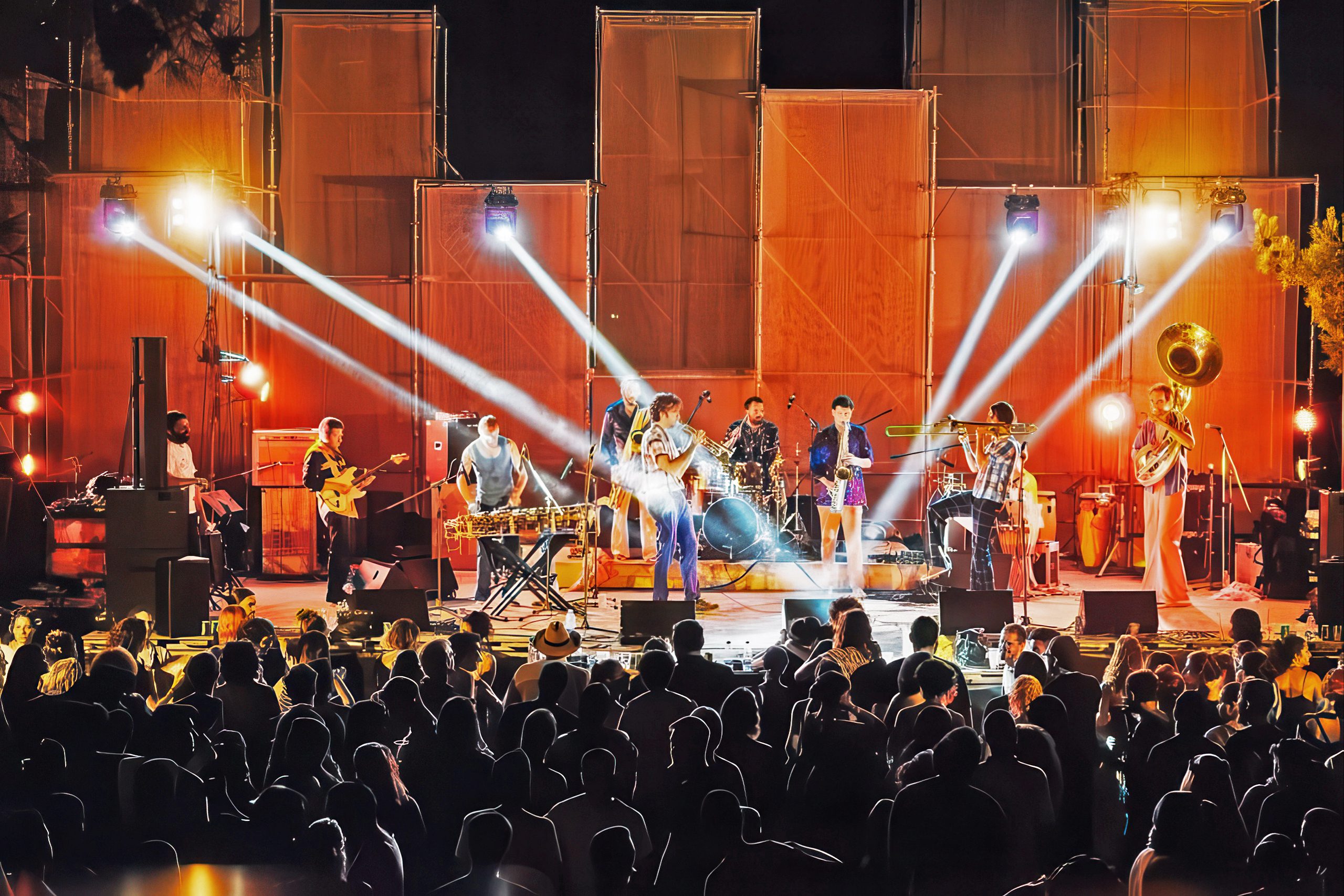
What makes these festivals distinctive is not only the music, but the way they blur boundaries. Performers and audiences share the same ground. Music spills into cafés, markets, and waterfronts. The street, normally shaped by commerce and traffic, becomes a temporary stage for collective experience.
- Why the Street Matters in Cyprus
- Nicosia: Sound in a Divided Capital
- Limassol: Carnival, Satire, and the Public Voice
- Larnaca: The Promenade as a Gathering Place
- How Street Music Sounds in Cyprus
- Access, Inclusion, and Social Life
- Timing and Rhythm
- What It Feels Like to Be There
- Why Street Music Still Matters in Cyprus
Why the Street Matters in Cyprus
In Cyprus, the street has always been more than a route from one place to another. Narrow Venetian alleys, seaside promenades, and village squares have long served as social meeting points. Street music festivals build on this tradition by temporarily suspending the usual rules of movement, commerce, and noise, allowing sound to reshape how public space is used.
What distinguishes these festivals is accessibility. There are no tickets, no fixed seating, and no formal boundary between performer and audience. Music becomes something encountered rather than sought out. This openness allows people of different ages, backgrounds, and income levels to share the same experience without planning or permission.
Nicosia: Sound in a Divided Capital
Street music in Nicosia carries a particular weight because of the city’s political and physical division. Within the historic Venetian walls, areas such as Ledra Street and surrounding squares frequently host street performances that turn everyday commercial spaces into places of pause and interaction.
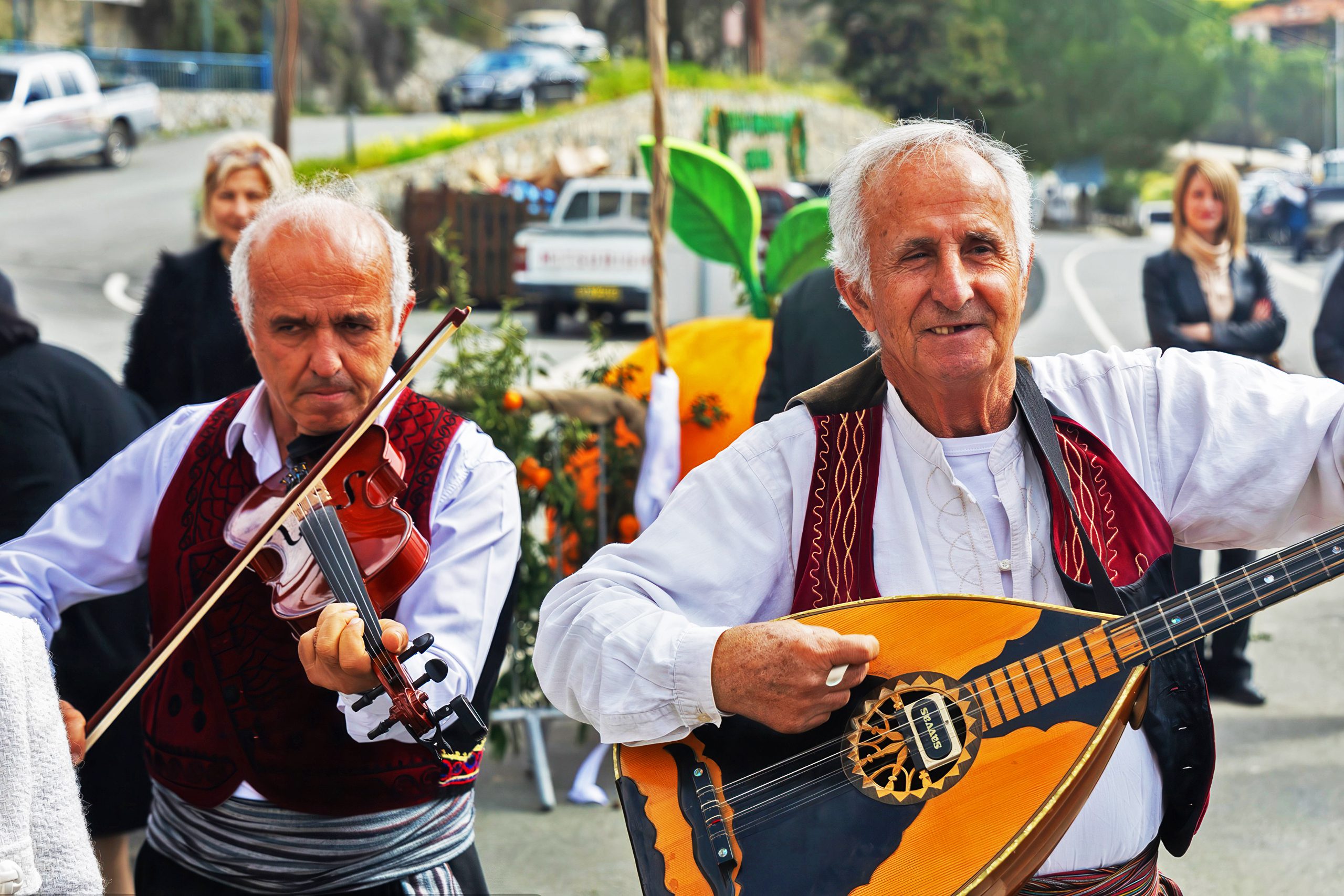
In this context, music often carries symbolic meaning. Performances near the Buffer Zone are not staged as overt political statements, yet they quietly challenge separation by drawing people together in shared listening. Collaborative projects that include musicians from different communities use sound to soften borders that remain rigid on maps.
Genres in Nicosia tend to lean toward jazz, experimental fusion, and contemporary styles. Improvisation fits the city’s character, allowing performers to respond to surrounding architecture, passing crowds, and shifting acoustics. Here, the city itself becomes part of the performance.
Limassol: Carnival, Satire, and the Public Voice
Limassol’s street music culture is louder, more theatrical, and deeply tied to celebration. As a port city with a long history of public festivity, Limassol treats the street as a space for collective expression rather than quiet reflection.
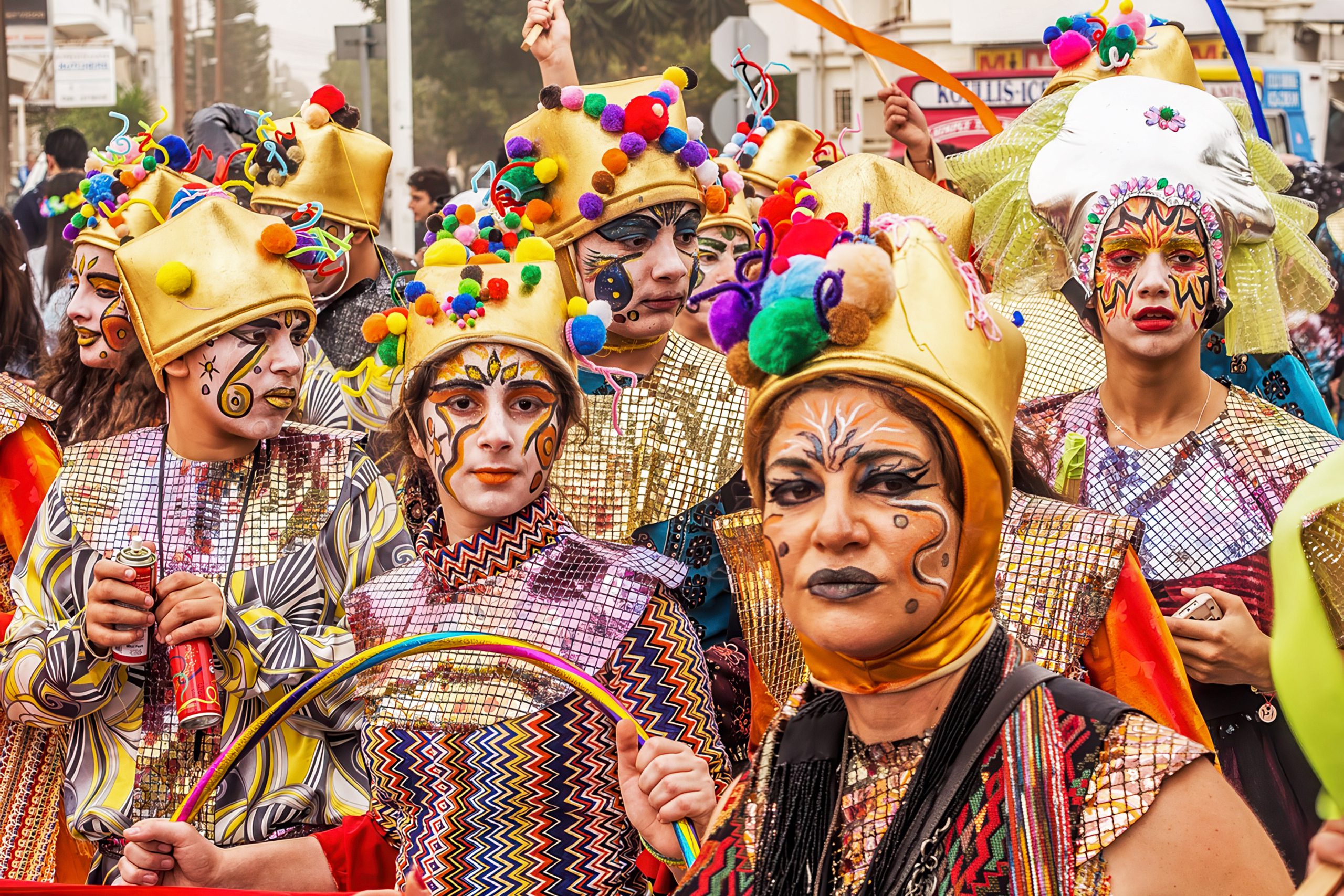
The clearest example is the Limassol Carnival, a large-scale event rooted in Venetian-era traditions. During Carnival, music fills the Old Town streets through roaming serenade singers, brass bands, and satirical performances that comment on social and political life. The audience is not passive. Singing, dancing, and playful participation are expected.
Beyond Carnival, Limassol’s waterfront and former industrial areas host contemporary street-oriented festivals that blend music with visual art and social commentary. These events reflect the city’s rapid development and changing identity, using music to engage with questions of urban transformation rather than avoiding them.
Larnaca: The Promenade as a Gathering Place
In Larnaca, street music is inseparable from the sea. The palm-lined Finikoudes promenade becomes a long, open stage during major festivals, particularly Kataklysmos, the Festival of the Flood.
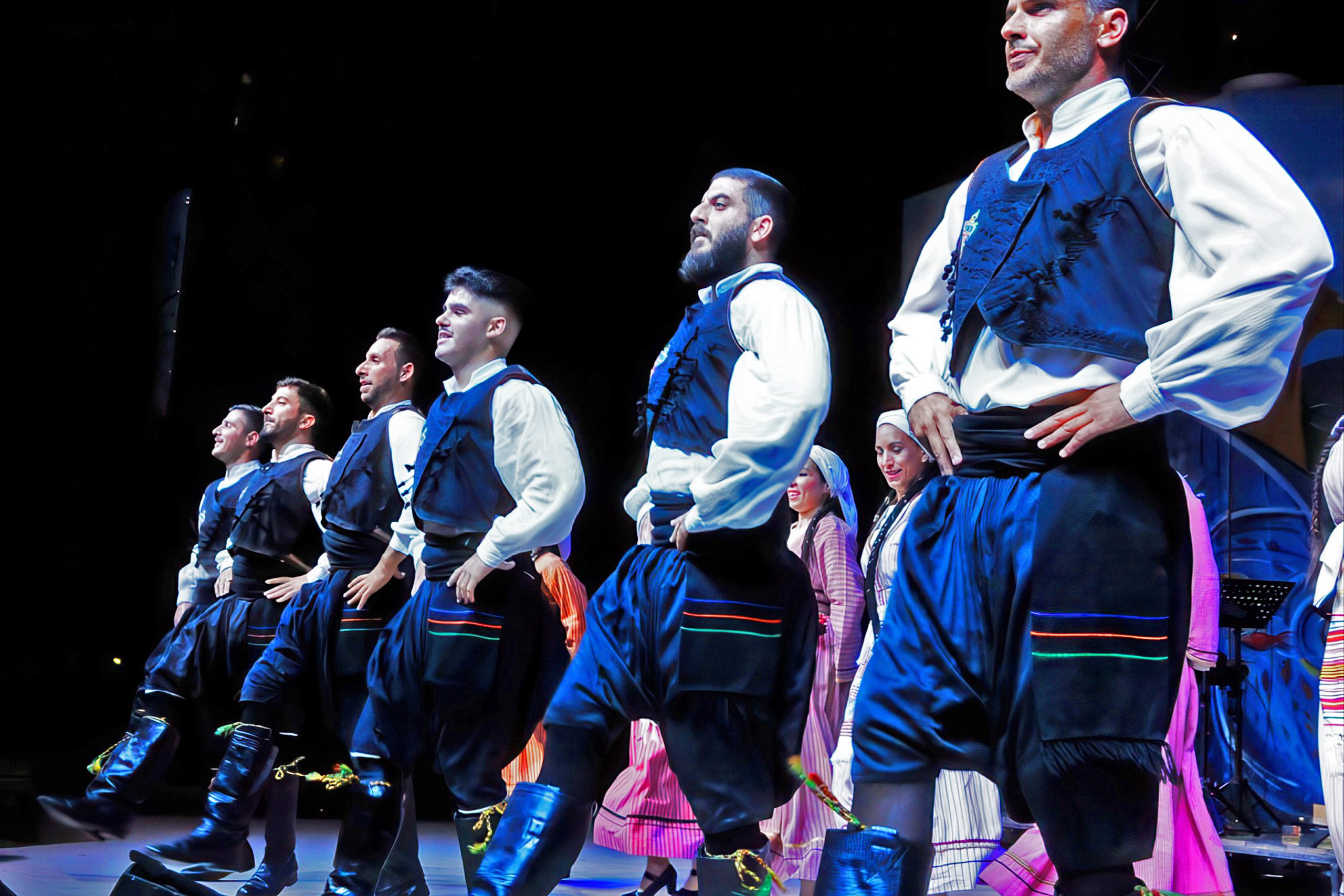
Kataklysmos combines ancient water rituals with Christian tradition and modern entertainment. For several weeks, traffic is removed from the seafront, allowing music, dance, and communal gatherings to take over the entire space. Families sit close to the water, food stalls line the promenade, and live music blends with the sound of the sea.
The atmosphere here is informal and communal rather than curated. Performers and audiences mix freely, and music functions as part of a broader social ritual rather than a standalone event.
How Street Music Sounds in Cyprus
The musical character of Cyprus’s street festivals is shaped by hybridity. Traditional Cypriot melodies coexist with jazz, electronic music, hip hop, and Mediterranean fusion. This is not a deliberate attempt to modernise tradition, but a natural reflection of the island’s position between cultures.
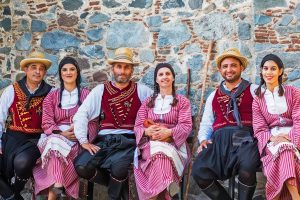
Traditional instruments such as the bouzouki, oud, santouri, and shepherd’s flute often appear alongside modern setups. Folk dances emerge spontaneously in response to rhythm, and performers adapt their sets to the energy of the crowd rather than following fixed programmes.
This flexibility allows street music to feel alive and responsive rather than staged. It changes with the crowd, the evening, and the city itself.
Access, Inclusion, and Social Life
One of the most important roles of street music festivals in Cyprus is social inclusion. Because performances are free and public, they offer a platform for young artists, migrant musicians, and informal collectives who may not have access to formal venues.
For many participants, street festivals are a first point of contact with live performance, whether as listeners or performers. Music becomes a shared language that lowers barriers and encourages interaction between people who might not otherwise meet.
This openness also explains why street festivals remain resilient. They do not depend on large infrastructure or international promotion. They rely on people, place, and moment.
Timing and Rhythm
Street music festivals in Cyprus follow the rhythm of the climate and daily life. Most events take place between late spring and early autumn, when evenings are warm and outdoor gatherings are comfortable.
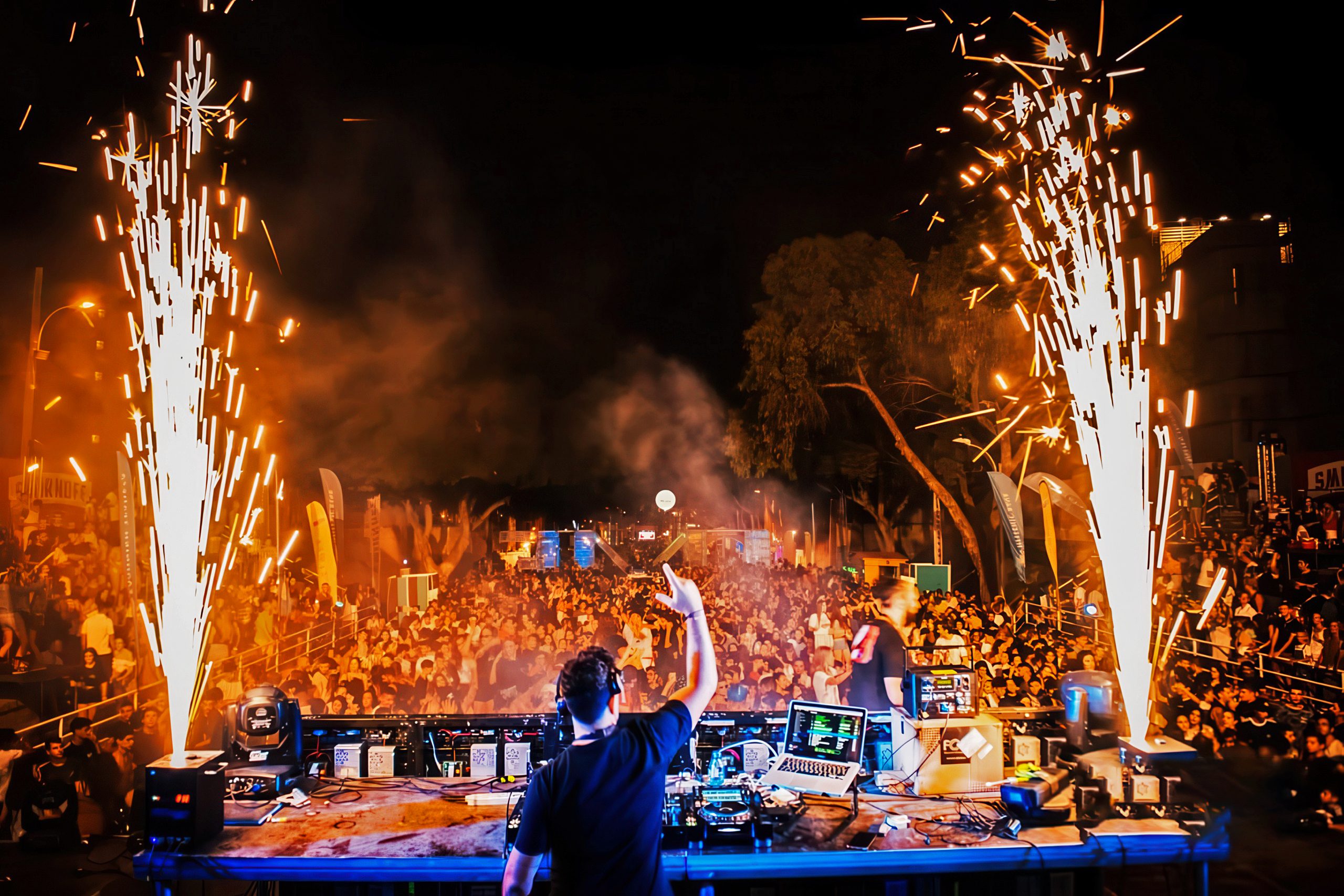
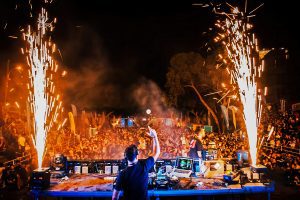
Performances typically begin after sunset, allowing music to unfold gradually as the city cools and crowds grow. Daytime activities tend to be family-oriented, while evenings bring more energetic performances. This transition mirrors the Mediterranean habit of social life intensifying after dark.
What It Feels Like to Be There
Experiencing a street music festival in Cyprus feels informal, social, and slightly unpredictable. There may be no clear start or end, no obvious main stage, and no expectation that you stay for the entire performance.
You might stop for a few minutes, stay longer than planned, move on, and return later. Music blends with conversation, movement, food, and night air. This fluidity is not a flaw. It is the essence of the street.
Why Street Music Still Matters in Cyprus
Street music festivals matter because they show culture in its most immediate form. They do not ask for commitment or expertise. They invite presence.
In a country shaped by history, division, and rapid change, these festivals reclaim public space as something shared rather than controlled. Sound becomes a way of inhabiting the city together, even briefly.
Rather than preserving culture behind glass or on stage, street music in Cyprus allows it to breathe, adapt, and remain part of daily life. That simplicity is precisely what gives it lasting strength.