Tucked away in the rugged hills and mountains of Cyprus, two special plants — Euphorbia veneris and Euphorbia lemesiana — bring subtle beauty to rocky spots. These endemic spurges, found nowhere else, whisper stories of ancient gods and recent discoveries. But what makes them thrive in such harsh places, and why are they like hidden treasures waiting to be found?
- What Are These Tough Little Island Natives?
- How Did These Plants Spring from Cyprus's Mythical and Fiery Past?
- Picture This: Resilient Shrubs with Sneaky Sap and Subtle Blooms
- Bet You Didn't Know These Goddess-Level Surprises!
- Digging Deeper: Island Adaptations and Family Ties
- Why These Ancient Plants Still Bloom in Modern Cyprus
- Fancy a Mountain Trek? Here's Where to Spot Them!
- Why These Humble Spurges Hold Cyprus's Wild Magic
What Are These Tough Little Island Natives?
Euphorbia veneris and Euphorbia lemesiana are both small, wild plants from the spurge family, a group known for their milky sap and simple flowers. They’re perennials that come back each year, perfectly adapted to Cyprus’s dry, sunny landscapes, adding quiet charm to the island’s wild corners.
How Did These Plants Spring from Cyprus’s Mythical and Fiery Past?
The Euphorbia genus gets its name from Euphorbus, an ancient Greek doctor around 12 BC, whose name meant “well-fed” — a funny twist since these plants are toxic. Euphorbia veneris honors Venus (Aphrodite), the goddess born from Cyprus’s seas, linking it to the island’s mythical roots. Described in 1963, it’s a nod to Cyprus’s geological history from ancient ocean floors pushed up by tectonic forces. Euphorbia lemesiana, named after Limassol (Lemesos), was discovered more recently in 2015 as part of the Eastern Mediterranean spurge group, evolving in isolation amid the island’s volcanic past.
Picture This: Resilient Shrubs with Sneaky Sap and Subtle Blooms
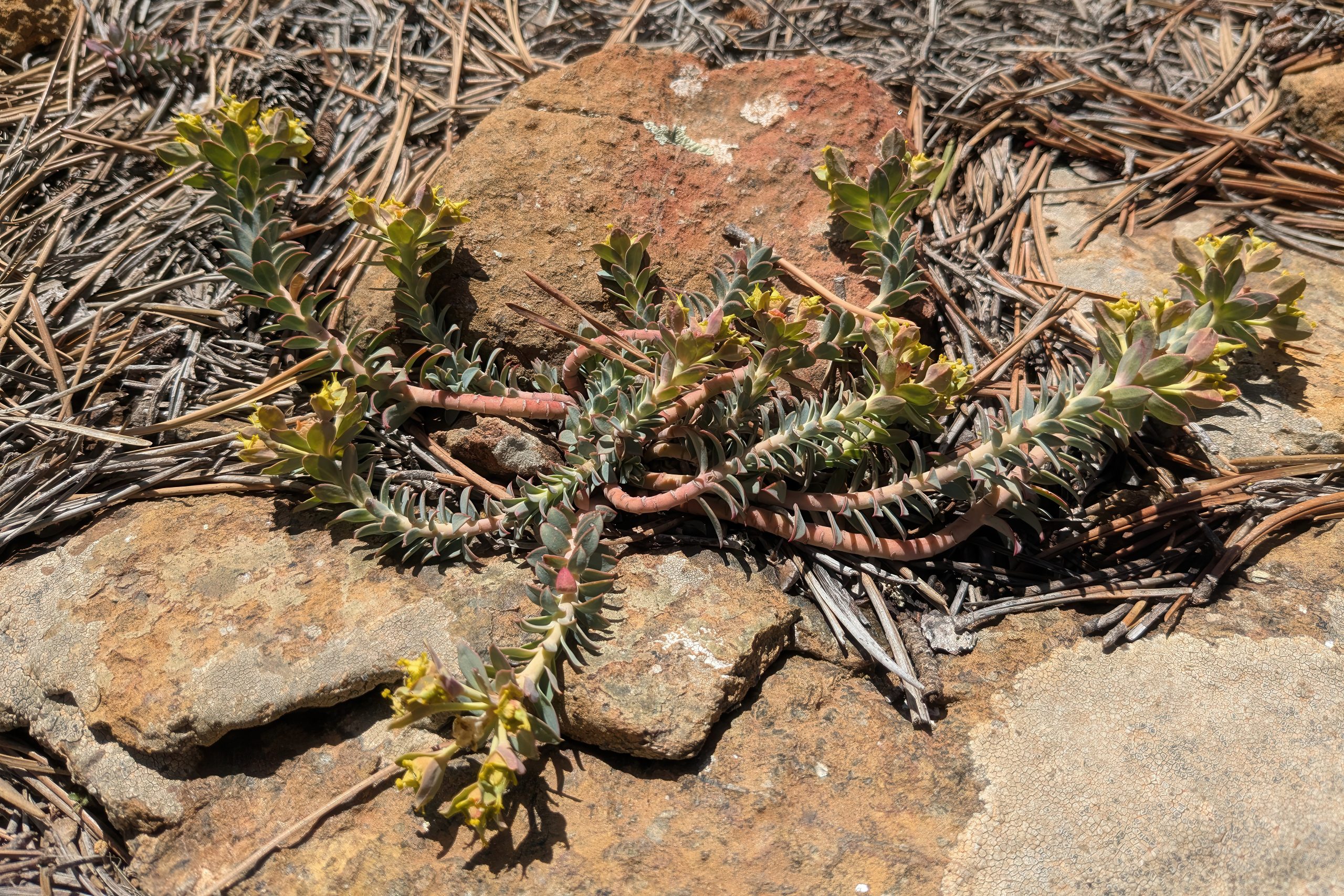
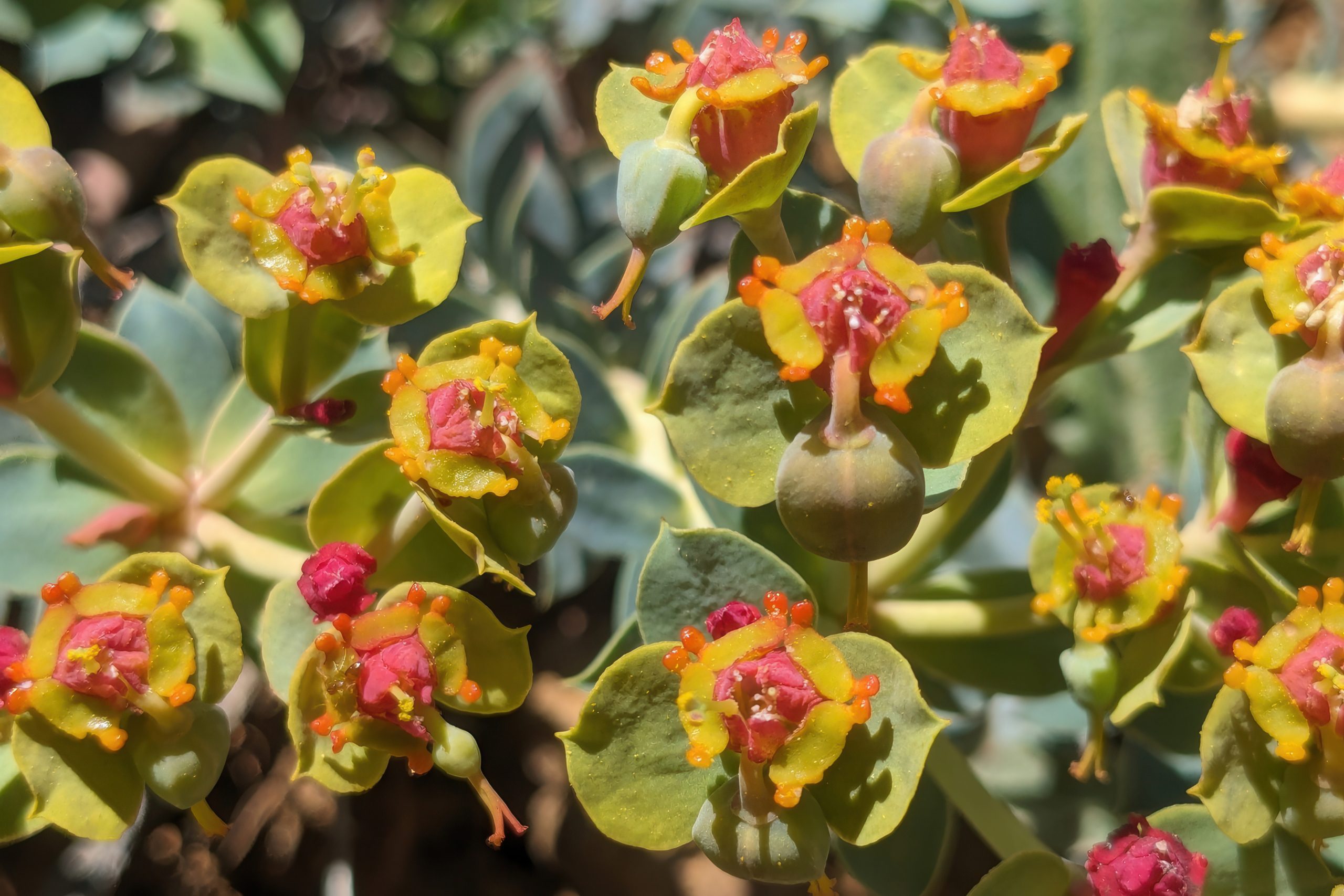
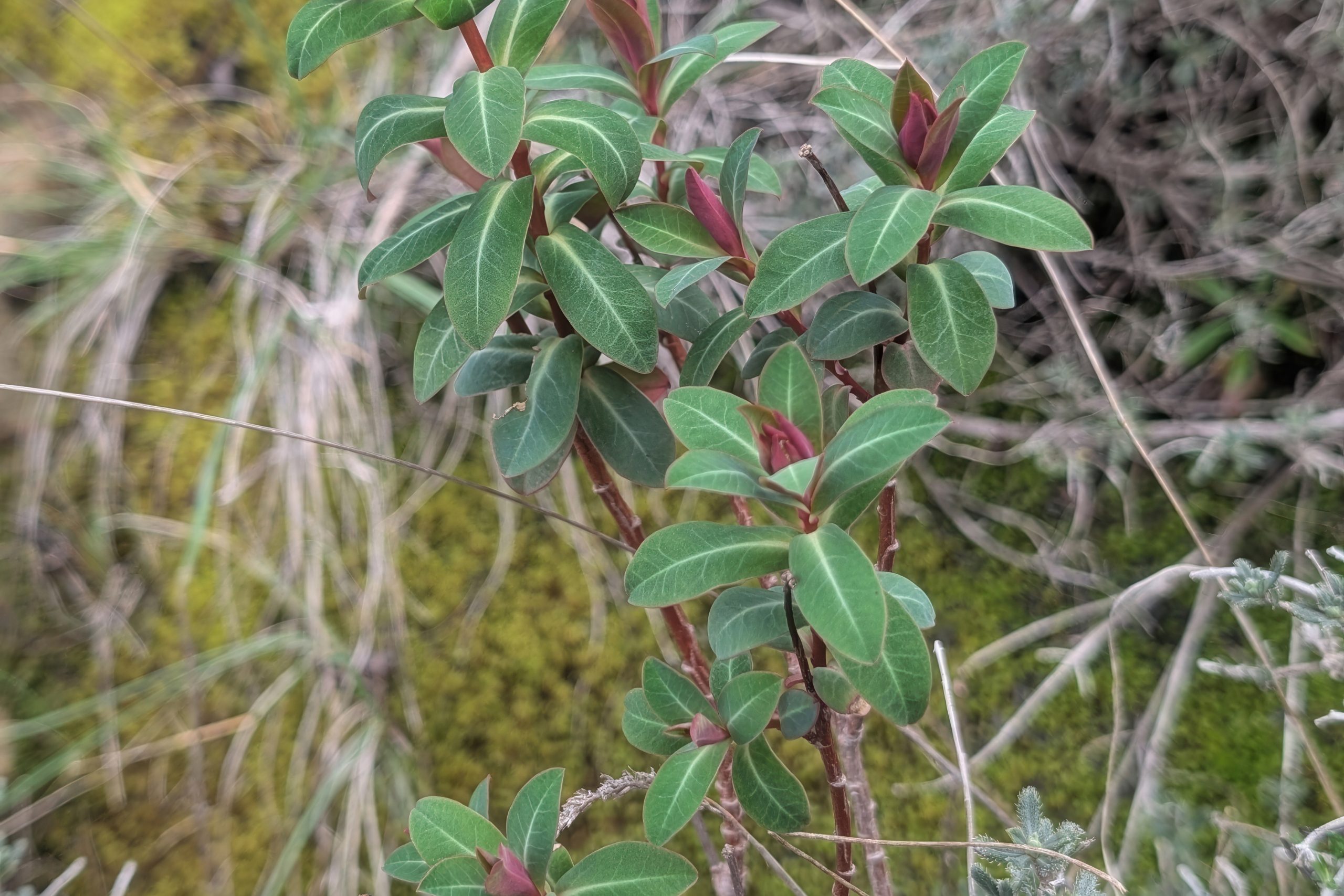
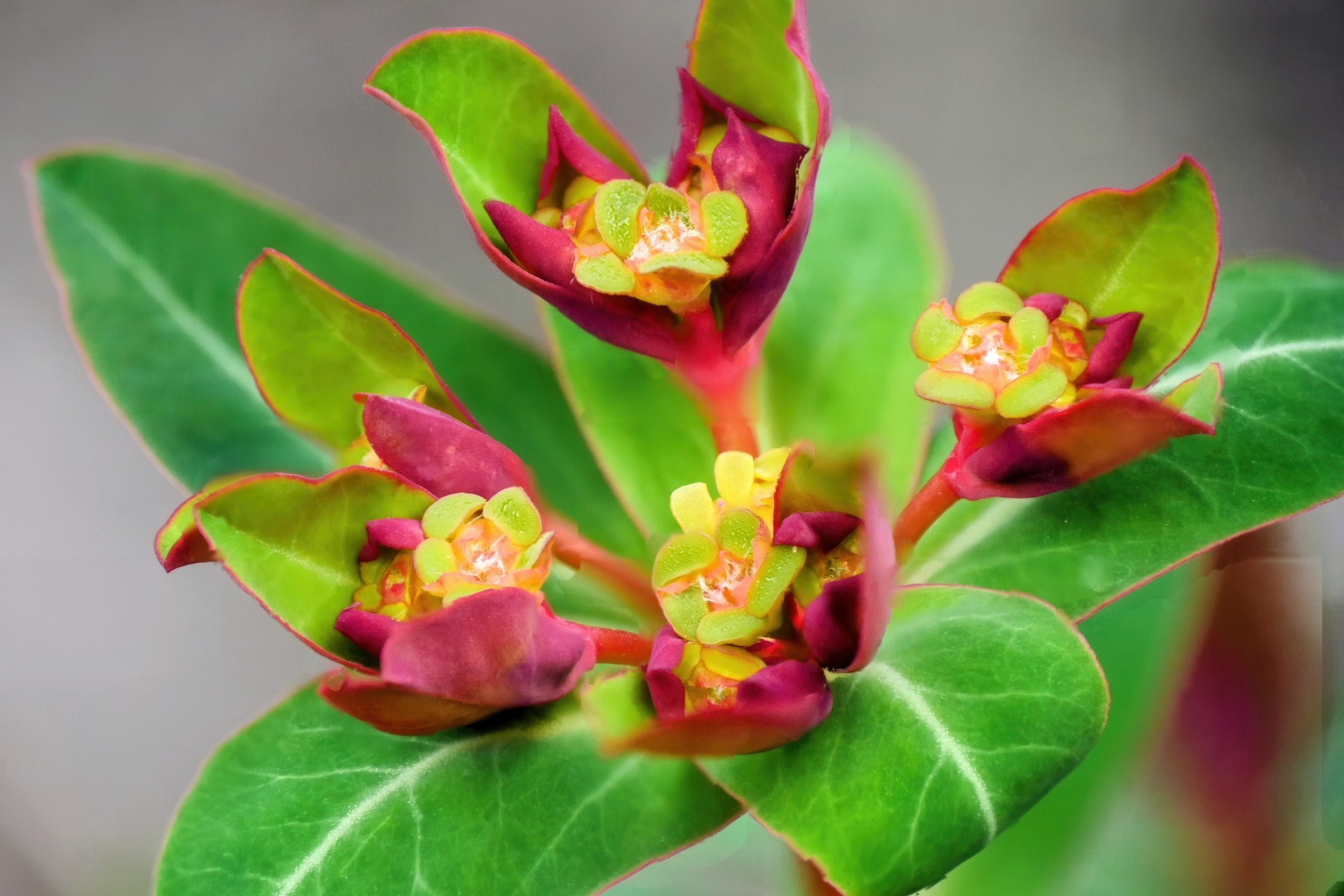
Euphorbia veneris grows 15-30 cm tall, like a low bush with thick, fleshy stems and bluish-green lance-shaped leaves. Its tiny greenish-yellow flowers cluster in cups, turning reddish as they age, all while hiding irritant milky sap. Euphorbia lemesiana is a dendroid shrub or perennial herb, reaching similar heights with succulent stems and rounded, green leaves. Its flowers are also small and clustered, often in vibrant yellow-green hues, adapted to rocky, dry soils.
Bet You Didn’t Know These Goddess-Level Surprises!
Euphorbia veneris can survive snowy mountain winters, popping up fresh in spring like a tough cookie. Its sap was once eyed by ancient healers for remedies, but handle with care — it can cause rashes! Euphorbia lemesiana, a “newbie” discovered in 2015, is part of a shrub group that popped up multiple times in evolution, like nature remixing its favorites. Both plants’ sap deters hungry animals, turning them into natural survivors in Cyprus’s wild spots.
Digging Deeper: Island Adaptations and Family Ties
These spurges store water in their succulent parts, ideal for Cyprus’s arid climates at altitudes from 700-1,700 meters for veneris and similar rocky habitats for lemesiana. They bloom from late winter to summer, with veneris on exposed slopes and lemesiana in the Eastern Mediterranean style, sharing traits like capsule fruits that burst to spread seeds. Both belong to a huge genus with over 2,000 species, but these two evolved uniquely on Cyprus, highlighting the island’s role as a biodiversity cradle.
Why These Ancient Plants Still Bloom in Modern Cyprus
Today, Euphorbia veneris and lemesiana symbolize Cyprus’s unique flora, protected as endangered endemics in national parks amid climate worries. They’re studied for conservation, showing how isolated islands foster rare life, and they inspire gardeners for their hardy beauty. In Cypriot culture, they connect to the island’s heritage, blending myths with eco-tourism to keep nature’s stories alive.
Fancy a Mountain Trek? Here’s Where to Spot Them!
Head to the Troodos Mountains for Euphorbia veneris on dry slopes and roadsides, or seek lemesiana in similar central and western rocky areas. Hikes around Mount Olympus from February to June offer crisp air, stunning views, and the quiet joy of spotting their subtle blooms amid stones — it’s a peaceful, invigorating way to feel connected to Cyprus’s untamed side, but watch for the sap and stick to paths.
Why These Humble Spurges Hold Cyprus’s Wild Magic
Euphorbia veneris and lemesiana remind us of Cyprus’s enchanting mix of myths, geology, and resilient life, where even small plants tell big tales. They’re worth knowing as they showcase the island’s special biodiversity, inspiring us to protect these quiet wonders that make Cyprus a true Mediterranean marvel.