Explore Cyprus with Our Interactive Map

Explore our top stories and discover ideas worth your time.

After Dark Cyprus Electronic Music Youth Culture

After Dark Cyprus Electronic Music Youth Culture

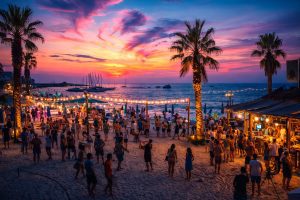
Cyprus is often described through sunlight and antiquity, but after dark, the island tells a different story. In Limassol, Ayia Napa, and Nicosia, electronic music has become one of the clearest ways younger generations explore identity, connection, and modern life. These scenes are not just about nightlife. They are social spaces where global culture meets local rhythm, and where youth culture becomes visible in sound, movement, and shared experience. Nightlife as a Social Language At a basic level, Cyprus’s electronic nightlife exists through clubs, bars, open-air venues, and seasonal festivals. On a deeper level, it functions as a social language. Dancefloors create temporary communities where people meet without introductions, differences flatten under shared rhythm, and belonging is felt rather than declared. Electronic music fits this role well. It travels easily across borders, updates constantly, and connects directly to digital culture. For many young Cypriots and international students, nightlife becomes a space where global influences feel immediate and personal, rather than distant or abstract. From Tavern Evenings to DJ Nights For much of the twentieth century, Cypriot social life centred on homes, cafés, and tavernas, where music, conversation, and food reinforced family and community ties. That tradition never disappeared, but it began sharing space with something new as travel increased, media accelerated, and youth culture became more internationally connected. The shift…

Read more

A Sea Raised Into The Sky

A Sea Raised Into The Sky

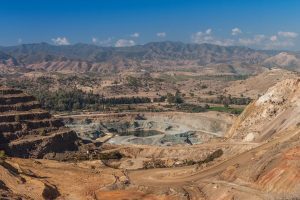
Pick up a stone almost anywhere in Cyprus and there is a fair chance it once lay two or three kilometres beneath an ocean. Stand on a Troodos peak and you are standing deeper than the deepest submarine canyon of the Mediterranean ever reaches today. Arrival Guides Walk along a riverbed in Paphos region after winter rains and you may notice greenish rocks polished smooth by water: the same minerals astronauts search for on Mars because they can form where life begins. Cyprus is not just an island with mountains. It is a place where the Earth accidentally turned itself inside out. Geologists often say walking across Cyprus is like reading a history book backwards. Instead of digging down into the planet’s past, the past has been lifted up for you. You begin your journey on younger coastal plains and finish it on the deep mantle that once had lied beneath the seabed. You are quite literally walking on a vanished ocean floor. And the strangest part? This tiny island is connected, geologically, to the “rooftop of the world” the Himalayas themselves. 1. Where we are? But also, when we are? On a map, Cyprus looks like a small island in the Eastern Mediterranean. In reality, it is a meeting point of continents, oceans, and geological time. The Troodos Mountains…

Read more
Fertility and Mother Goddess Cults in Ancient Cyprus

Fertility and Mother Goddess Cults in Ancient Cyprus

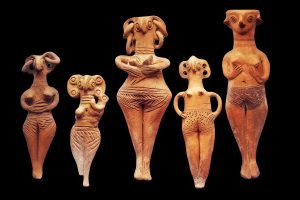
Fertility and Mother Goddess cults in ancient Cyprus were the island's earliest spiritual heartbeat, centered on a powerful female divine force that oversaw birth, growth, and the rhythms of nature. These beliefs weren't about distant deities but a hands-on reverence for life's cycles, helping early communities thrive amid uncertainty. Digging into them reveals how Cypriots turned everyday survival into something sacred, leaving us wondering just how much of that ancient wisdom still echoes today. The Roots of Cyprus's Earliest Beliefs Imagine a time when religion wasn't found in grand temples or holy books, but in the soil under your feet and the changing seasons overhead. That's where Fertility and Mother Goddess cults began in Cyprus - as a practical way for prehistoric people to make sense of a world full of risks like failed crops or harsh winters. These weren't fancy philosophies; they were born from the need to ensure life kept going. The Mother Goddess, often depicted as a nurturing female figure, symbolized the force behind everything that grew or multiplied. She wasn't a queen on a throne but more like the earth's own pulse, connecting humans to the land's bounty. For early Cypriots, from the Chalcolithic period around 4000 BC onward, this wasn't superstition - it was survival wrapped in awe, a way to feel in control of…

Read more