The Cyprus Olympic Museum preserves the athletic heritage of the island. It exhibits 400 artifacts that document Cyprus’s participation in the Olympic Games and international sporting competitions since 1980.
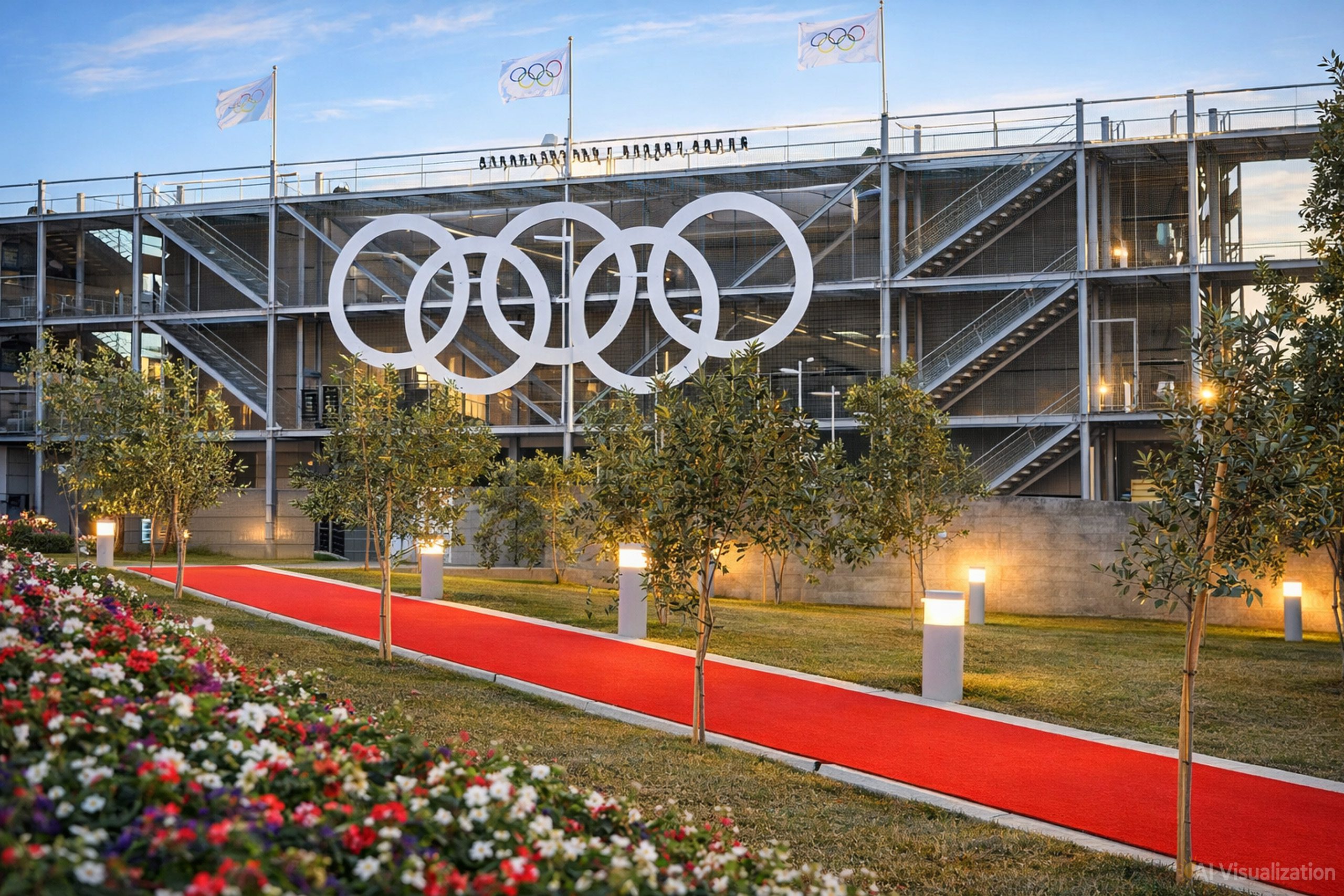
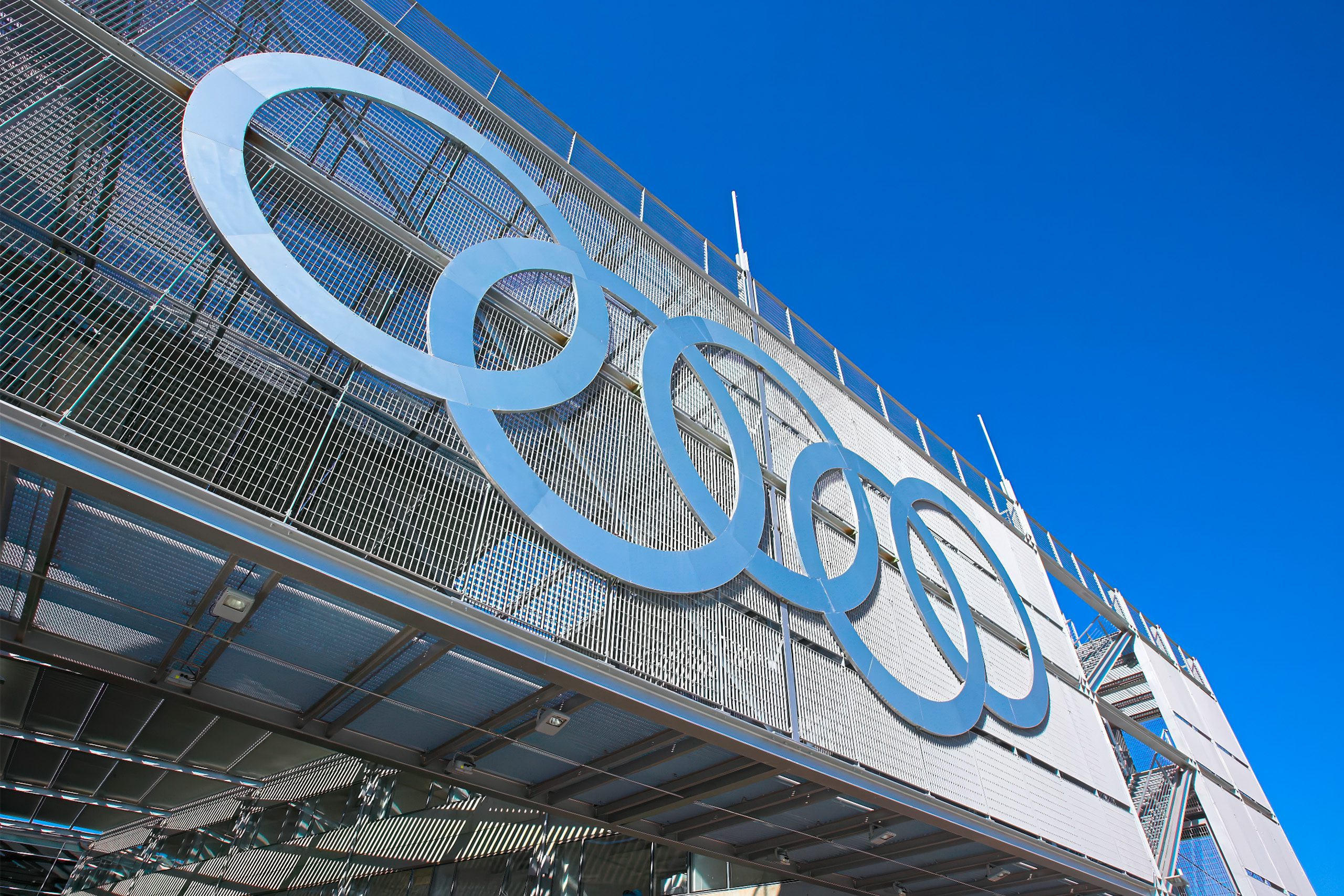
The museum occupies all three floors of the Olympic House, the headquarters of the Cyprus Olympic Committee, located at 21 Amfipoleos Street in Nicosia. The Olympic House opened on September 16, 2006, in a ceremony attended by President Tassos Papadopoulos and International Olympic Committee President Jacques Rogge.
The three-story building covers 7,500 square meters and cost 5.63 million Cyprus pounds to construct. The Cyprus Olympic Museum began operations in 2012, six years after the building’s inauguration.
The facility houses almost every sporting federation on the island, including sports not on the Olympic schedule. This centralized location makes the Olympic House a hub for athletic administration and a resource center for Cyprus’s sporting community. The museum component transforms the building from merely an administrative center into an educational space that celebrates Cyprus’s Olympic journey.
Historical Background
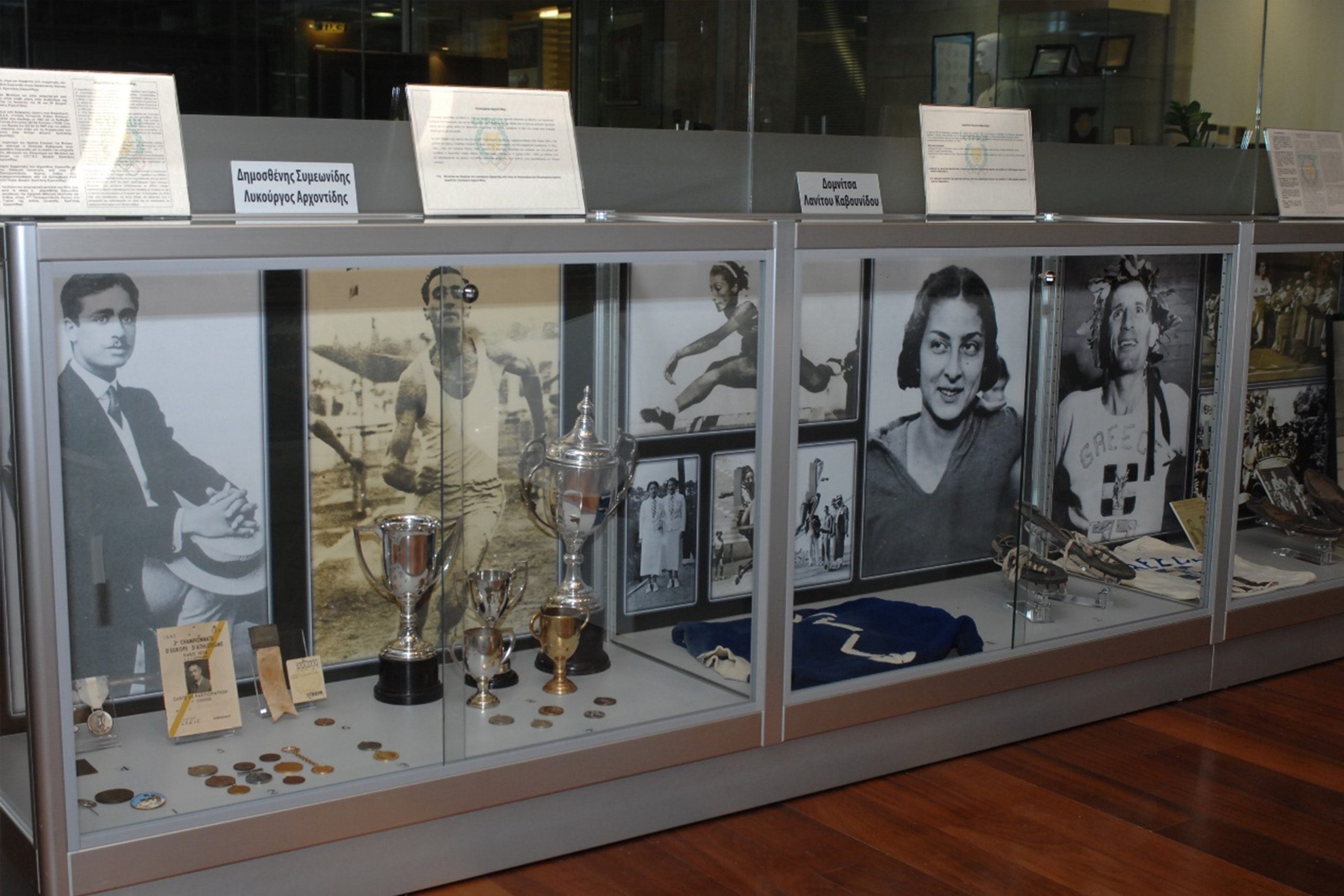
The Cyprus Olympic Committee was founded on June 10, 1974, and gained membership in the International Olympic Committee in 1979. Before this recognition, Cypriot athletes competed internationally under the Greek flag. Notable Cypriots who represented Greece include Ioannis Frangoudis, who won three shooting medals at Athens 1896, and Aristidis Konstantinidis, who claimed cycling gold at the same Games. Stavros Tziortzis placed seventh in the 400-meter hurdles at Munich 1972, while Lakis Georgiou Psimolofitis finished eighth in skeet shooting at the same Olympics.
Cyprus made its first Olympic appearance at the 1980 Winter Games in Lake Placid, United States. The nation’s Summer Olympics debut came six months later in Moscow 1980. Since then, Cyprus has participated in every Summer and Winter Olympic Games, as well as other multisport events at continental and world levels. The small island nation has maintained consistent presence at international competitions despite its limited population and resources.
The Museum’s Collection and Exhibits
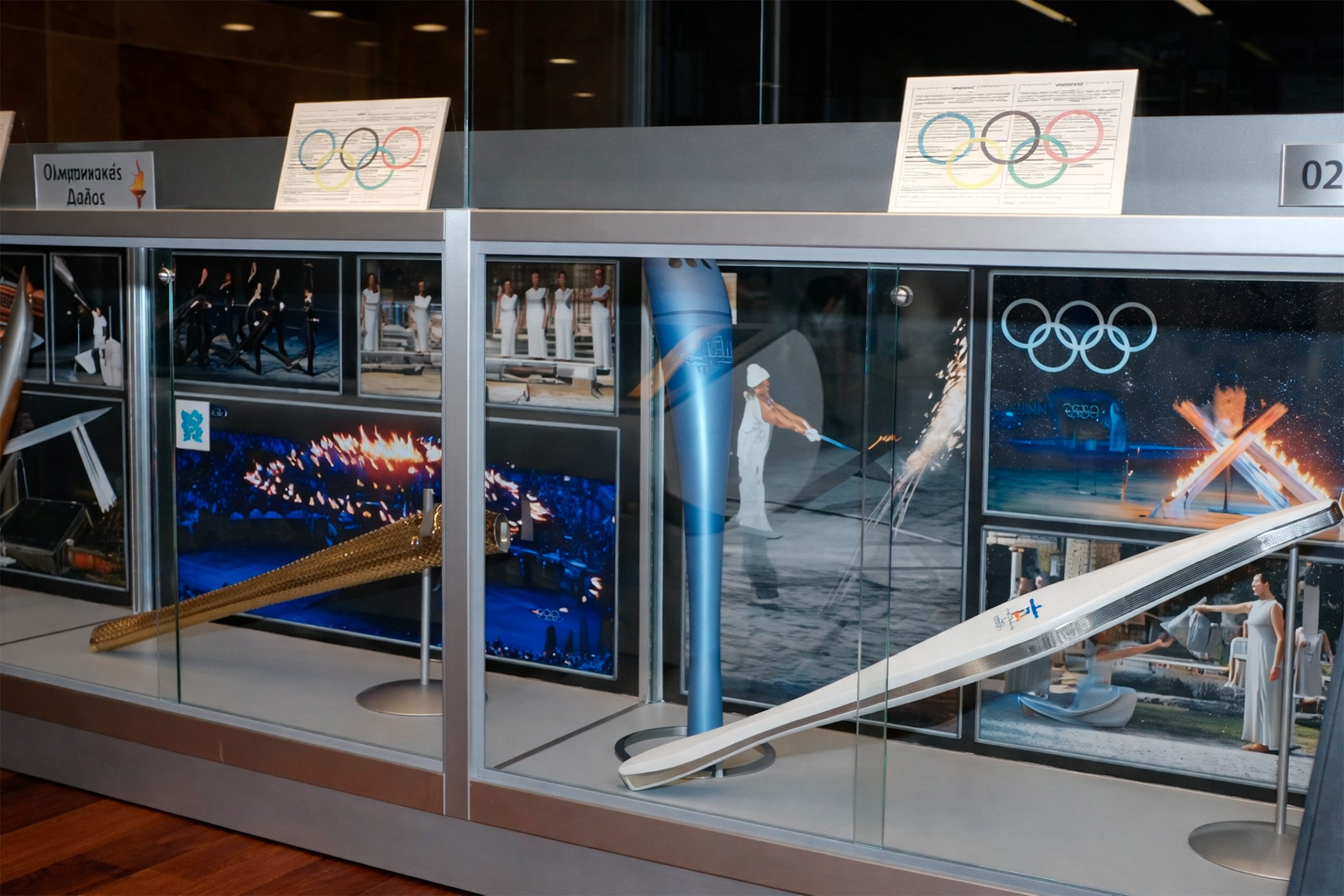
The museum displays over 400 artifacts related to Cyprus’s Olympic history and sporting achievements. The collection is organized into 12 sections that address different aspects of Olympism. Visitors begin their tour in five gardens representing the five continents, which introduces Olympic symbols and values. Twelve works of art throughout the museum represent various aspects of sport, helping visitors understand Olympic ideals through artistic expression.
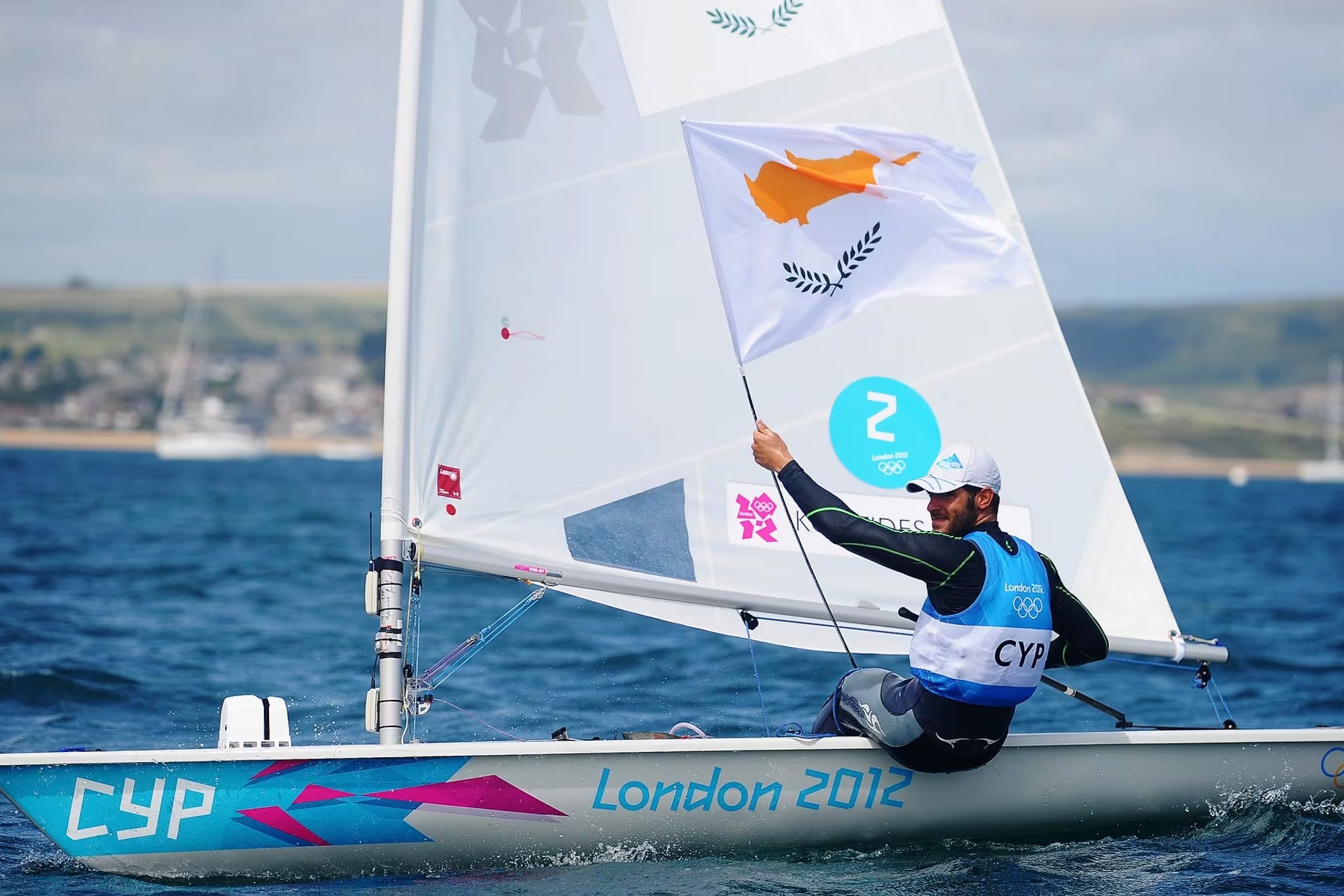
Key exhibits include the sailing suit worn by Pavlos Kontides when he won Cyprus’s first and only Olympic medal at London 2012. Kontides secured the silver medal in the Laser sailing event, marking the greatest accomplishment for Cyprus at the Olympics. The museum also displays a medal won by Theofanis Theodotou at the Zappas Olympics in 1888, providing a connection to early modern Olympic competitions. Sporting gear from Stylianos Kyriakides, who won the 1946 Boston Marathon, represents another significant piece in the collection.
The museum presents detailed information about all sports federations and different sports practiced in Cyprus. This section aims to encourage young people to participate in sporting activities. Educational displays about ancient Olympia, the birthplace of the Olympic movement, help visitors understand rituals respected during the Ancient Games. The presentation of the revival of the Olympic Games explains the circumstances that led to the creation of the modern Olympics and the historical evolution of the movement.
Notable Cypriot Athletic Achievements
Beyond Kontides’s silver medal, Cyprus has achieved several notable performances at Olympic and international competitions. At Beijing 2008, Antonis Nikolaidis finished fourth and Georgios Achilleos placed fifth in skeet shooting. At Rio 2016, six Cypriot athletes reached their event finals, including Kyriakos Ioannou, Pavlos Kontides, Milan Trajkovic, Apostolos Parellis, Dimitrios Chondrokoukis, and Marios Georgiou. High jumper Kyriacos Ioannou and artistic gymnast Marios Georgiou have left significant marks on international sporting stages.
Cyprus’s best Commonwealth Games performance came in 2010 at Delhi, India, where the island ranked 10th among 75 nations in the medal standings. The Cyprus Olympic Committee has hosted the Games of the Small States of Europe twice, with Nicosia hosting the third edition in 1989 and the thirteenth edition returning to Cyprus in 2009, shared between Nicosia and Limassol.
Educational Programs and Olympic Values
The museum functions as more than a display space for memorabilia. Through photographs, exhibitions, and presentations, visitors become familiar with the functioning of modern Games and their underlying philosophy. The museum promotes Olympic values through various programs organized by the Cyprus Olympic Committee. These include Olympic Day celebrations, Pierre de Coubertin student conferences, National Olympic Academy conferences, Olympic education programs, and Woman in Sport conferences.
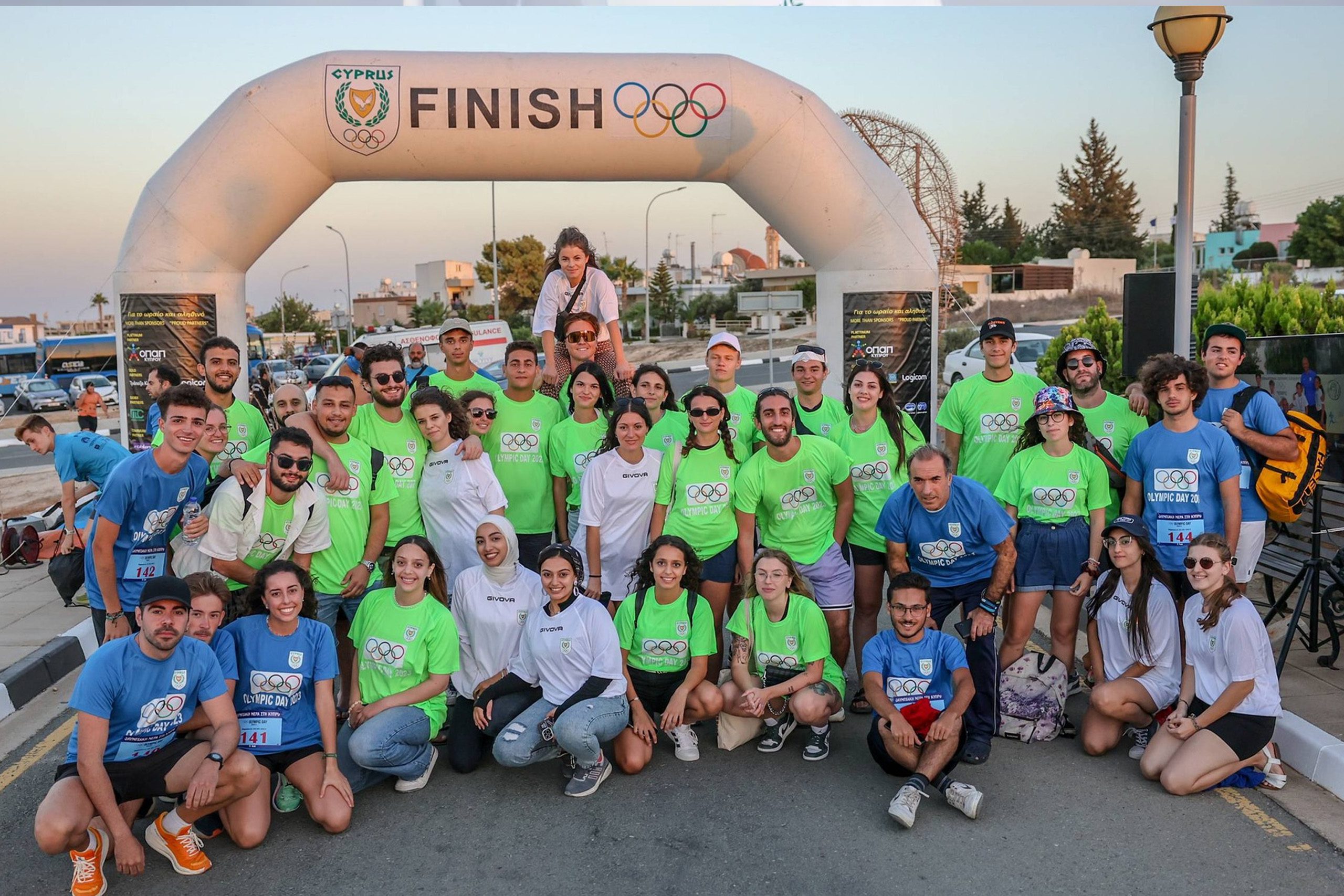
The committee organizes award banquets for the best junior athletes and appoints Fair Play ambassadors. Special events target integrating and introducing sports to people from sensitive groups, including refugees. These initiatives reflect the belief that Olympic ideals extend beyond competition to encompass social inclusion and development.
The museum offers guided tours that provide comprehensive understanding of Cyprus’s sporting history. The educational approach helps visitors, particularly students, connect with Olympic values and understand how small nations contribute to the international sporting community.
Practical Information for Visitors
The Cyprus Olympic Museum is accessible through the Olympic House at 21 Amfipoleos Street in Nicosia. Visitors can contact the facility at +357 22 449 880 or via email at cypnoc@olympic.org.cy. The museum operates under the Cyprus Olympic Committee, with Mr. Georgios Chrysostomou serving as president and Mr. Yiotis Ioannides as secretary general.
The museum provides free admission to all visitors. Standard visits take approximately one to two hours, though sports enthusiasts and those interested in detailed information may spend longer examining the exhibits. The three-floor layout allows for systematic exploration of Cyprus’s Olympic journey from earliest participation through contemporary achievements.
The facility is equipped with modern technologies and visual aids that enhance the visitor experience. Interactive elements and multimedia presentations make the museum accessible to different age groups and educational levels.
The Museum’s Significance for Cyprus
The Cyprus Olympic Museum preserves the athletic achievements of a small island nation that has consistently participated in international sporting competitions. For a country with limited population and resources, maintaining Olympic presence represents significant commitment to sporting ideals. The museum documents how Cyprus has competed alongside larger nations and occasionally achieved remarkable results.
The collection shows how sporting participation contributes to national identity and international recognition. Through Olympic competition, Cyprus connects with the global community and demonstrates its athletes’ dedication and skill. The museum honors those who represented Cyprus on international stages and inspires future generations to pursue athletic excellence.
The facility also reflects Cyprus’s commitment to preserving Olympic values of fair play, excellence, and international cooperation. By maintaining this museum, Cyprus demonstrates that Olympic participation extends beyond winning medals to encompass broader goals of youth development, social cohesion, and cultural exchange.