The Cyprus Historic and Classic Motor Museum houses over 240 vintage vehicles in Limassol and stands as the only automotive museum in Cyprus. This collection spans more than a century of motoring history and includes some of the rarest automobiles in the world.
Dimi Mavropoulos founded the museum in February 2014 after years of planning. He was born in Limassol in 1949. Mavropoulos became one of Cyprus’s most successful rally drivers. By age 20, he had already won numerous local races. He moved to London in 1969 to establish the European office for his family’s fruit export business, and during his 30 years there, he competed in 382 rallies across Europe while continuing to race in Cyprus.
His racing record speaks for itself. He won the Cyprus Championship multiple times, with his greatest achievement coming in 1990 when he won all seven championship events, including the prestigious Rothmans International Cyprus Rally. This feat remains unmatched. He competed in the Cyprus Rally 30 times and finished in the top three in 28 of them. After retiring from racing, his passion shifted to collecting classic and vintage cars.
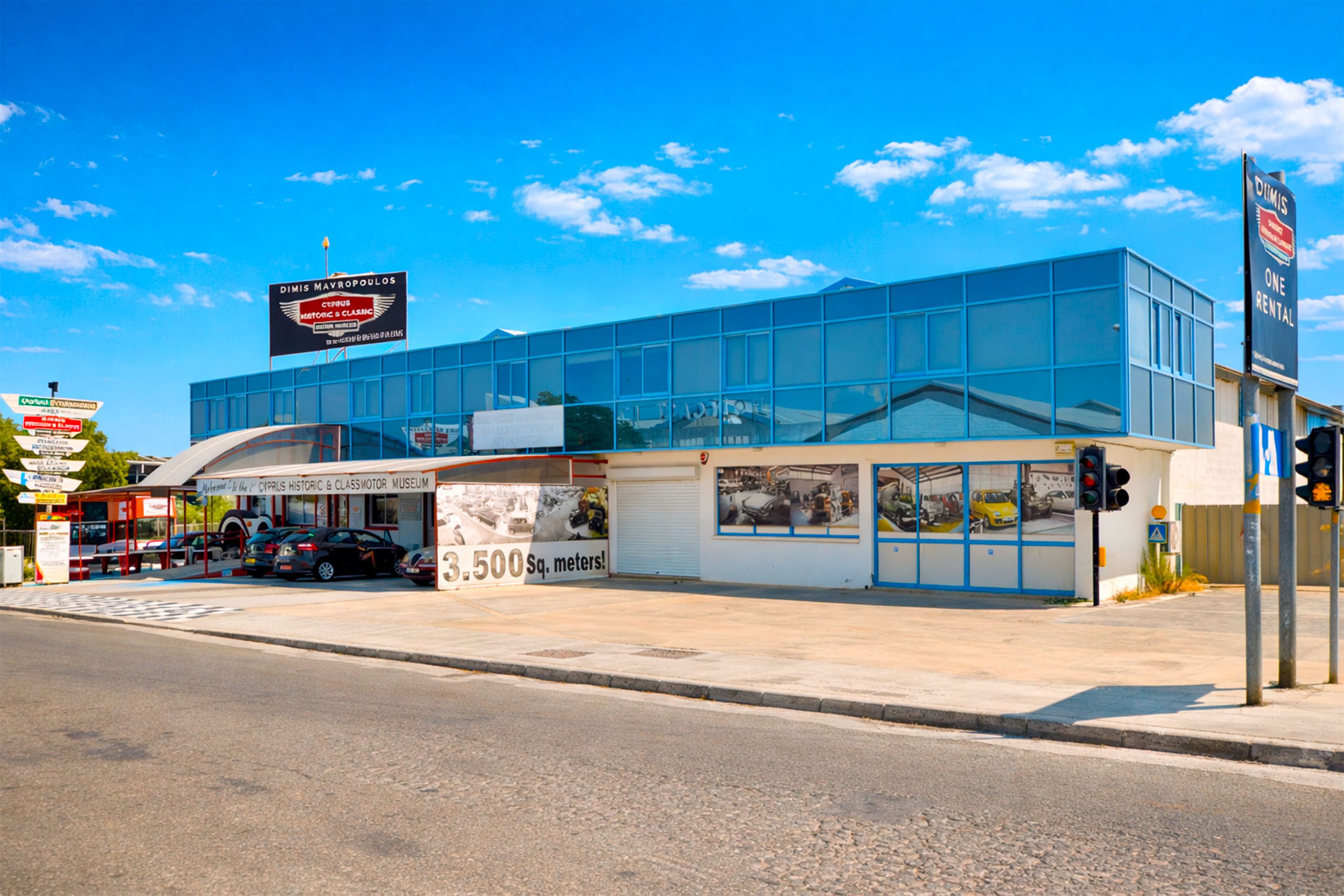
The idea for the museum came to him in 2000, but it took 14 years of hard work to make it happen. The museum first opened its doors in February 2014, then relocated to its current site in Limassol in 2015. The facility occupies 3,500 square meters in an industrial area on Epimitheos Street and provides ample space to display the extensive collection.
- The Star of the Collection
- Presidential Cadillac and Political History
- Celebrity Vehicles and Pop Culture
- From Ford Model T to Modern Collectibles
- Military and Specialty Vehicles
- Motorcycles and Racing Memorabilia
- Award Recognition and Cultural Impact
- The Cyprus Historic and Classic Vehicles Club
- Visiting the Cyprus Motor Museum
- Why Cyprus Motor Museum Matters
The Star of the Collection
The oldest vehicle in the museum is a replica of the 1886 Benz Motorwagen, widely recognized as the first automobile powered by a gasoline engine. Karl Benz applied for a patent on January 29, 1886, for his vehicle with gas engine operation. The patent number 37435 is often called the birth certificate of the automobile.
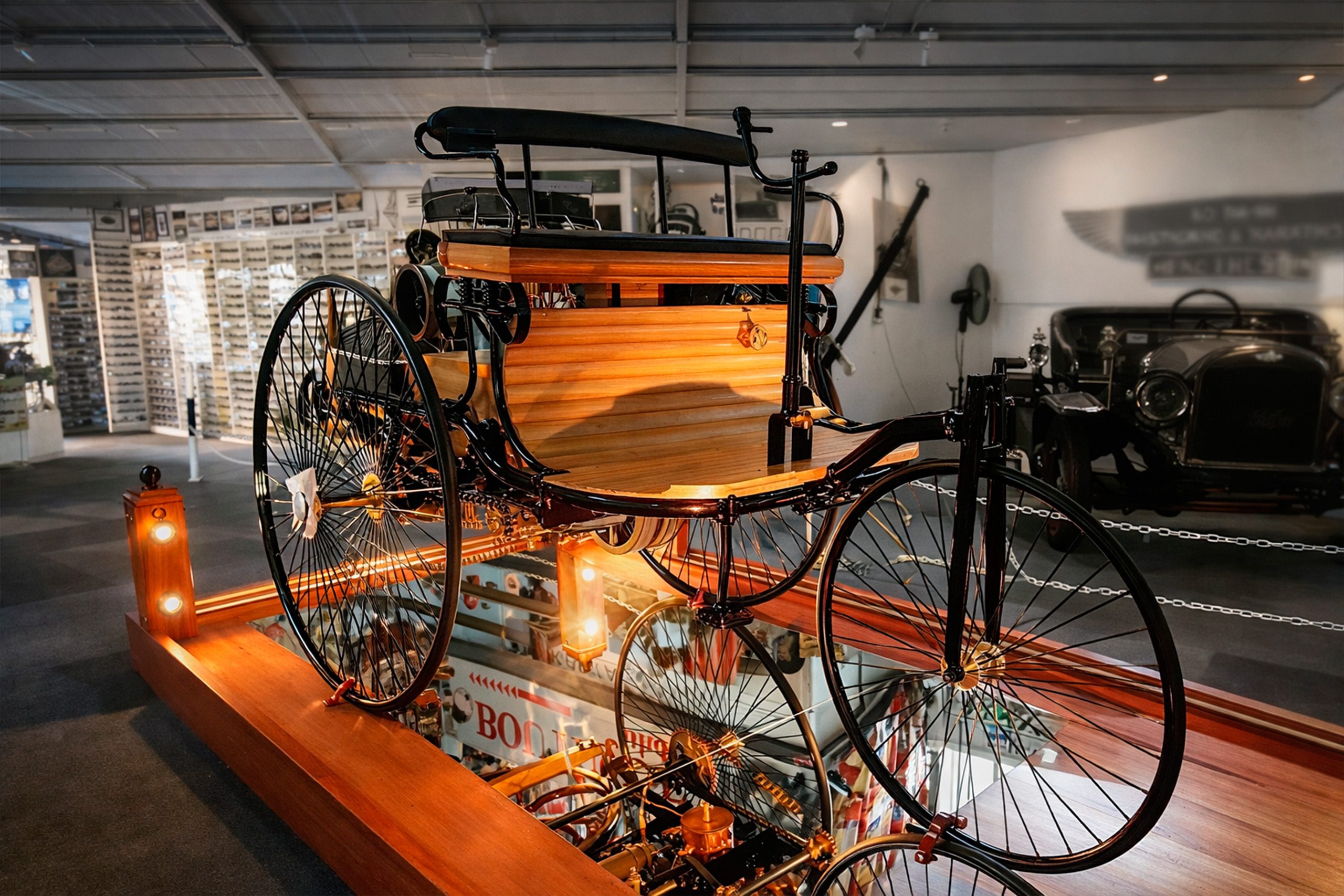
The original Motorwagen featured a single-cylinder engine that produced two-thirds of a horsepower at 250 rpm. The vehicle weighed about 100 kilograms and could reach a top speed of around 16 kilometers per hour. In 1888, Benz’s wife Bertha made automotive history when she took the vehicle on a 180-kilometer round trip from Mannheim to Pforzheim without telling her husband, proving that the automobile was practical for real-world use.
The museum’s replica captures the details of this revolutionary vehicle. Only about 25 original Patent Motorwagens were built between 1886 and 1893, making this replica a valuable educational piece that shows visitors how automotive technology began.
Presidential Cadillac and Political History
The armored presidential Cadillac from 1977 holds special significance for Cyprus. The United States government donated this custom-built vehicle specifically for President Makarios III. The car weighs 4.2 tonnes due to its armor plating, which was designed to protect the president during a turbulent period in Cypriot history.
Interestingly, President Makarios never used this Cadillac. The vehicle arrived in Cyprus shortly before his death and remained unused, preserved as a piece of political history. The car represents both American-Cypriot relations and the security concerns of the 1970s. Its presence in the museum offers visitors a tangible connection to Cyprus’s recent past.
Celebrity Vehicles and Pop Culture
The museum houses the green Mini Cooper that appeared in the Mr. Bean television series. This car features the actual lock on the side that fans remember from the show. The vehicle brings a touch of British comedy history to the collection and proves especially popular with younger visitors who recognize it from the beloved series.
Margaret Thatcher’s 1973 Rover P5 also occupies a spot in the museum. The Iron Lady used this vehicle during her time as UK Prime Minister. The Rover P5 was a favorite among British politicians and dignitaries, known for its comfort and dignified appearance. Owning one of Thatcher’s cars adds political gravitas to the collection.
From Ford Model T to Modern Collectibles
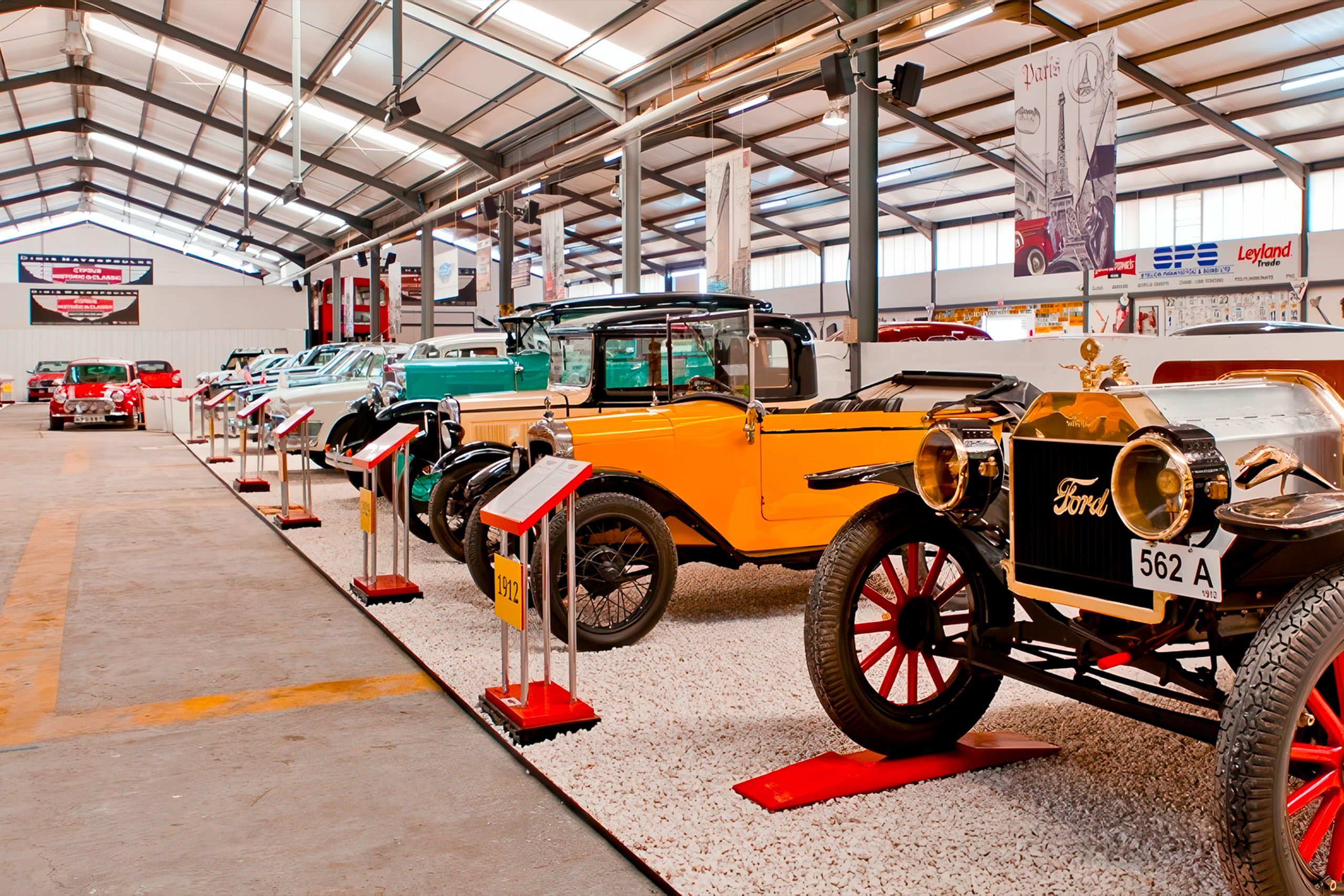
The 1912 Ford Model T Roadster represents another milestone in automotive history. Henry Ford’s company produced the Model T from October 1908 to May 1927. It became the first affordable automobile for average families, fundamentally changing how people lived and worked. The museum’s example has over 100 years of road life behind it.
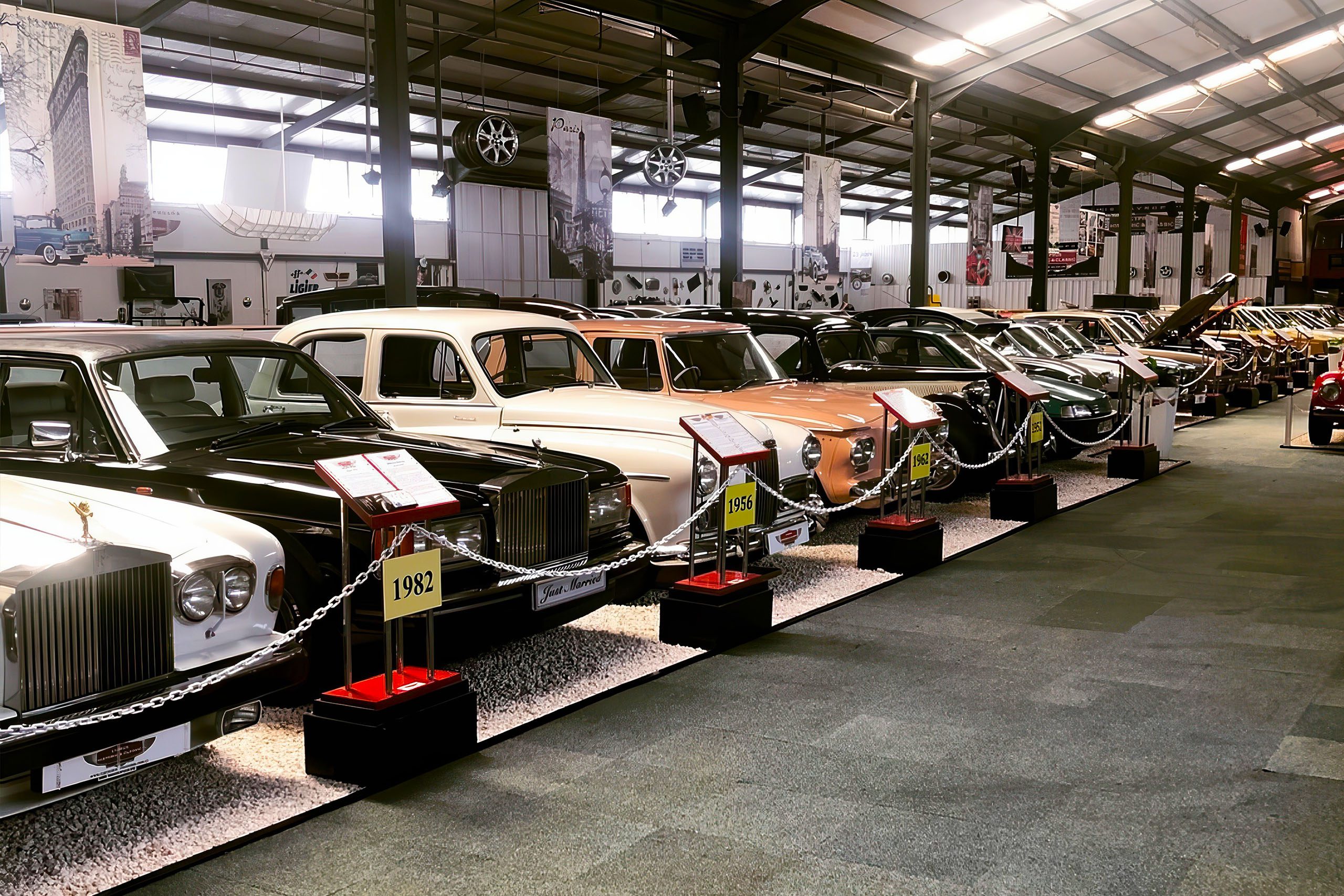
The collection spans from this early 20th-century Ford through to collectible vehicles from 2004. This range allows visitors to trace automotive evolution decade by decade. You can see how cars changed from simple mechanical devices to complex machines with advanced engineering.
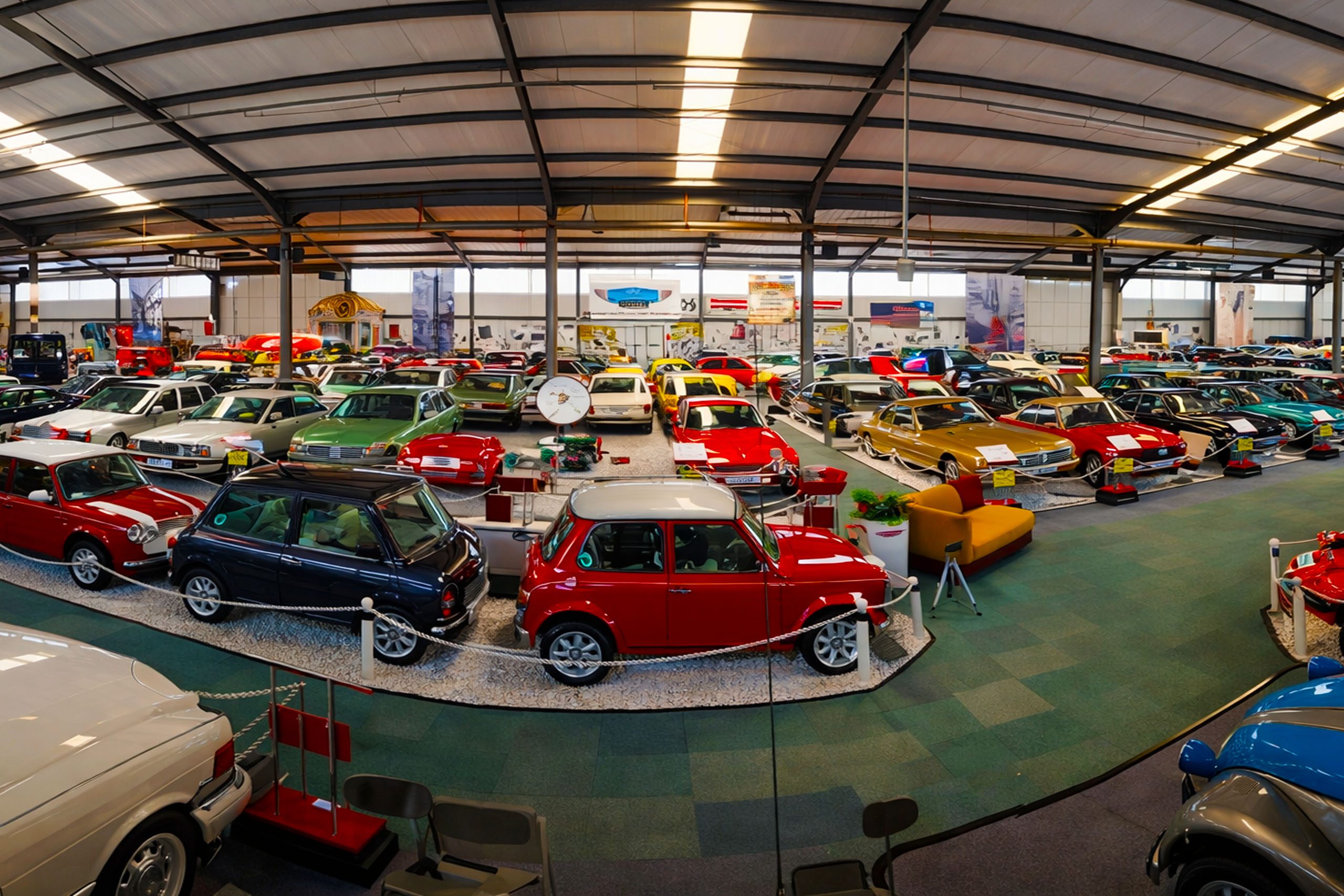
The Mercedes-Benz 300SL from 1989 represents the pinnacle of grand touring design. This model was the fastest production car of its era and became legendary for its performance and style. The museum also displays various Ford Sierras and BMWs from the 1980s, showing how everyday cars evolved during that decade.
Military and Specialty Vehicles
The museum extends beyond passenger cars. A Ferret armored fighting vehicle sits among the collection. The British company Daimler produced this reconnaissance vehicle between 1952 and 1971. Its presence shows how automotive technology adapted for military purposes.
A London double-decker bus provides visitors with a piece of British transportation history. The museum also houses a fire engine from Nottingham, agricultural vehicles, and various engines. These specialty vehicles demonstrate how the internal combustion engine transformed every aspect of modern life, not just personal transportation.
Motorcycles and Racing Memorabilia
The museum displays several motorcycles alongside its car collection. While the focus remains on automobiles, these two-wheeled vehicles show how engine technology adapted to different forms of transport. The collection also includes a helmet that belonged to racing legend Ayrton Senna, connecting the museum to the wider world of motorsports.
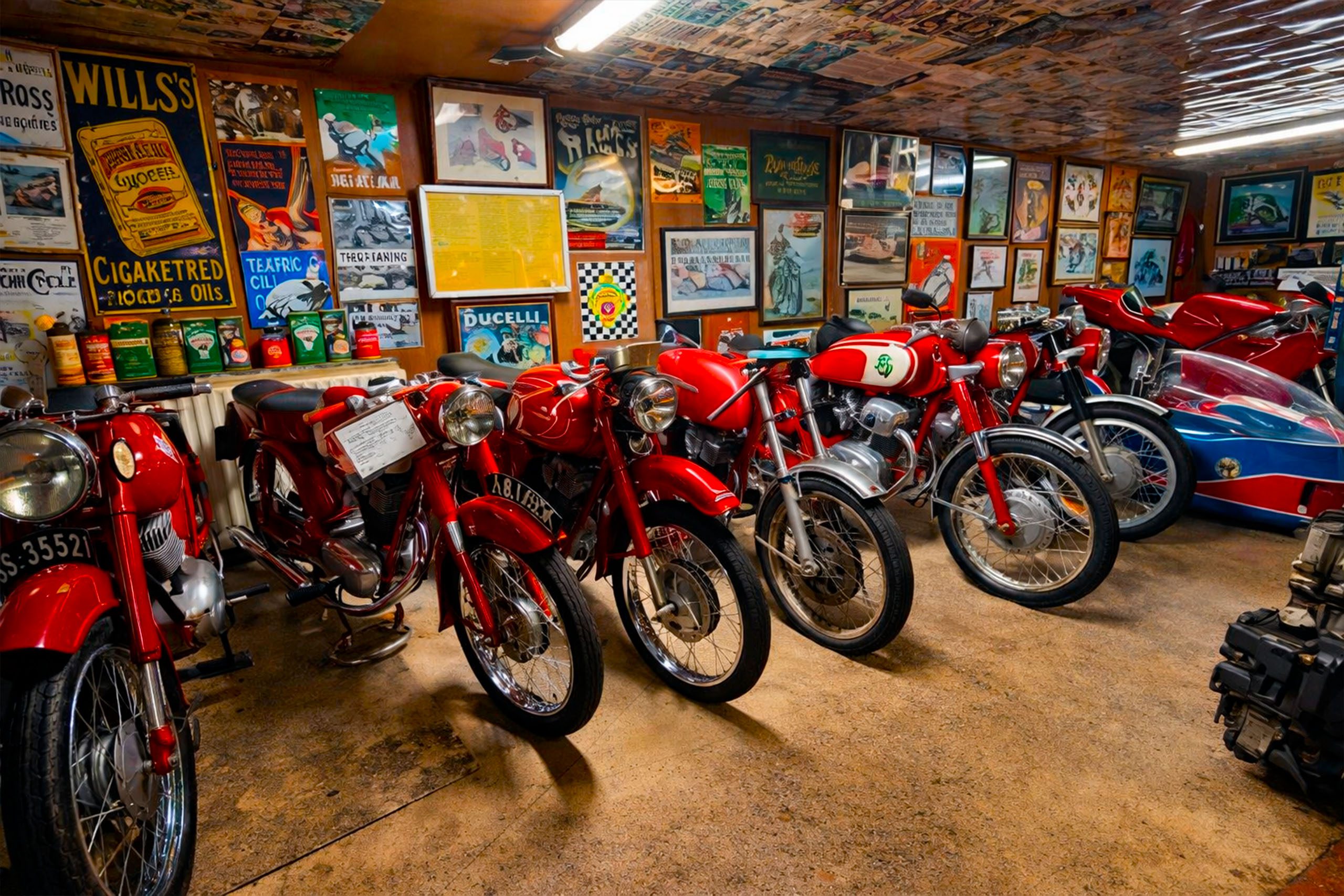
Rally racing equipment and motorsport accessories fill some displays, reflecting Mavropoulos’s personal history in competitive racing. These items help visitors understand the technical demands of rally driving and the evolution of safety equipment in motorsports.
Award Recognition and Cultural Impact
The Cyprus Tourism Awards recognized the museum’s contribution to the island’s cultural offerings with a Gold Award in 2021. This recognition confirms the museum’s importance not just as a private collection but as a public educational resource. The museum highlights the cultural significance of automotive development and its impact on Cypriot society.
Every vehicle in the collection comes with detailed documentation in both Greek and English. These descriptions explain each vehicle’s historical context and technical specifications. Visitors who take time to read these plaques gain a deeper understanding of how each car fits into the broader story of automotive progress.
The Cyprus Historic and Classic Vehicles Club
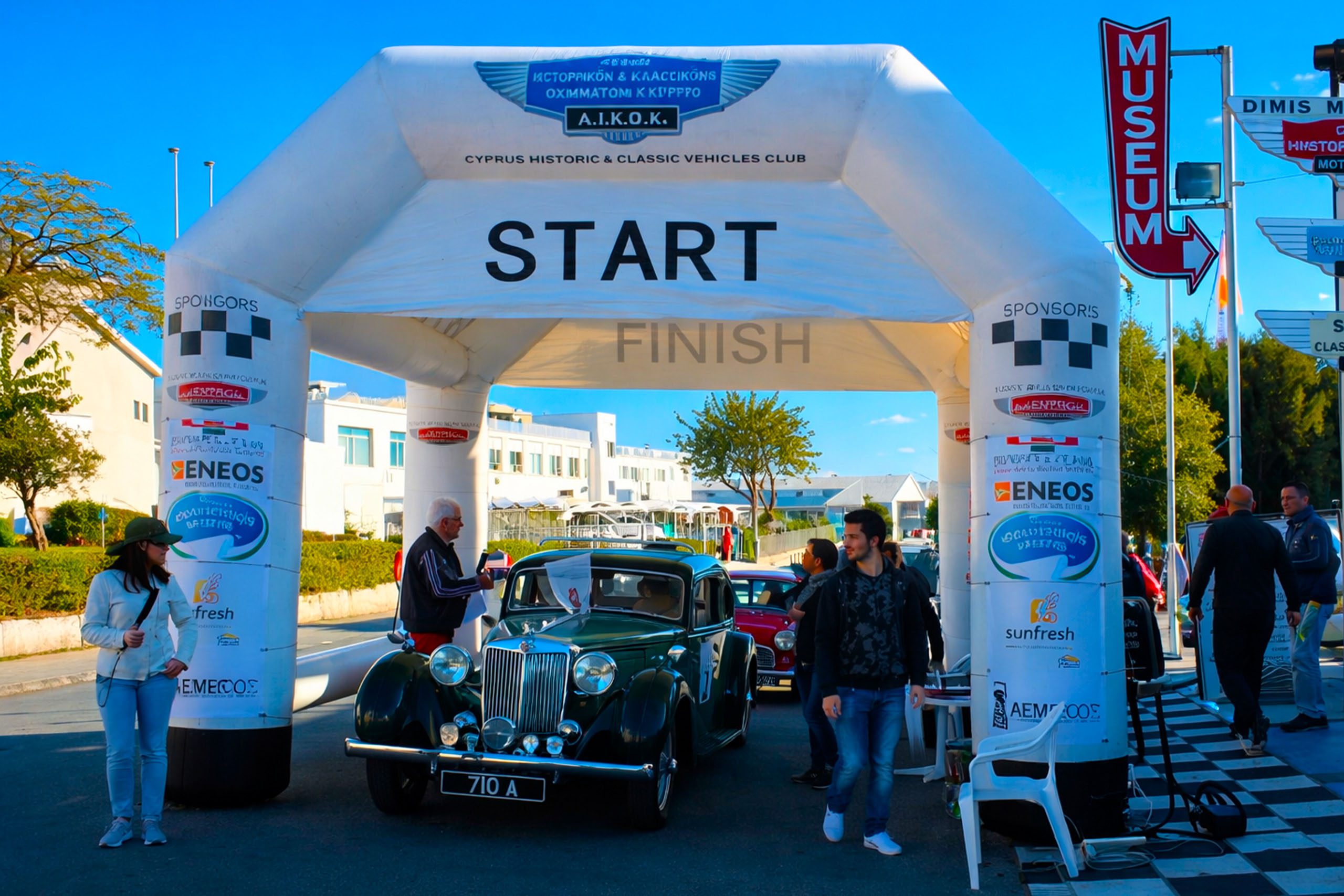
Mavropoulos established the Cyprus Historic and Classic Vehicles Club alongside the museum. This nonprofit organization provides automobile enthusiasts with a community where they can share their passion. The club organizes five classic car rallies each year, where participants navigate predetermined circuits within specific time limits.
These events end with celebrations in mountain restaurants where winners receive awards. All money collected from these rallies goes to charitable organizations in Cyprus. The club thus connects the museum to living automotive culture rather than just preserving the past.
Visiting the Cyprus Motor Museum
The museum is located at Epimitheos Street, 3056 Limassol. It is not in Paphos as sometimes mistakenly stated. The facility opens daily from 10:00 AM to 5:00 PM. Entrance costs approximately 11 euros per adult. Local bus routes service the area, making it accessible by public transportation, though most visitors arrive by car or taxi. Parking is available on site.
Why Cyprus Motor Museum Matters
The Cyprus Motor Museum preserves automotive history that might otherwise be lost. Classic cars require constant maintenance and proper storage to survive. By gathering these vehicles in one climate-controlled facility, Mavropoulos ensures they will remain available for future generations to study and enjoy.
The collection demonstrates how profoundly automobiles changed human society over the past 140 years. From the Benz Motorwagen’s top speed of 16 kilometers per hour to modern sports cars, the progression of technology becomes visible. Visitors can see how innovations in engines, materials, and design transformed what cars could do.
The museum also serves educational purposes. Schools bring students to learn about engineering, history, and industrial development. The vehicles provide concrete examples of abstract concepts like mass production, technological innovation, and cultural change. Seeing a 1912 Ford Model T helps students understand how the automobile revolution actually unfolded.