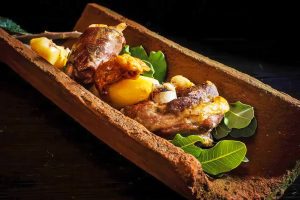
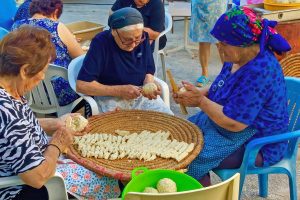
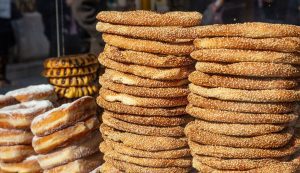
Cyprus has developed a distinctive collection of traditional sweets that reflect centuries of cultural exchange between Greece, the Middle East, and the Mediterranean. These artisanal treats are not luxury items but essential parts of daily life, religious celebrations, and village festivals.
From honey-soaked dough balls to sesame confections and refreshing milk puddings, Cypriot sweets combine simple ingredients with time-tested techniques to create memorable flavors. Each sweet tells a story of the island’s agricultural abundance, its position as a crossroads of civilizations, and its commitment to preserving culinary heritage.
Historical Context
The tradition of sweet-making in Cyprus dates back to ancient Greece and Byzantium. Historical texts reveal that many current recipes have roots in Byzantine-era treats called plakoundes, pemmata, or melipikta. These early sweets were made with dough and natural sweeteners like honey, carob syrup, or grape must. The word halva derives from the Arabic term for sweetness, reflecting the Ottoman influence that shaped Cypriot cuisine for centuries.
Loukoumades trace their history to 776 BC, when ancient Greeks offered honey-soaked dough balls as prizes to Olympic athletes. The tradition survived through Byzantine times, when monasteries made these treats during Lent because they contained only flour, yeast, water, and honey. As different cultures settled in Cyprus, they brought their own variations and techniques, creating the diverse sweet traditions that exist today. The island’s abundant carob trees, sesame fields, and rose gardens provided the raw materials for these distinctive desserts.
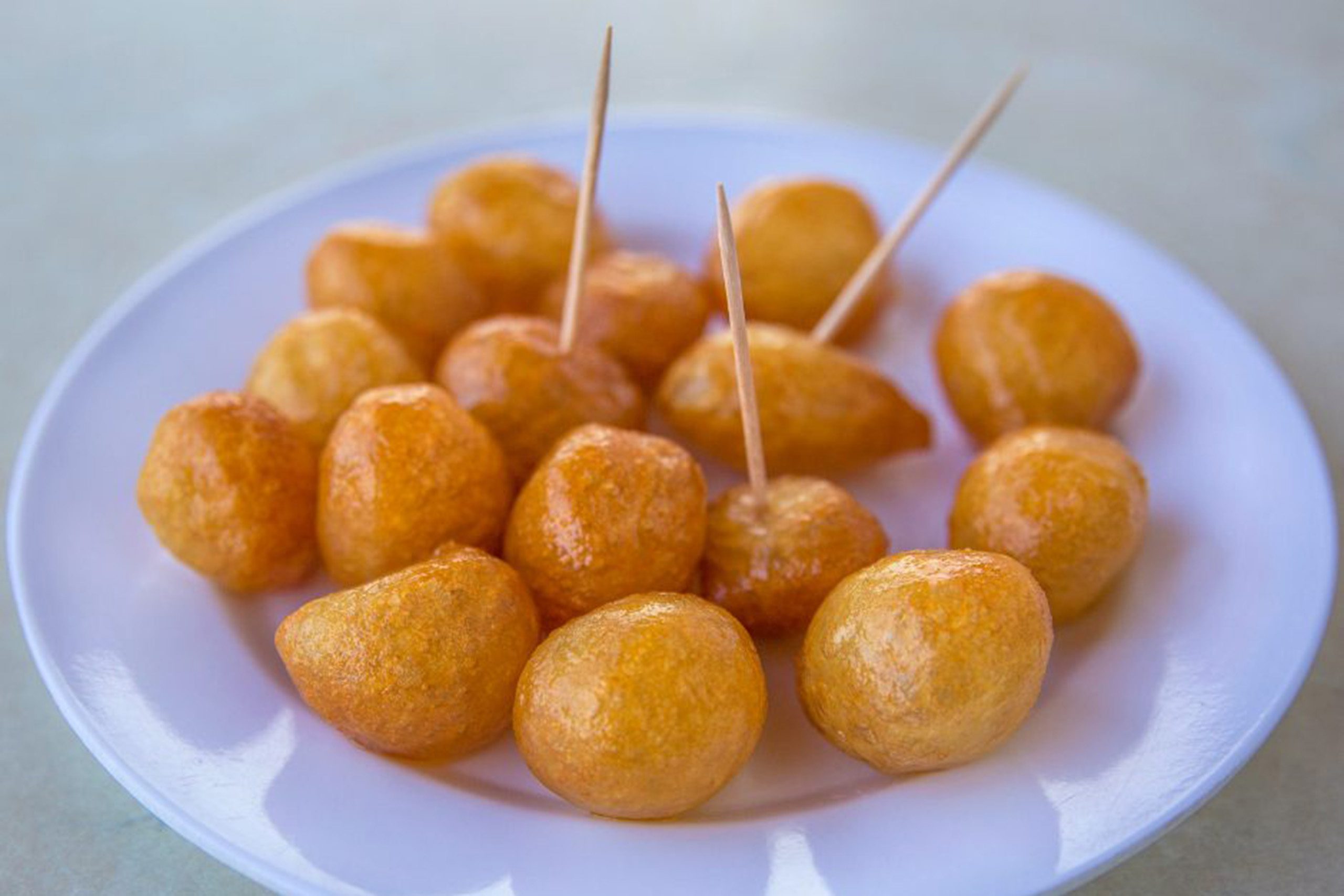
Golden Loukoumades at Village Festivals
Loukoumades are fried dough balls served at festivals, religious celebrations, and family gatherings across Cyprus. The Cypriot version differs from the Greek style in several key ways. Traditional Cypriot loukoumades include mashed potato in the dough for a distinctive starchy texture, and they are typically dipped in sugar syrup flavored with orange blossom water rather than plain honey. The dough requires careful preparation, with yeast allowed to ferment properly before frying.

Street vendors at village fairs prepare loukoumades in large batches, frying them in deep oil until golden brown. The aroma of frying dough attracts crowds from across the festival grounds. Modern versions may include toppings like Nutella, crushed pistachios, or chocolate sauce, but the traditional preparation remains most popular. On January 6, during the feast of Epiphany, Cypriot families traditionally make loukoumades. Some older families still follow the custom of throwing the first loukoumada onto the roof to ward off kallikantzari, mythical creatures believed to cause mischief during the twelve days of Christmas.
Halva in All Its Forms
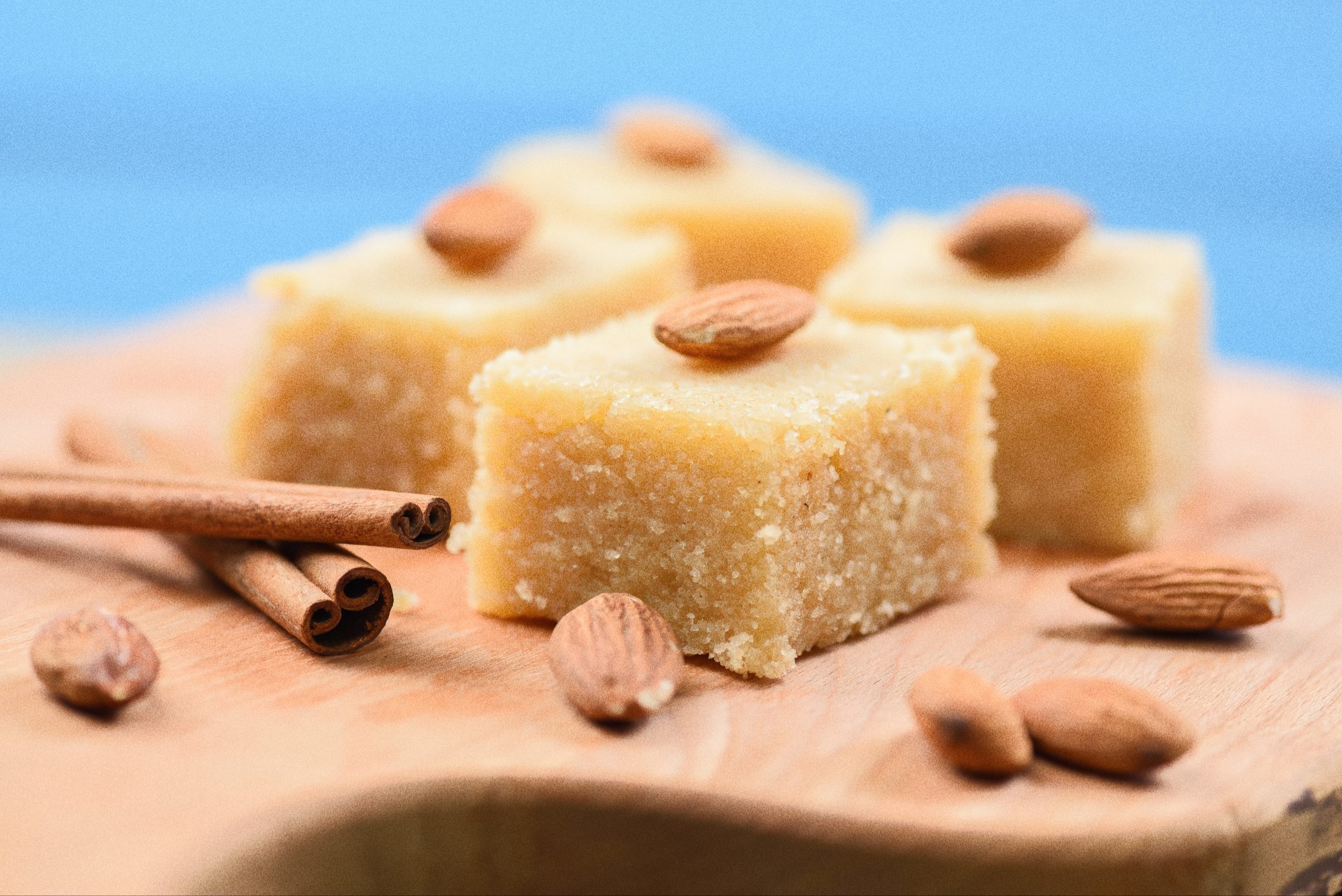
Halva appears in two distinct forms in Cyprus. Tahini halva, made from sesame paste and sugar syrup, creates a dense, crumbly confection with deep nutty flavor. The preparation requires precision, as the sugar syrup must reach exactly 247 degrees Fahrenheit before being mixed with tahini. This temperature creates the characteristic crystalline structure that gives halva its unique texture. Semolina halva, lighter and fluffier, is cooked on the stovetop with butter or oil and often includes nuts or cinnamon.
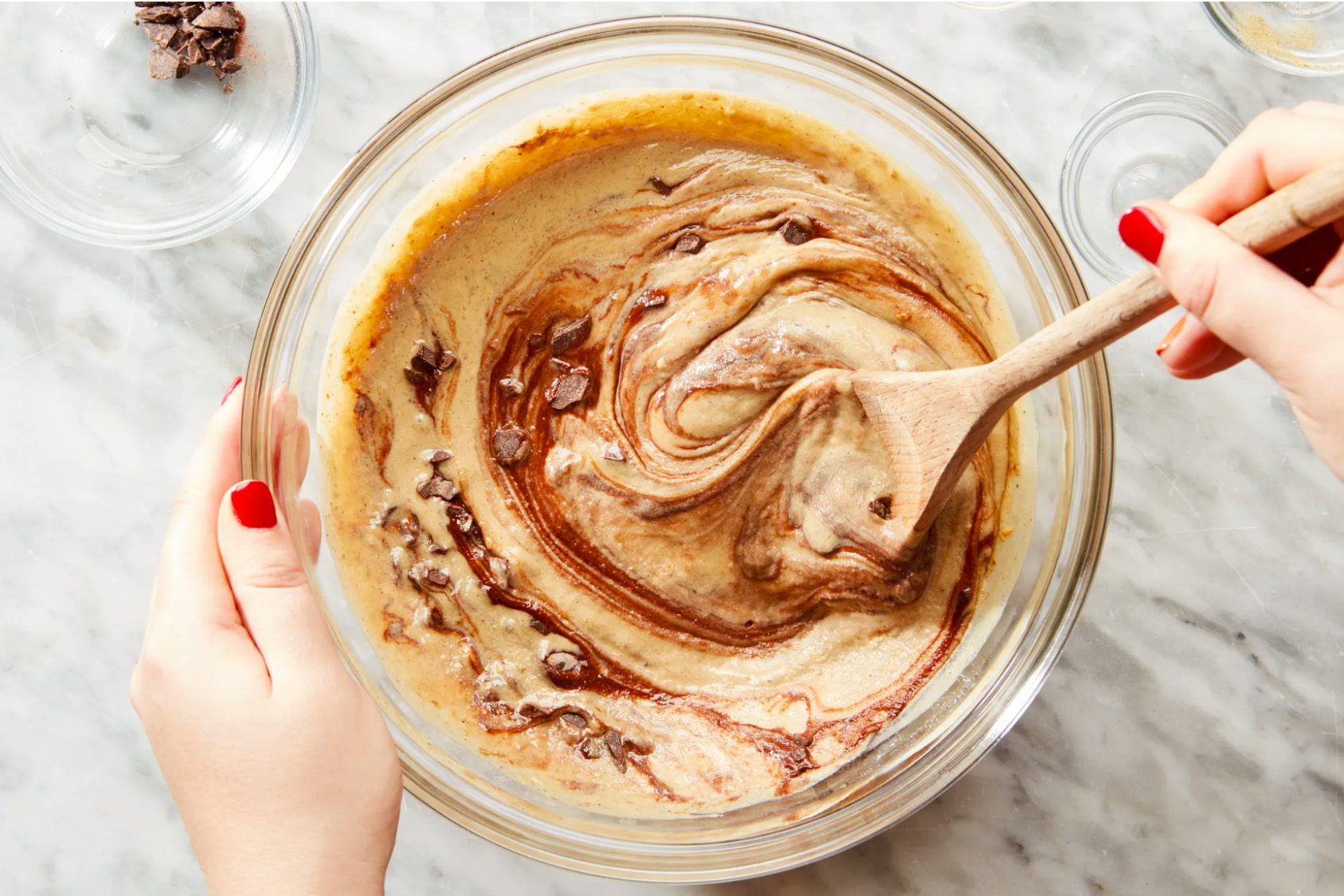
Traditional Cypriot families serve halva as an after-dinner treat with strong coffee or tea. The sweet pairs well with bitter beverages because its richness balances the astringent flavors. Halva keeps for weeks when stored in an airtight container, making it practical for households to prepare in advance. Modern variations include chocolate-swirled halva, pistachio halva, and versions flavored with vanilla or rose water. Despite these innovations, many Cypriots prefer the plain tahini version that their grandparents made, appreciating its pure sesame taste and simple preparation.
Refreshing Mahalepi for Summer Heat
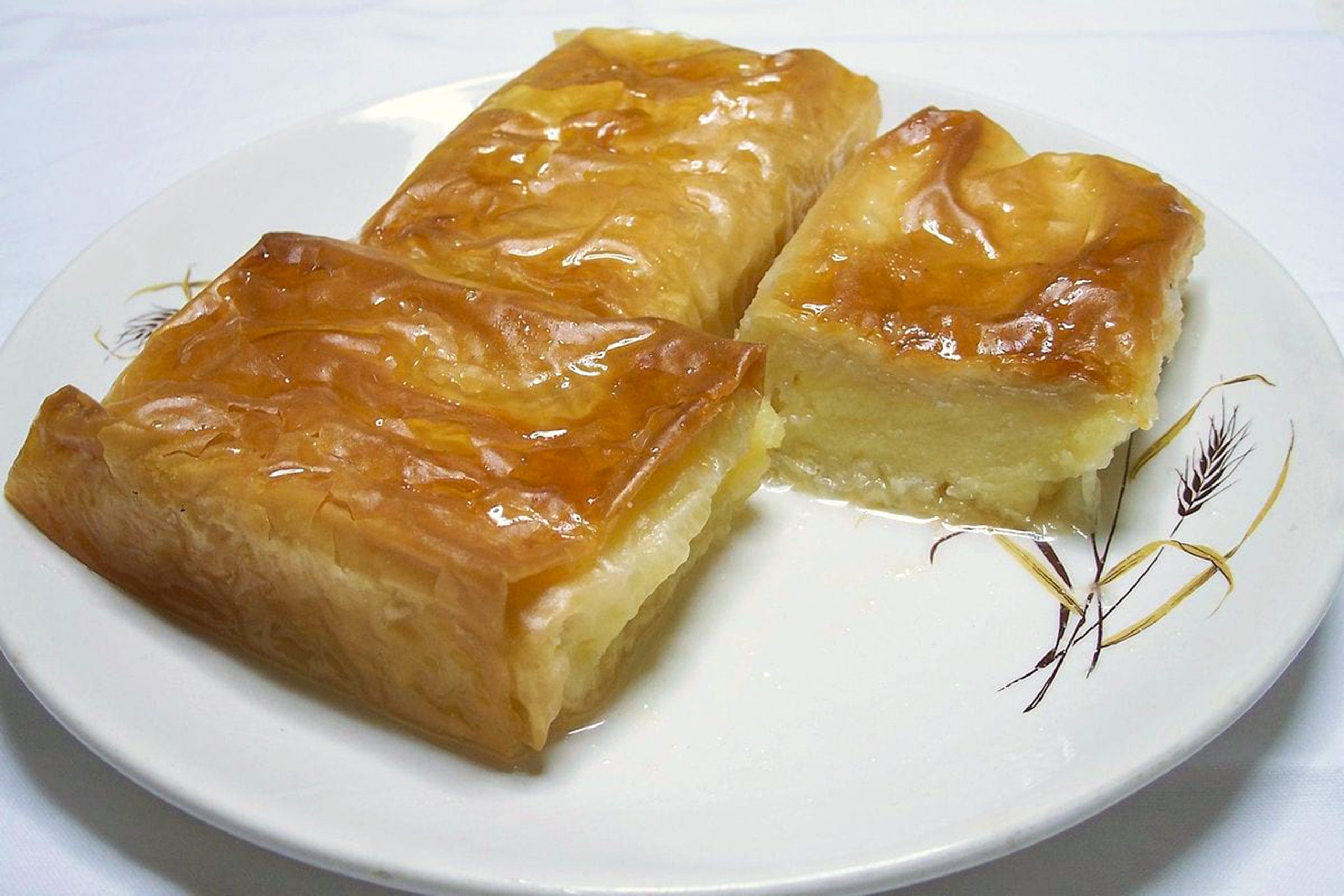
Mahalepi represents Cyprus’s answer to summer heat. This chilled milk pudding is made from cornstarch or rice flour, water or milk, and minimal sugar. The pudding sets into a firm gel that is cut into squares and served in shallow bowls with ice, rose water, and rose syrup. The dessert originated in Arab cuisine but became thoroughly integrated into Cypriot food culture. Street vendors once sold mahalepi from carts, using empty condensed milk tins as molds and keeping the pudding cold on blocks of ice.
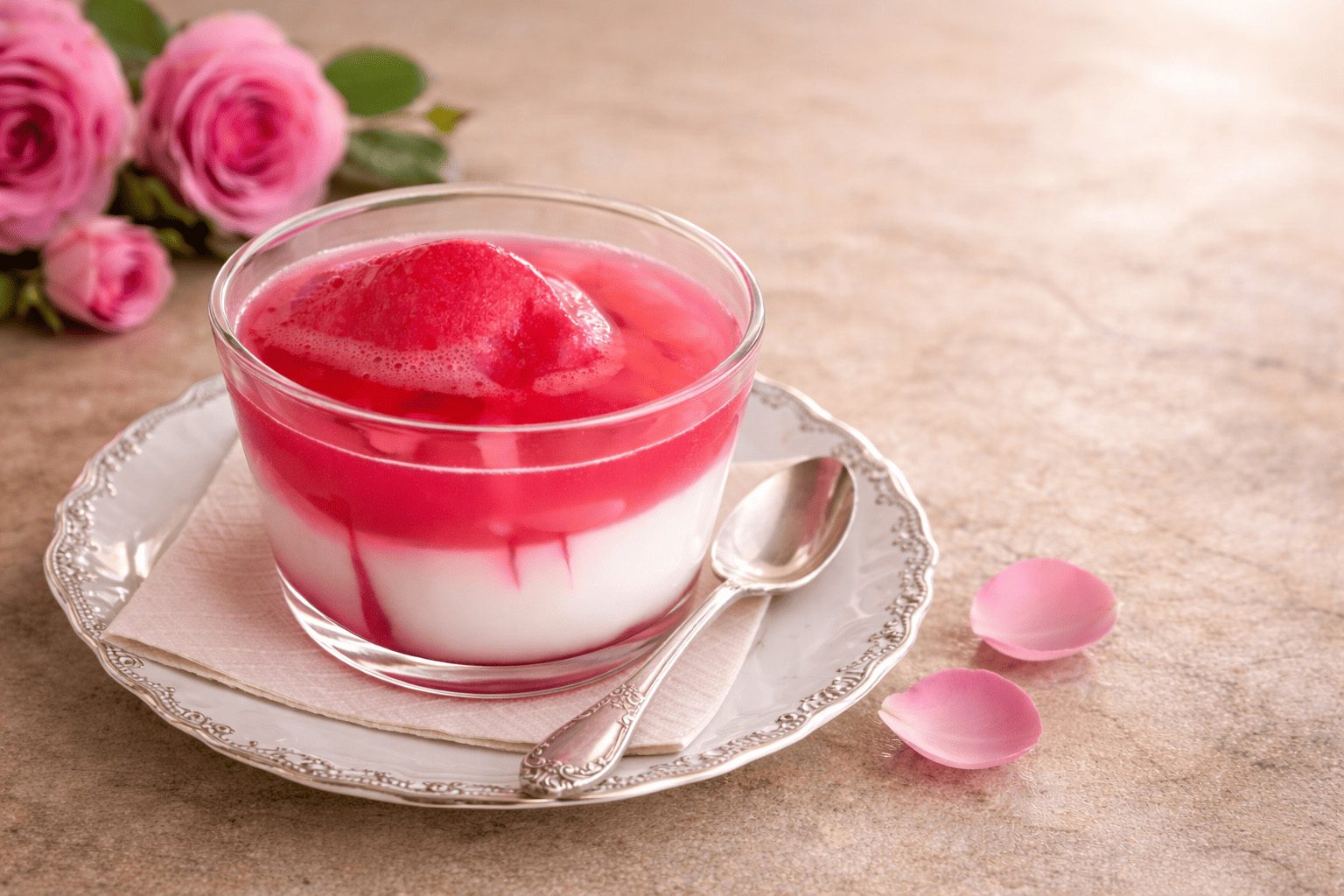
The village of Agros, famous for its rose production, supplies the rose water that gives mahalepi its distinctive floral aroma. Traditional vendors would flip the mahalepi from the tin onto a plate and allow customers to request their preferred amount of sugar and rose water. This interactive preparation method made buying mahalepi a memorable experience. Modern cafes serve mahalepi in glass cups, often garnished with rose petals or crushed ice. The dessert remains especially popular during July and August, when temperatures soar and Cypriots seek cooling refreshment.
Interesting Details About Cypriot Sweets
The word “carat” derives from carob seeds, which ancient merchants used as standard weights. Loukoumi Geroskipou, a traditional Cypriot Turkish delight from the village of Geroskipou in Paphos, holds Protected Geographical Indication status from the European Union. This makes it the first Cypriot product to receive such recognition. Cypriot families traditionally offer spoon sweets to guests, a custom called philoxenia that demonstrates hospitality. These fruit preserves include bitter orange peel, cherries, walnuts, and even tiny eggplants, all cooked in thick sugar syrup.
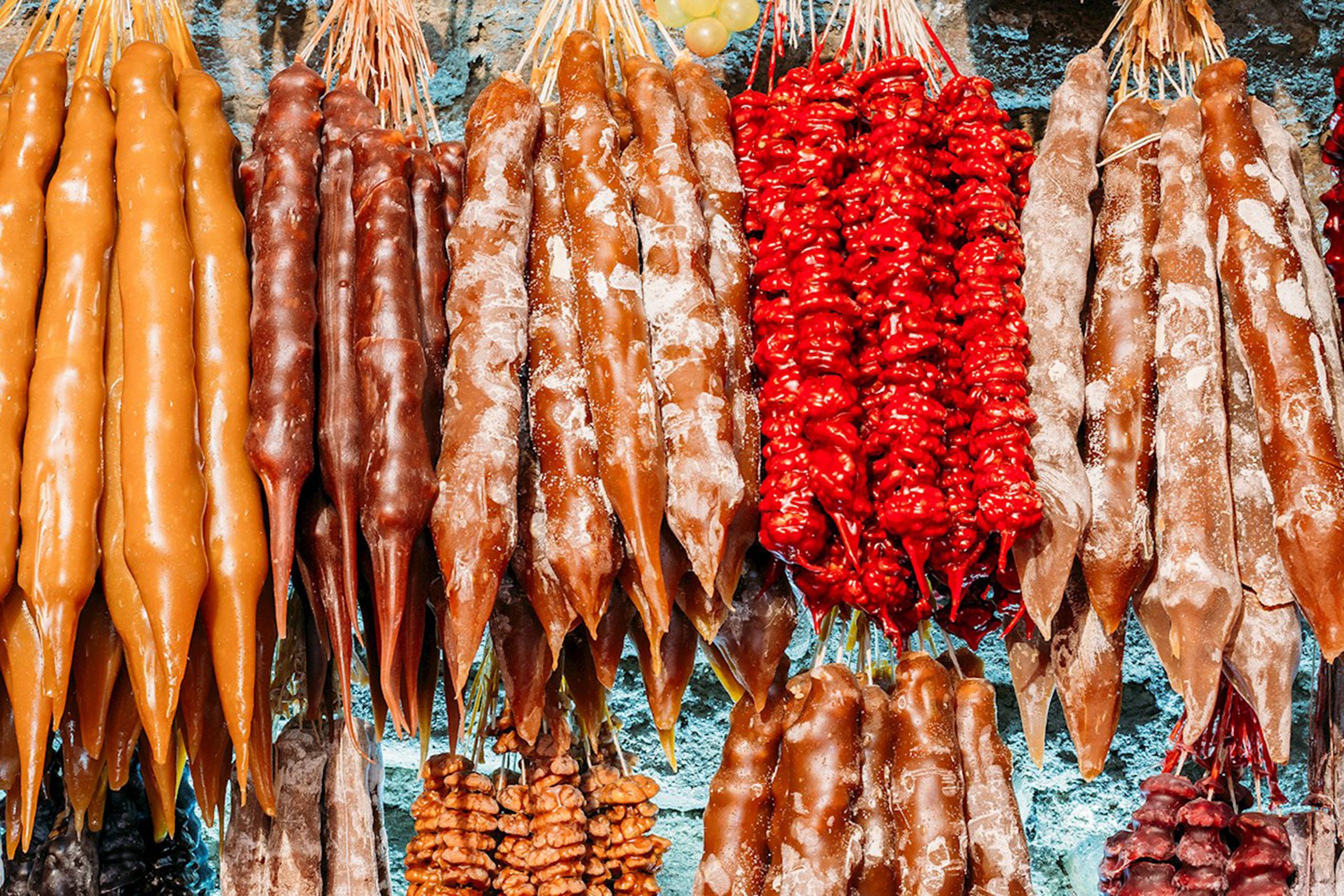
Soutzoukos, another distinctive Cypriot sweet, consists of strings of almonds or walnuts dipped repeatedly in thickened grape juice until coated with a thick layer. The strings hang in sunshine until they dry into chewy cylinders. During the Venetian occupation of Cyprus, documents mention pastelli by name, confirming its long presence in Cypriot cuisine. Byzantine texts also reference this sweet, suggesting it may be among the oldest continuously produced confections in the Mediterranean region.
Sweets in Contemporary Cypriot Life
Traditional sweet-making remains alive in Cyprus, though some practices have evolved. Village festivals still feature loukoumades stands where fresh batches are prepared throughout the day. Families continue making halva at home, though many now purchase it from specialty shops that maintain traditional recipes. The rose water industry in Agros thrives by supplying both local consumers and international markets. Young Cypriots show renewed interest in learning traditional recipes from older relatives, recognizing these skills as cultural heritage worth preserving.
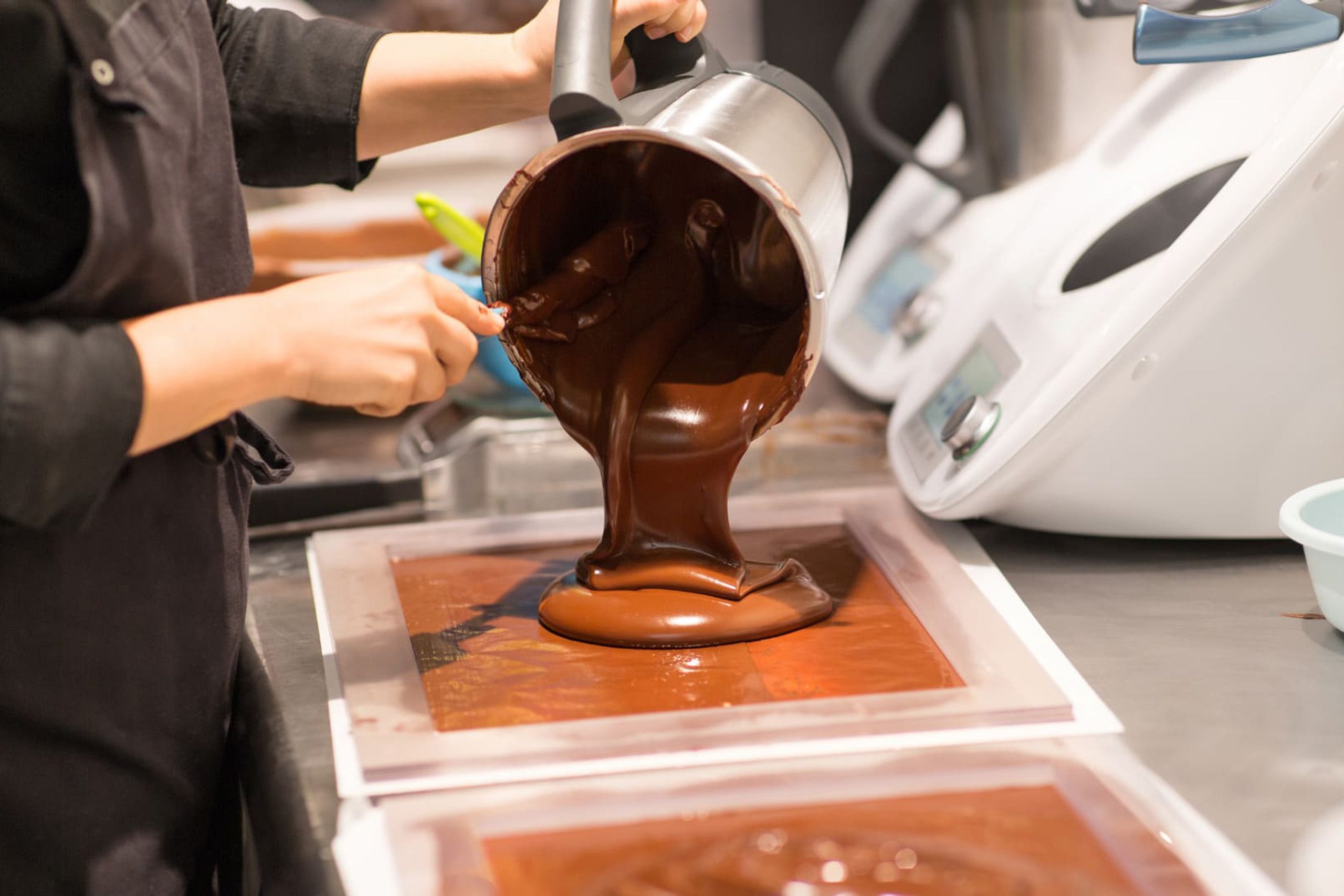
Modern bakeries create innovative versions of classic sweets while respecting traditional foundations. Chocolate-dipped loukoumades, halva spread with sweetened tahini, and mahalepi with fruit coulis represent contemporary adaptations. These variations attract younger customers while maintaining connections to original recipes. Several Cypriot cooperatives now produce traditional sweets for export, introducing international audiences to flavors previously known only locally. This commercial success has encouraged continued cultivation of ingredients like carob and rose petals.
Finding and Enjoying Traditional Sweets
Village festivals offer the most authentic experience for tasting traditional Cypriot sweets. The Agros Rose Festival in May showcases rose water products and desserts flavored with local roses. Summer fairs throughout Cyprus feature fresh loukoumades prepared on-site, allowing visitors to watch the entire process from dough to finished product. Traditional cafes in older neighborhoods of Nicosia, Limassol, and Paphos serve mahalepi during summer months, often using recipes passed down through generations.
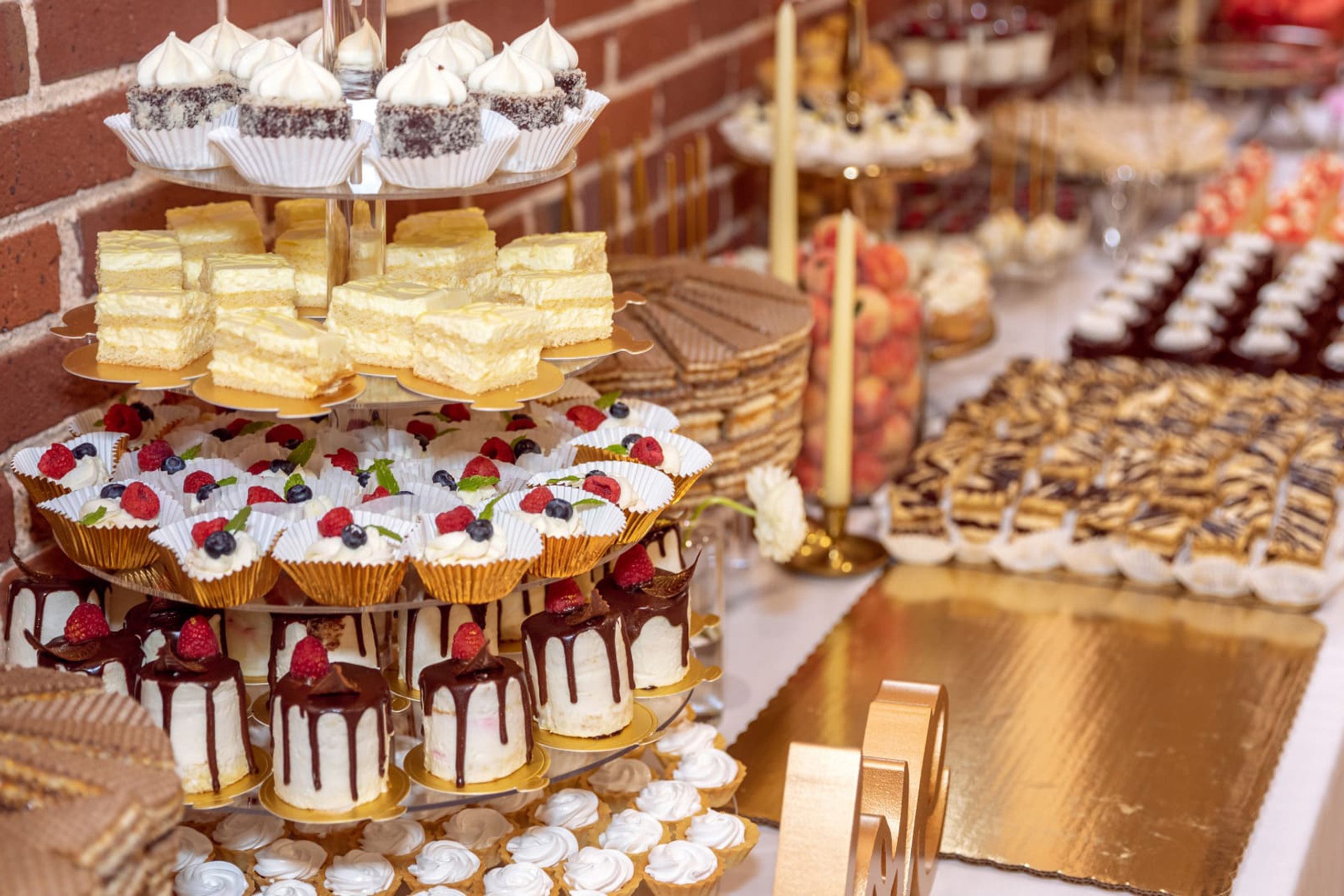
Specialized sweet shops stock halva in various flavors, pastelli made from carob syrup, and spoon sweets in dozens of varieties. Markets in mountain villages sell locally produced treats, with vendors happy to explain preparation methods and ingredient sources. Many Cypriot families welcome visitors who express interest in traditional cooking, offering informal demonstrations of sweet-making techniques. This willingness to share knowledge ensures that culinary traditions continue even as modern life changes daily routines.
The Role of Local Ingredients in Cypriot Sweets
Cypriot sweets owe much of their distinctive taste to the island’s abundance of high-quality local ingredients. Honey, often preferred over sugar, is a key sweetening agent in many traditional recipes. Carob syrup, derived from the pods of carob trees abundant in Cyprus, is another common ingredient, prized for its deep flavor and nutritional benefits. Almonds, walnuts, and pistachios, frequently used in everything from nougat to baklava, are sourced locally to ensure freshness.
Fresh fruits, such as figs, apricots, and sour cherries, are used in spoon sweets and jams, emphasizing the region’s connection to seasonality. Rosewater and mastic, aromatic additions in many desserts, provide unique flavors that reflect the island’s Mediterranean identity. These ingredients are often grown in family-run farms or foraged from the countryside, maintaining a direct link between the land and the traditions. This reliance on local produce ensures authenticity while supporting sustainable practices.