Architecture and vernacular building styles

Articles: Architecture and vernacular building styles

Stories in this category and its subcategories.

Ottoman Sebils – Public Water Fountains of Cyprus

Ottoman Sebils – Public Water Fountains of Cyprus

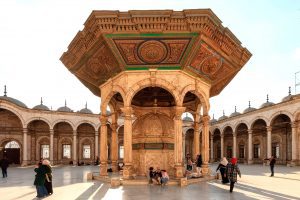
photohound.co When the Ottoman Empire took control of Cyprus in 1571, the island experienced major changes in its architecture and daily life. Among the most practical contributions the Ottomans brought were sebils, public water fountains that became essential features of Cypriot cities. These structures served both religious and civic purposes, providing free drinking water to travelers and locals while allowing Muslims to perform ritual ablutions before prayer. The word sabil comes from the Arabic root meaning to make available or to provide a way. In Islamic tradition, building a sabil was considered an act of charity, a way to earn religious merit by serving the community. The Ottoman authorities valued these fountains so highly that they granted tax exemptions to…

Read more
Ottoman Baths in Cyprus – Historic Hamams

Ottoman Baths in Cyprus – Historic Hamams

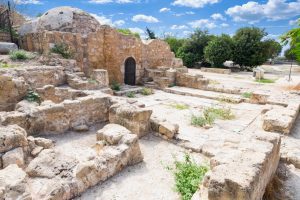
wikimedia.org1 Ottoman baths, known as hamams, represent a distinctive cultural contribution to Cyprus architecture and social life. These public bathhouses served communities across the island for centuries, combining cleansing rituals with social gathering spaces. Several hamams survive today as monuments to Ottoman rule, with two still operating as functional spas. The hamam tradition did not originate with the Ottomans. Its roots stretch back to Roman thermae and Byzantine bathing practices, which the Ottomans inherited and adapted to Islamic requirements for ritual cleanliness. The word hamam comes from the Arabic root meaning heat or heating, reflecting the central role of warmth in the bathing process. Islamic tradition emphasizes cleanliness as a prerequisite for prayer. This religious requirement, combined with social customs,…

Read more
Omodos Medieval Architecture, Cyprus

Omodos Medieval Architecture, Cyprus

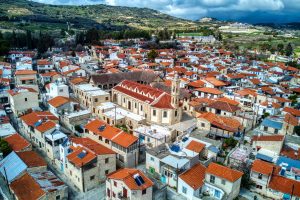
Omodos is a mountain village in the Limassol district of Cyprus, located 42 kilometers northwest of the city at an elevation of 810 meters. The village sits in the heart of the Krasochoria region, a wine-producing area in the Troodos foothills. wikimedia.org The village square, covering 3,000 square meters and dating to 1910, stands as one of the largest in Cyprus. The architectural character of Omodos creates what many describe as a living museum, where centuries of building traditions remain visible in everyday structures. This preservation has made the village a protected heritage site and a key destination for those interested in traditional Cypriot architecture. Historical Background The village likely came into existence at the end of the Byzantine period,…

Read more
Troodos Monasteries and Chapels of Cyprus

Troodos Monasteries and Chapels of Cyprus

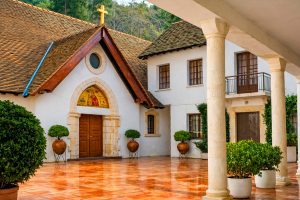
The Painted Churches in the Troodos Region represent a collection of ten Byzantine and post-Byzantine monuments dating from the 11th to the 16th centuries. These structures range from small rural chapels to monastery complexes, all sharing two defining characteristics. These are richly decorated interior frescoes and distinctive steep-pitched wooden roofs. thecypriotinme-com Nine of the churches are located in the Nicosia District, while one, Timios Stavros in Pelendri, sits in the Limassol District. Together they provide an exceptional record of Byzantine and post-Byzantine painting in Cyprus, documenting artistic developments across five centuries of religious expression. Historical Background Cyprus became fully Byzantine in 965 AD when Emperor Nikephoros II Phokas sent General Niketas Chalkoutzes to reconquer the island. Before this, Cyprus had…

Read more