Where Three Continents Meet

Articles: Where Three Continents Meet

Stories in this category and its subcategories.

Troodos Mineral Springs

Troodos Mineral Springs

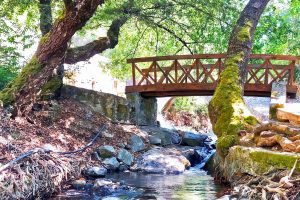
Deep in the Troodos Mountains, sulfur-rich waters rise from ancient rock, just as they have for thousands of years. These mineral springs have drawn healers, pilgrims, and travelers since antiquity. The most famous flows in Kalopanayiotis village, where thermal waters meet the Setrachos River beside a centuries-old Venetian bridge. shutterstock-com Mineral springs produce water containing dissolved substances that alter its taste and give it therapeutic value. Salts, sulfur compounds, and gases dissolve into the water during its underground passage. The springs in Cyprus are particularly rich in sulfur, with additional minerals including magnesium and calcium. Water temperature at these springs varies from pleasantly warm to quite hot. The therapeutic minerals become concentrated as groundwater moves through rock formations deep underground.…

Read more
Limassol Lefkosia Fault Zones Cyprus Tectonics

Limassol Lefkosia Fault Zones Cyprus Tectonics

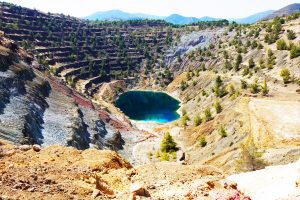
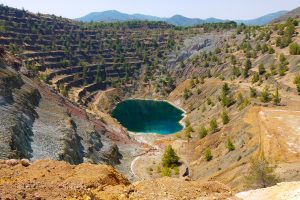
The Limassol-Lefkosia region contains several major fault systems, with the Southern Troodos Transform Fault Zone being the most significant. This fault zone runs along the southern margin of the Troodos ophiolite, the massive block of ocean floor rock that forms the central mountains of Cyprus. The fault is at least 5 kilometers wide in some places and trends east to west across the island. mail-com Transform faults are places where two tectonic plates slide horizontally past each other rather than colliding or pulling apart. The Southern Troodos Transform Fault formed around 90 million years ago on the ocean floor when Cyprus was still underwater. The fault separated two spreading ridges where new ocean crust was being created, much like the…

Read more
Cyprus Ophiolite Complex Geological Study Site

Cyprus Ophiolite Complex Geological Study Site

An ophiolite is a section of ocean floor that has been pushed up onto land where scientists can study it. The word comes from Greek and means "snake rock" because some of these rocks have a scaly, greenish appearance. Most ocean floor stays underwater where it's hard to examine, but ophiolites give geologists a chance to walk on rocks that formed miles beneath the sea. The Troodos Ophiolite covers much of central Cyprus and contains rocks from deep in the Earth's mantle, rocks from magma chambers, and rocks from ancient volcanic eruptions on the seafloor. This complete sequence, all in the right order, makes Troodos one of the most important geological sites in the world. Historical background About 90 to…

Read more
Mesaoria Alluvial Deposits & River Systems of Cyprus

Mesaoria Alluvial Deposits & River Systems of Cyprus

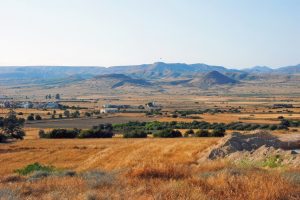
Between the Troodos Mountains in the south and the Kyrenia Range in the north lies a broad plain that has been the agricultural heart of Cyprus for thousands of years. The Mesaoria wasn't always dry land. About one million years ago, this central area was still underwater, an ancient bay that slowly filled with sediments washed down from the surrounding mountains. Today, those sediments form the fertile soils that feed the island, delivered by rivers that flow only in winter and disappear completely by summer. fergusmurraysculpture-com The Mesaoria is a flat plain that extends across central Cyprus from Morphou Bay in the west to Famagusta Bay in the east. The name comes from Greek and means "between the mountains," which…

Read more