




Food and Wine

Subcategories

Explore more specific topics within this collection.

Articles: Food and Wine

Stories in this category and its subcategories.

Cyprus Farming Rhythms and Seasonal Traditions

Cyprus Farming Rhythms and Seasonal Traditions

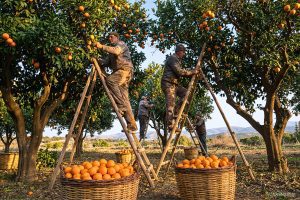
Cyprus agriculture follows ancient patterns shaped by Mediterranean climate and generations of farming wisdom. The island produces diverse crops throughout the year, from citrus fruits and potatoes to grapes and olives. Over 320 sunny days annually create ideal conditions for cultivation, though water scarcity challenges farmers who consume 70% of the island's resources for irrigation. nano-banana Small family farms dominate the landscape despite modernization. Agriculture contributes roughly 2% to GDP while employing 7% of the workforce. The sector supports rural communities and preserves village life across mountainous terrain. Traditional methods blend with contemporary techniques as Cyprus maintains its reputation for quality Mediterranean produce. Ancient Roots Shape Modern Agriculture Farming traditions in Cyprus stretch back to the 2nd millennium BC, with…

Read more

Cyprus Artisanal Sweets

Cyprus Artisanal Sweets

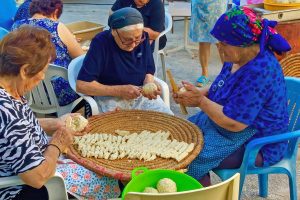
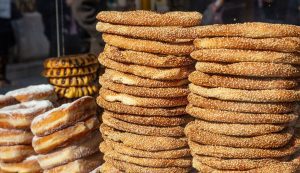
Cyprus has developed a distinctive collection of traditional sweets that reflect centuries of cultural exchange between Greece, the Middle East, and the Mediterranean. These artisanal treats are not luxury items but essential parts of daily life, religious celebrations, and village festivals. shutterstock-com From honey-soaked dough balls to sesame confections and refreshing milk puddings, Cypriot sweets combine simple ingredients with time-tested techniques to create memorable flavors. Each sweet tells a story of the island's agricultural abundance, its position as a crossroads of civilizations, and its commitment to preserving culinary heritage. Historical Context The tradition of sweet-making in Cyprus dates back to ancient Greece and Byzantium. Historical texts reveal that many current recipes have roots in Byzantine-era treats called plakoundes, pemmata, or…

Read more
Ancient Wine Pressing Techniques Cyprus Wineries

Ancient Wine Pressing Techniques Cyprus Wineries

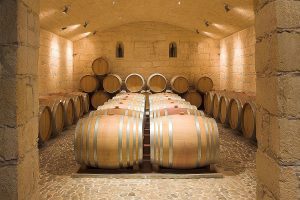
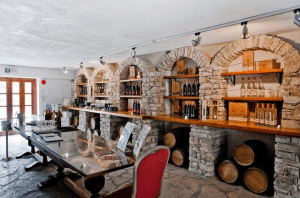
Cyprus holds one of the longest unbroken wine traditions in the world, with archaeological evidence placing winemaking on the island at approximately 5,500 years ago. Pottery fragments discovered at Erimi village and analyzed in 2005 by Italian archaeologist Maria-Rosaria Belgiorno showed traces of tartaric acid, proving that these Chalcolithic period vessels dated between 3500 BC and 3000 BC were used for wine storage. What makes Cyprus unique is not just the antiquity of its wine culture, but the remarkable continuity of production methods that survived for millennia. Historical Background The earliest winemaking in Cyprus relied on simple but effective techniques. Grapes were placed in stone or clay basins where workers trod them with bare feet to extract the juice. A…

Read more
Cyprus Kleftiko Dish

Cyprus Kleftiko Dish

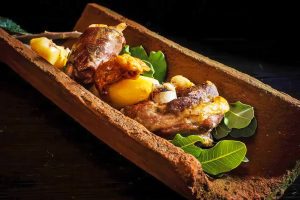
Kleftiko is one of the most recognisable dishes in Cyprus, yet its importance has little to do with flavour alone. This slow-cooked lamb, sealed away from air and fire, tells a story of survival, patience, and rural ingenuity. themediterraneandish-com More than a recipe, Kleftiko reflects how Cypriots adapted to hardship and turned necessity into tradition. Understanding it means understanding why time, restraint, and shared meals still matter deeply on the island. A Dish Built on Secrecy and Time At its core, Kleftiko is lamb or goat cooked slowly in a sealed environment. The defining feature is not the meat itself, but the method. By trapping steam and heat, the meat softens gradually, breaking down until it can be pulled apart…

Read more
Ancient and Modern Cyprus Winemaking

Ancient and Modern Cyprus Winemaking

Cyprus holds a remarkable place in wine history that few other regions can match. This Mediterranean island has been producing wine for nearly 6,000 years, with archaeological evidence placing its first vintages around 3500 BC. solo-spirits com Today, Cyprus stands at an exciting crossroads where ancient traditions meet modern innovation, creating wines that honor the past while embracing the future. Historical Context In 2005, archaeologists made a discovery that changed our understanding of wine history. They analyzed pottery fragments found in the village of Erimi during the 1930s and confirmed these Chalcolithic wine jars dated back 5,500 years. The containers showed traces of tartaric acid, a key component of wine, proving that Cyprus produced the Mediterranean's first wines, predating Greek…

Read more
Trahanas Preserving In Cyprus

Trahanas Preserving In Cyprus

Trahanas is not a soup in the usual sense. It is a solution shaped by necessity. Long before refrigeration, electricity, or supermarkets, Cypriot households needed a way to preserve the abundance of summer milk and turn it into nourishment for the colder, damp months that followed. Trahanas emerged as a practical answer to this challenge, turning perishable ingredients into a stable, nourishing reserve. homeiscyprus-com Tangy, filling, and deeply comforting, trahanas sits at the centre of Cyprus’s food memory not because it is impressive, but because it worked when it mattered most. To eat trahanas is to taste the logic of survival shaped by land, climate, and patience. A Food Designed to Last, Not Impress At its core, trahanas is made…

Read more
Carob Trees Cyprus Black Gold Tradition

Carob Trees Cyprus Black Gold Tradition

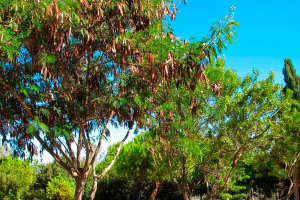
For centuries, the carob tree quietly underpinned life in Cyprus. Long before sugar, tourism, or modern industry reshaped the island, carob sustained rural families economically, nutritionally, and socially. Known locally as “black gold,” it was never glamorous, but it was dependable. In a land shaped by drought, invasion, and uncertainty, the carob tree endured, feeding people, funding villages, and anchoring tradition in the Cypriot landscape. A Tree Built for Hard Conditions The carob tree, Ceratonia siliqua, is perfectly adapted to Cyprus’s dry Mediterranean climate. Its deep roots draw moisture from far below the surface, allowing it to survive long summers without irrigation. Thick, leathery leaves reduce water loss, and slow growth produces a tree that can live for centuries. This…

Read more
Cyprus Honey

Cyprus Honey

Honey in Cyprus is not simply a food product. It reflects landscape, climate, and survival shaped over centuries. Produced mainly in mountain and rural areas, Cypriot honey carries the character of wild thyme, pine forests, citrus groves, and seasonal movement across the island. Long before sugar became common, honey served as the primary sweetener, a form of medicine, and a symbol of hospitality. Its role has never disappeared. Instead, it has evolved alongside changing lifestyles and technologies. thegreekvibe-com An Island That Shapes Its Honey Cyprus’s geography plays a decisive role in how honey is produced. Two mountain ranges, varied elevations, and sharply contrasting microclimates allow flowering to unfold in stages rather than all at once. Coastal plains warm early in…

Read more
Bread Village Baking Traditions Cyprus

Bread Village Baking Traditions Cyprus

In Cypriot villages, bread has never been just food. It is routine, ritual, and social glue, baked in wood-fired ovens that anchor neighbourhood life. From ancient grain cultivation to communal baking days, village bread and pies reflect how Cypriots learned to survive drought, celebrate faith, and care for one another. This article explores how village baking worked, why it mattered, and how these traditions continue to shape Cyprus today. vkcyprus-com Where Daily Life Began: Wheat, Fire, and the Village Hearth For centuries, village life in Cyprus revolved around three constants: wheat, fire, and community. Bread was baked not occasionally, but rhythmically, setting the pace of domestic and social life. In rural areas, meals, hospitality, and even religious observance were structured…

Read more