

Sculpture and reliefs

Articles: Sculpture and reliefs

Stories in this category and its subcategories.

The Cypriot Limestone Kouros

The Cypriot Limestone Kouros

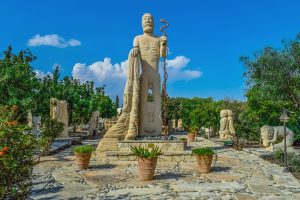
Cypriot limestone “kouroi” are Archaic-era standing male statues that look Greek at first glance but functioned differently, serving mainly as clothed votive figures placed in sanctuaries as lasting representations of worshippers and elite donors. Cyprus’s lack of marble pushed sculptors toward soft local limestone, shaping a calmer, more geometric style that was originally strengthened by bright paint rather than fine anatomy. This article explains how material, ritual purpose, and cross-Mediterranean influence combined to produce a distinctly Cypriot human figure tradition. metmuseum-com Kouros in Name Only The word kouros comes from Greek and refers to youthful male statues that became widespread in the Aegean world during the Archaic period. Greek kouroi are usually nude, carved in marble, and designed to embody…

Read more

Ayia Irini Sanctuary Cyprus

Ayia Irini Sanctuary Cyprus

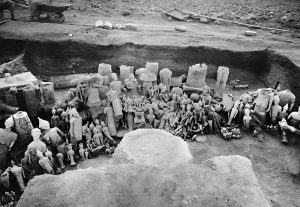
Long before temples, columns, and formal priesthoods defined religious architecture, worship in Cyprus often unfolded in open landscapes shaped by repetition rather than monumentality. The Ayia Irini Sanctuary, once located in the rural northwest of the island near Cape Kormakitis, was one such place. Here, generations of ordinary people left terracotta figures around a simple altar, gradually forming a permanent gathering of votive statues facing the divine. Though the site itself is now quiet and largely unmarked, Ayia Irini remains one of the clearest windows into how faith, identity, and daily life intertwined in ancient Cyprus. talanews-blogspot-com A Sacred Place Without a Monument Ayia Irini was not built to impress. It lacked the architectural grandeur of later urban temples and…

Read more