The Tall Green Spires of Cyprus Hills

4 minutes read See on map

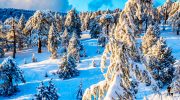
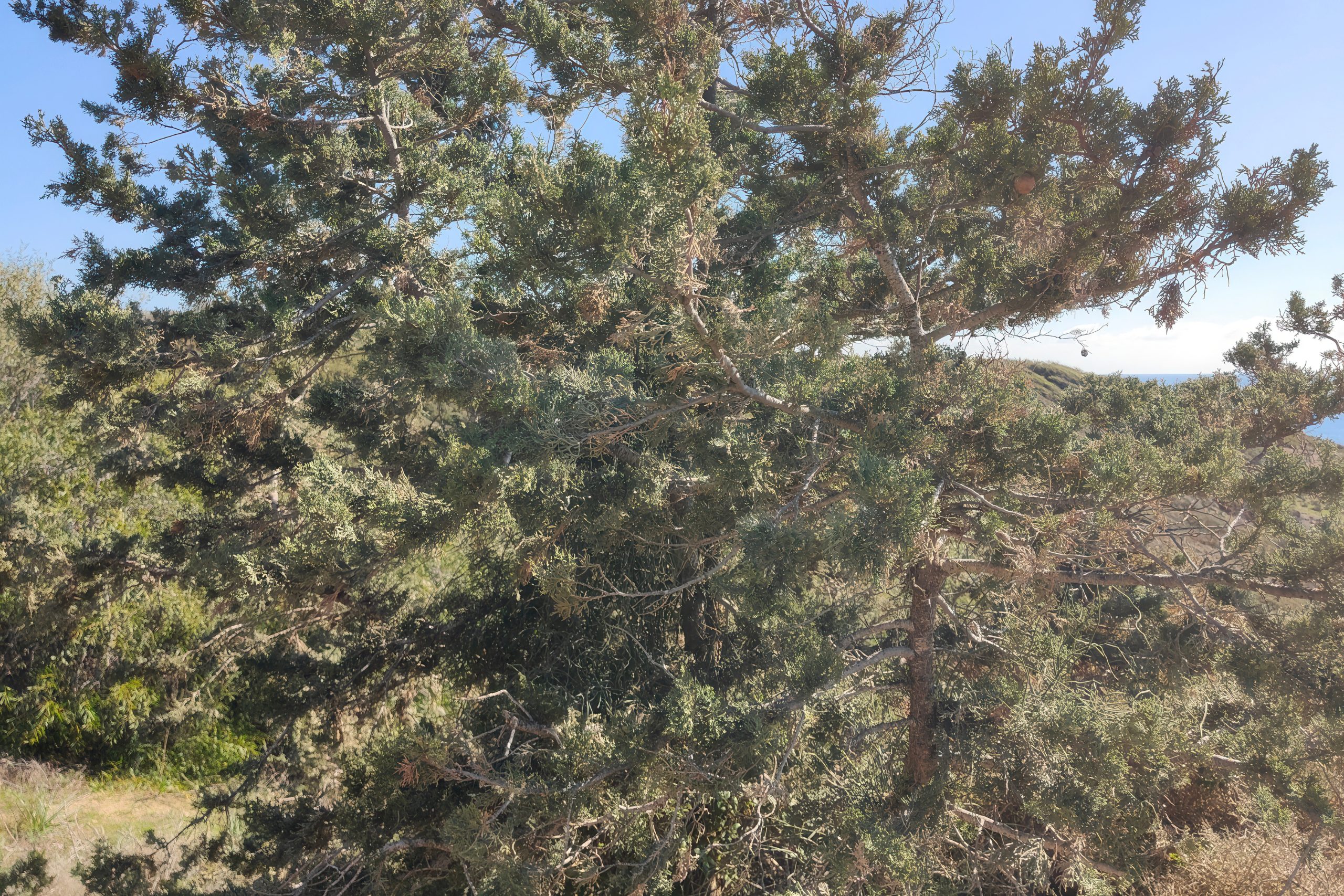
High on limestone slopes and along quiet village paths, tall, dark-green columns rise like living sentinels against the blue Mediterranean sky. Their narrow, flame-shaped crowns and fragrant wood have offered shade, shelter and symbolism to Cypriots for thousands of years. This is the Mediterranean cypress, Cupressus sempervirens – Cyprus’s own elegant guardian of roads, churches, monasteries and mountain passes.
www.inaturalist.org

A Classic of the Cypress Family

Known scientifically as Cupressus sempervirens, this evergreen conifer belongs to the genus Cupressus within the Cupressaceae family in the order Pinales. It is the only native cypress in Cyprus and shows remarkable variation: the strict upright var. sempervirens (pyramidal form) and the spreading var. horizontalis. Both forms are fully indigenous and part of the island’s natural heritage.

Ancient Companion of Cyprus Forests

Cypresses formed part of the dense primeval forests that covered Cyprus 10,000 years ago. Greek mythology tells how the youth Kyparissos, grieving for a deer he accidentally killed, was transformed by Apollo into this very tree – making the cypress a timeless symbol of mourning and eternity. In 2002 it was honoured as Tree of the Year, celebrating its beauty, durability and high ecological value.

Distinctive Features That Define It

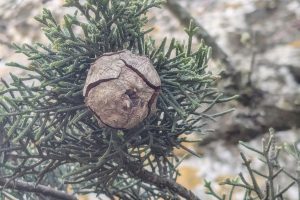
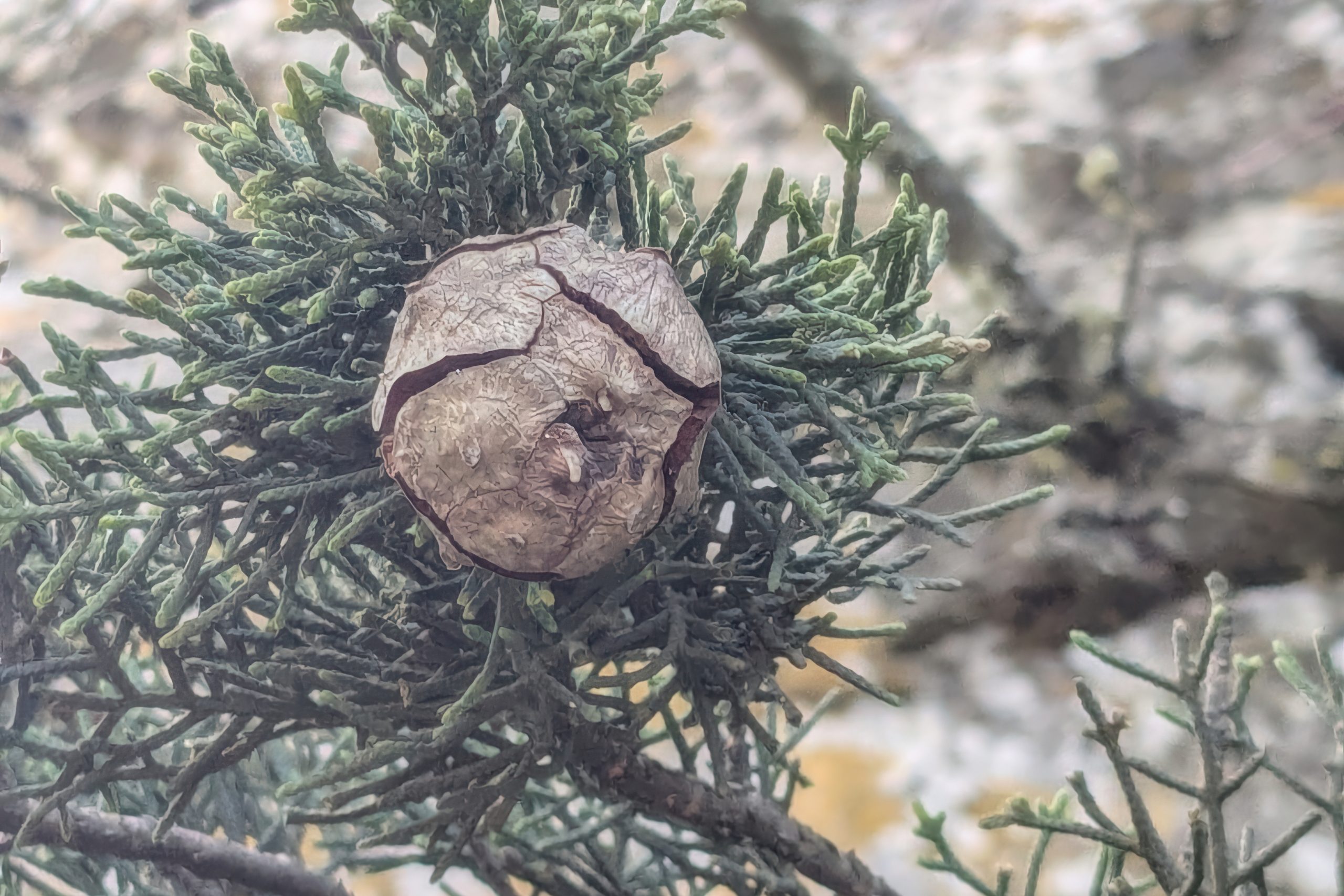
The Mediterranean cypress reaches 15–30 metres in Cyprus, with a narrow conical or columnar crown. Its tiny, scale-like leaves are dark green, aromatic and overlap like tiles on the branchlets. The reddish-brown bark is fibrous, while the small woody cones (2–3 cm) ripen from green to brown and persist on the tree. The upright form lines roads and cemeteries; the horizontal form feels more “wild” on rocky slopes.
www.inaturalist.org

Five Delightful Tidbits

  • In Cypriot Greek it is called Κυπαρίσσι (Kiparissi) – a name almost unchanged since ancient times.
  • Its wood is wonderfully scented and durable; ancient Cypriots used it for ships, coffins, temple doors and furniture.
  • Small natural stands exist in Lagoudhera, Kyparissia (Limassol Forest), Avakas Gorge (Akamas), Panayia and Kathikas villages.
  • Gigantic protected specimens include the 28-metre-tall tree in Nisou village – one of Cyprus’s living monuments.
  • It is listed as Least Concern on the IUCN Red List and remains secure and common across the island.

Deeper Layers of Beauty and Ecology

Pure natural cypress forests are not widespread, but they have high ecological value and are protected within Cyprus’s Natura 2000 network. The tree thrives from sea level to 1,200 m, mainly on limestone soils, often forming beautiful mixed stands with Pinus brutia on the northern Pentadaktylos range. It is widely planted for decoration, windbreaks and reforestation because of its drought tolerance and ability to stabilise slopes. Its resin was used in ancient embalming, and the leaves, bark and fruit have traditional medicinal properties.

Still Standing Tall in Cypriot Life Today

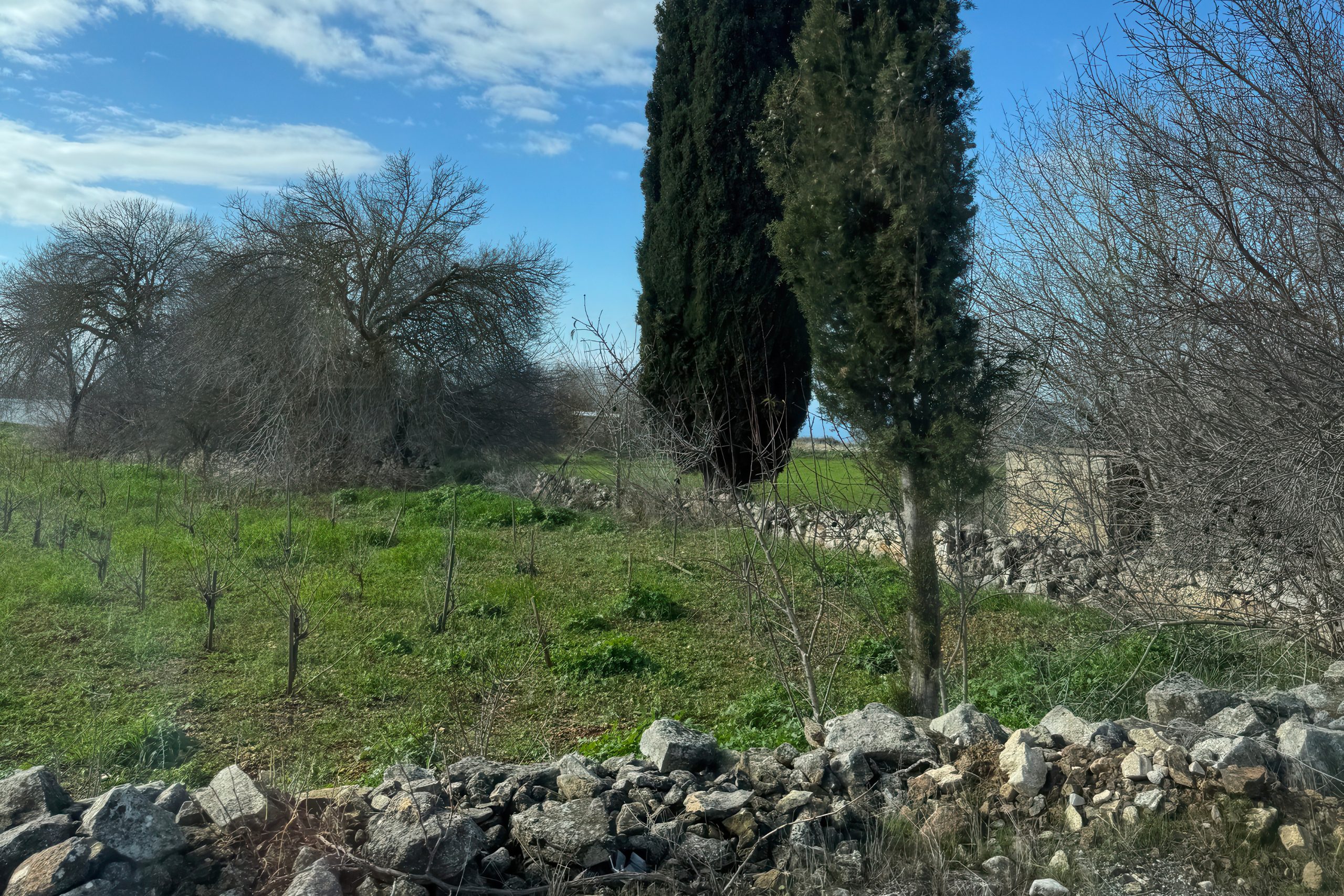
Today the cypress remains one of the most recognisable trees of the Cypriot landscape – framing village churches, lining country roads and standing sentinel in cemeteries as a symbol of everlasting memory. It continues to be planted in restoration projects, while ancient monumental specimens are carefully protected. In our warming climate its drought tolerance and windbreak qualities make it more valuable than ever.
www.inaturalist.org

Finding and Experiencing the Cypress

The best places to admire these elegant spires are the dense cypress-pine forests of the Pentadaktylos, the scenic roads around Troodos, and the famous cypress avenues near monasteries and villages such as those around Paphos and Limassol. Visit the beautiful natural stands in Avakas Gorge (Akamas) or the mixed forests near Lagoudhera. The majestic 28-metre tree in Nisou village is well worth a stop. Summer reveals the deep green contrast against golden grasses; winter highlights the persistent cones. Walk any quiet mountain path – you will feel the calm, fragrant presence of these ancient guardians.

A Living Symbol of Cyprus

In the end, the Mediterranean cypress is far more than a handsome tree. It is Cyprus’s living symbol of endurance, beauty and cultural heritage – a quiet thread that connects ancient myths, dense primeval forests and the timeless Mediterranean landscape we all love. Next time you drive past a row of tall green spires or rest in their cool, scented shade, remember you are standing beside one of Cyprus’s most faithful and elegant companions, right here on our beautiful island home.
Discover more about the fascinating edges of Cyprus

Whispers from the Wild Stalks

Whispers from the Wild Stalks

Imagine wandering through the sun-drenched fields of Cyprus, where a plant towers like a sentinel from ancient myths, its yellow blooms catching the breeze. This article invites you on a gentle journey to discover the giant fennel, a resilient Cypriot native that bridges legends of fire-thieves and hidden fungal treasures, leaving you pondering the quiet wonders hidden in everyday landscapes. www.inaturalist.org A Gentle Giant's Greeting The giant fennel, known scientifically as Ferula communis, is a member of the vast carrot family, Apiaceae, which includes familiar herbs like parsley and dill. It's a perennial plant that dies back each summer only to burst forth anew, standing tall in open meadows and reminding us of nature's enduring cycles in the Mediterranean world. Echoes from Mythical Times In the mists of ancient history, giant fennel played starring roles in Greek legends that echoed across the sea to Cyprus. Prometheus, the daring Titan, famously hid stolen fire from the gods inside its hollow stem to gift humanity warmth and light. Followers of Dionysus, the god of wine and revelry, wielded staffs made from its stalks wrapped in ivy and topped with pine cones as symbols of joy and fertility during ecstatic festivals. www.inaturalist.org On Cyprus itself, historical accounts from 19th-century explorers describe locals crafting stools and decorative items from its sturdy wood, a practice…

Read more
The Sweet Shade of Cyprus Villages

The Sweet Shade of Cyprus Villages

In the warm afternoons of a Cypriot village, nothing feels more welcoming than the broad, lobed leaves of an old fig tree spreading cool shade over a stone courtyard. Heavy, pear-shaped fruits hang just out of reach, promising sweetness when they ripen to deep purple or golden brown. This is Ficus carica, the common fig, a tree woven into the island’s daily life and ancient stories for over ten thousand years. www.inaturalist.org A Noble Member of the Mulberry Family Scientifically known as Ficus carica, the common fig belongs to the genus Ficus within the Moraceae family (the mulberry or fig family) in the order Rosales, part of the broader rosid group of flowering plants. In Cyprus it grows both as a cherished cultivated tree in gardens and orchards and as a naturalised or indigenous plant in rocky places and abandoned fields. From Eden to Cypriot Hillsides Figs were among the first plants domesticated by humans, with remains found in the Jordan Valley dating back 11,400 years. In Cyprus the tree has been part of the landscape since at least the Neolithic period and is listed as indigenous in the Flora of Cyprus database. The Bible gives it special prominence: after eating the forbidden fruit, Adam and Eve “sewed fig leaves together and made coverings for themselves” (Genesis 3:7). Because the…

Read more
Pistacia Atlantica

Pistacia Atlantica

High on rocky hillsides where the Mediterranean sun bakes the earth, a sturdy, wide-crowned tree stands like an ancient sentinel. Its twisted trunk oozes fragrant resin, and in autumn its golden leaves and clusters of red-to-black fruits light up the landscape. Meet the wild pistachio, a true survivor and one of the quiet heroes of Cyprus’s native woodlands. wikimedia.org A Proud Member of the Cashew Family Scientifically known as Pistacia atlantica, this deciduous tree belongs to the genus Pistacia within the Anacardiaceae family – the cashew or sumac clan, which also includes the closely related mastic tree (Pistacia lentiscus), another iconic native of Cypriot maquis. Both species thrive in the island’s dry, rocky slopes and garigue, sharing the family’s trademark resin canals and compound leaves. Ancient Roots in Cyprus Landscapes Wild pistachios have been part of Cyprus since prehistoric times, forming part of the original maquis vegetation alongside carobs and olives. Ancient settlements like Tremithounta took their name from the tree (tremithos), and its resin called “Paphitiki pissa” or Cyprus turpentine was chewed as natural gum and traded across the Mediterranean. wikimedia.org British foresters in the 19th century recorded it in degraded shrublands, while today one of the island’s oldest living trees, estimated at over 1,500 years, still shades a village square as a protected natural monument. Distinctive Features That…

Read more