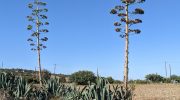
Stand on a rocky hillside in southern Cyprus at the end of a long, dry summer and you may suddenly notice a giant green starburst on the slope. Then, one day, a towering stalk shoots skyward like a living flagpole, topped with a candelabra of creamy-yellow flowers. This is the agave of Cyprus a dramatic New-World succulent that has quietly become one of the island’s most eye-catching landscape characters.
Meet the Agaves
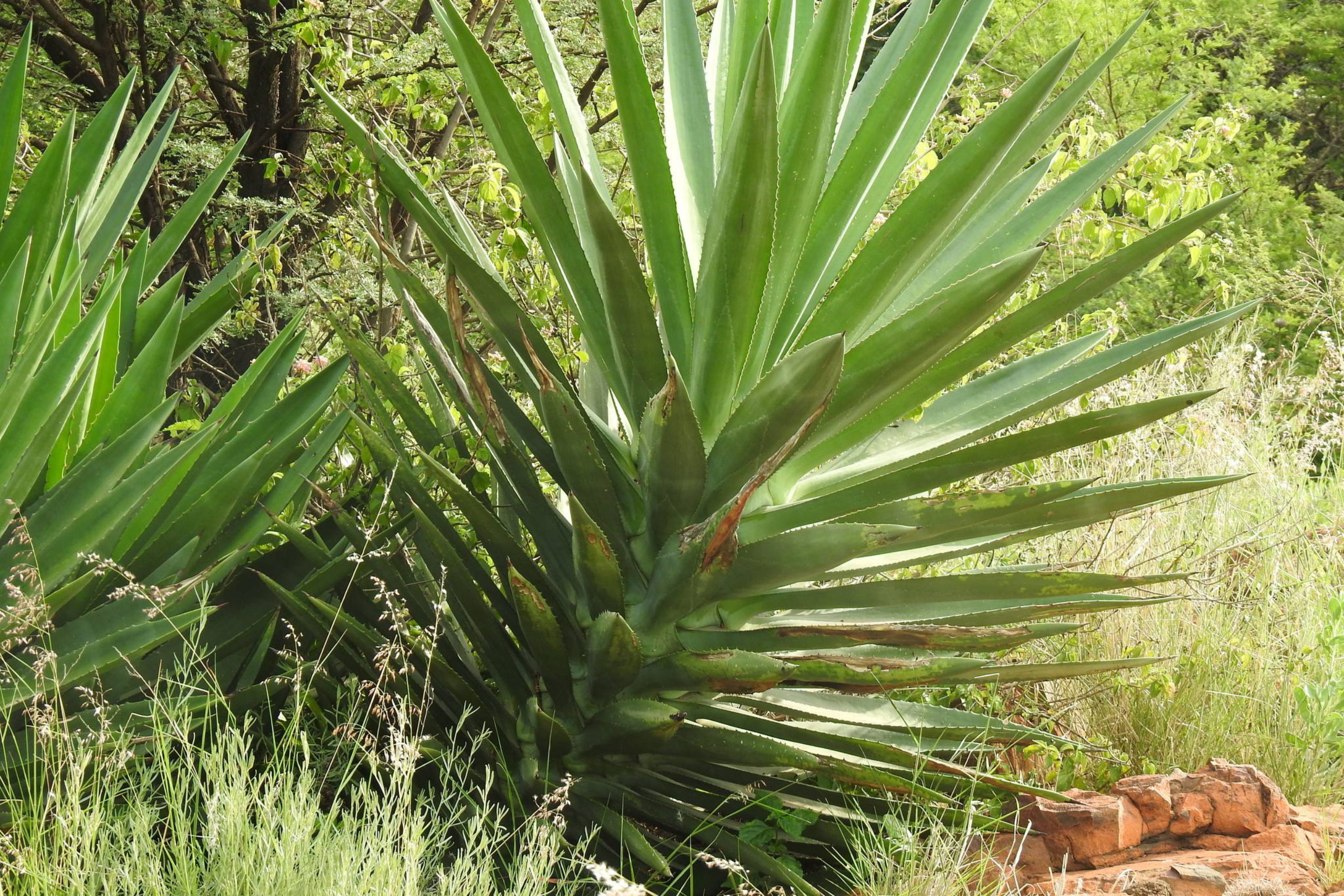
Agaves belong to the asparagus family (Asparagaceae), in the subfamily Agavoideae. These are tough, rosette-forming succulents perfectly built for arid life. The genus Agave contains around 200 species, nearly all native to the deserts and dry hills of Mexico, the southern United States and Central America. In Cyprus the two most common are Agave americana (the century plant or American aloe) and Agave sisalana (sisal agave).
Gardeners also grow several other attractive species, including the graceful, almost spineless Agave attenuata (foxtail agave) with its soft, arching leaves and the compact, fiercely spiny Agave stricta. Locally they are known as Αγαύη (Agávi), a direct borrowing of the scientific name, which comes from the ancient Greek agauós “admirable” or “noble” a perfect description for their striking, architectural form. Some older Cypriots in Greek-speaking areas still call the spikiest ones Αλάς (Alás), perhaps a folk name evoking the sharp, sword-like leaves.
How They Crossed the Oceans
Agaves reached Europe in the mid-1500s after Spanish explorers brought them back from Mexico. They quickly became fashionable in Mediterranean gardens for their drought tolerance and dramatic looks. In Cyprus they arrived later, most likely during the British period (1878 onwards), planted as ornamentals in town gardens, around villas and in cemeteries especially in Turkish Cypriot communities where they still mark graves today.
Agave sisalana was also tried for fibre production (sisal rope and twine), though never on a large commercial scale here. Over the decades both species escaped cultivation and now dot rocky slopes, coastal cliffs, roadsides and abandoned fields across the island.
Their Striking Form
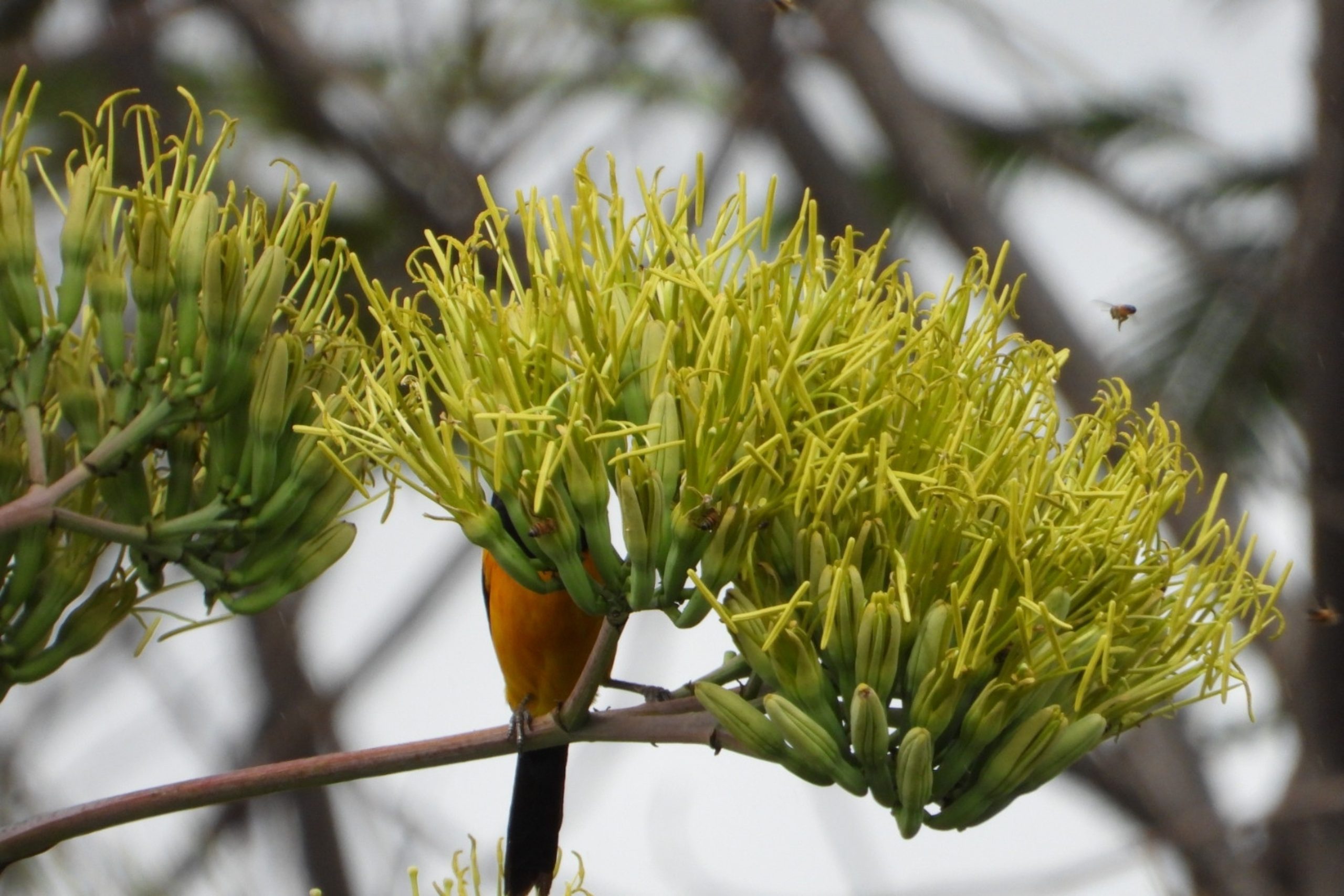
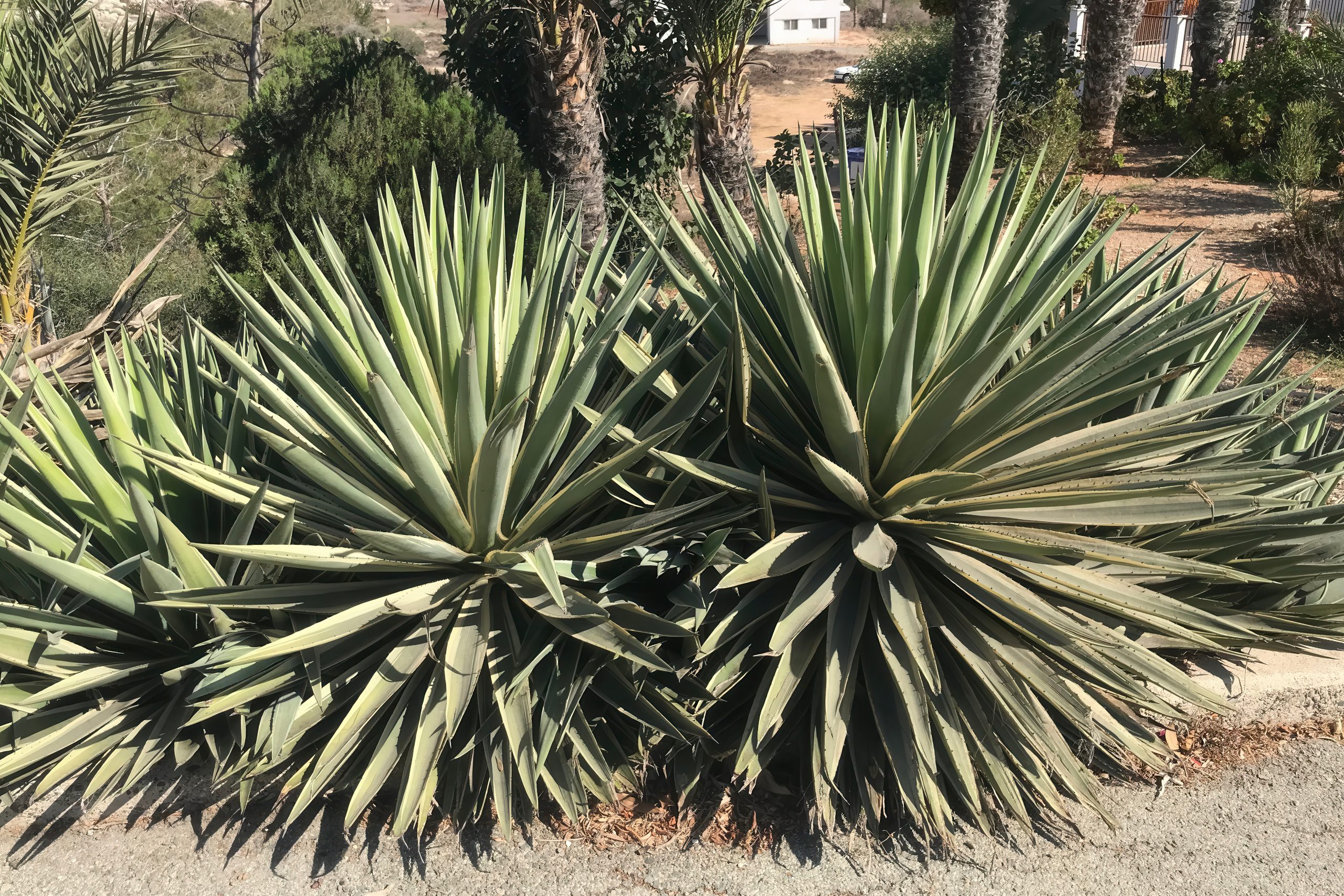
Agave americana forms a massive, ground-hugging rosette up to 2 m across, with thick, fleshy, blue-green leaves edged with fierce, hooked spines and ending in a long, sharp terminal spine. The leaves are rigid and sword-shaped, perfectly designed to store water and deter hungry animals. After 10–30 years (not a full century!), the plant sends up a single, spectacular flowering stalk 5–10 m tall, branched like a giant candelabra. The flowers are greenish-yellow and tubular, opening at night to attract bats and moths in their homeland. Once it flowers, the main rosette dies – but it leaves behind a ring of baby plantlets (offsets) at the base. Agave sisalana is similar but has smoother, spineless margins on the leaves and is often a bit smaller and more upright.
Wonderful Surprises
- The “century plant” name is a myth – most live only 10–30 years before flowering, though some cultivars take longer.
- The tall flower stalk can grow up to 15 cm a day when it finally decides to bloom – a race against time!
- In Mexico, related agaves give us tequila and mezcal; the roasted hearts (piñas) are fermented and distilled.
- Agaves are monocarpic – they flower once and die, but the offsets carry on the family line, making them excellent colonisers.
- The sharp spines were once used by indigenous peoples as needles, and the fibres for rope and cloth – hence sisal plantations worldwide.
A Little More Depth
Both species thrive in Cyprus’s Mediterranean climate because they use CAM photosynthesis – opening their pores at night to save water. They need almost no care once established and are popular in modern xeriscaping and “dry gardens”. Agave sisalana is still grown in a few private gardens for its handsome form and historical interest. Neither species is considered seriously invasive on the island (unlike some wattles or eucalypts), though they can spread slowly on disturbed rocky ground. They are not listed as threatened on the IUCN Red List; they are widespread and successful introductions.
Part of Cypriot Life Today
In our warming, drier climate, agaves remind us how beautifully plants from far-away deserts can fit into Cyprus’s rugged landscape. You will see them framing village entrances, lining dry-stone walls, and standing sentinel on sea cliffs. They add dramatic structure to gardens and public spaces, and their towering flower spikes become local talking points every few years. Conservation projects focus on native plants for hedgerows, yet agaves continue to earn their place as low-water, low-maintenance beauties that help us garden more sustainably.
Finding and Feeling Them
The best places to experience agaves are easy and rewarding: drive the coastal road between Limassol and Paphos, or wander the rocky paths around Cape Greco, Akrotiri or the Karpas peninsula. Look for them on sunny, south-facing slopes and old terraces. In spring and early summer the huge green rosettes stand out against the golden grasses; later, the giant flower towers are impossible to miss. Park safely, approach carefully (those spines are no joke!), and run your hand gently along a leaf – feel the waxy, cool surface and the surprising weight. Stand beneath a flowering stalk on a breezy day and listen to the faint rustle high above. Many old cemeteries still have fine specimens, and public botanical collections in Nicosia or Limassol often feature them too.
Why Agaves Belong in the Story
Though they crossed oceans only a few centuries ago, agaves have become true characters of the Cypriot countryside – living sculptures of resilience in a land that knows drought and sun. They teach us that beauty and toughness can arrive from anywhere, and that a thoughtful introduction can enrich our landscape without overwhelming it. Next time you spot one standing tall against the blue sky, remember: this “admirable” plant is quietly celebrating Cyprus’s long tradition of welcoming green travellers and making them feel at home.