Explore Cyprus with Our Interactive Map

Explore our top stories and discover ideas worth your time.

Best Villages to Visit in Cyprus

Best Villages to Visit in Cyprus

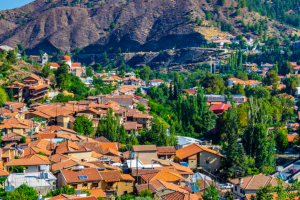
Cyprus villages offer something that coastal resorts cannot provide: the authentic rhythm of island life unchanged over centuries. Stone houses, narrow cobbled streets, old churches, local tavernas, and village squares where elderly men sip coffee define these settlements. Most sit within the Troodos mountain range or on its foothills, where cooler temperatures and fertile land shaped communities for millennia. Shutterstock-com Unlike sanitized tourist attractions, these villages remain lived in places where generations of the same families have stayed. Each settlement carries its own character, from lace making Lefkara to wine country Omodos to the perfectly preserved ghost village of Fikardou. A visit to even one of these places reveals more about Cyprus than a week spent on any beach. Lefkara and the lace that reached Leonardo da Vinci Lefkara divides into upper Lefkara and lower Lefkara, both offering stone architecture and peaceful streets on the southern slopes of the Troodos Mountains. The name combines the Greek words lefka meaning white and ori meaning hills. The village is internationally famous for lefkaritika, intricate handmade lace with patterns inspired by nature and environment. Local women sit outside their homes working these patterns using techniques passed through generations, a sight that has remained unchanged for centuries. Shutterstock-com Historical accounts claim Leonardo da Vinci visited Lefkara in 1481 to purchase a tablecloth for Milan…

Read more
Waterfront Streets of Cyprus

Waterfront Streets of Cyprus

Cyprus waterfront streets stand as living examples of Mediterranean coastal architecture. These narrow lanes wind between stone homes and harbors where fishing boats bob in the water. The combination creates a picture that has defined Cypriot coastal life for centuries. The architecture reflects practical needs adapted over generations, with thick stone walls built to withstand salt air and coastal weather. Shutterstock-com Fishermen positioned their homes steps from the water, creating communities where daily life revolved around the sea. Today these streets preserve traditional building methods and materials while continuing to function as active neighborhoods. The stone structures, colorful boats, and winding pathways offer a direct connection to Cyprus's maritime heritage. Waterfront Architecture in Cyprus The relationship between Cyprus and the sea dates back thousands of years. Ancient ports like Paphos served as vital trade centers connecting the Mediterranean world. By the Bronze Age, Cypriot coastal settlements had already established sophisticated harbor systems. The Romans later expanded these facilities, recognizing the strategic importance of Cyprus as a maritime hub between Europe, Asia, and Africa. In-Cyprus-com Traditional waterfront architecture developed from practical necessity. Fishermen built their homes close to harbors where they moored their boats. Stone became the material of choice, quarried from the island's abundant limestone deposits. These structures were designed to withstand salt air and coastal weather. The proximity of…

Read more
Famagusta Cultural Heritage Museum Cyprus Europe

Famagusta Cultural Heritage Museum Cyprus Europe

The Famagusta Cultural Heritage Museum stands as a solemn witness to one of Cyprus's most painful chapters. Built in 1998 on the edge of the United Nations buffer zone in Deryneia, this center offers visitors a rooftop view across barbed wire into Varosha, the abandoned resort district that has remained frozen in time since August 1974. pixabay-com The Cultural Centre of Occupied Famagusta operates as both a museum and an observation point. The facility houses a multipurpose room where visitors watch audiovisual presentations about Famagusta before the 1974 Turkish invasion, when it served as the island's premier tourist destination and cultural hub. The museum displays photographs, posters, and artifacts documenting daily life in Famagusta when the city was home to 40,000 residents. Historical Background Deryneia village sits 2 kilometers south of Famagusta, positioned directly on the dividing line that has split Cyprus since 1974. The village lost approximately 75% of its territory to the Turkish occupation, including the lower part of the settlement known as Kato Deryneia and most of its agricultural land. Before 1974, residents could walk to the sea in minutes. After the invasion, barbed wire and military posts blocked their access. serene-property-com The village population includes about 1,000 refugees who fled from other areas during the invasion and settled in Deryneia. Another 3,000 former residents of Kato…

Read more