Brachychiton (Bottletrees)

4 minutes read 3 views See on map

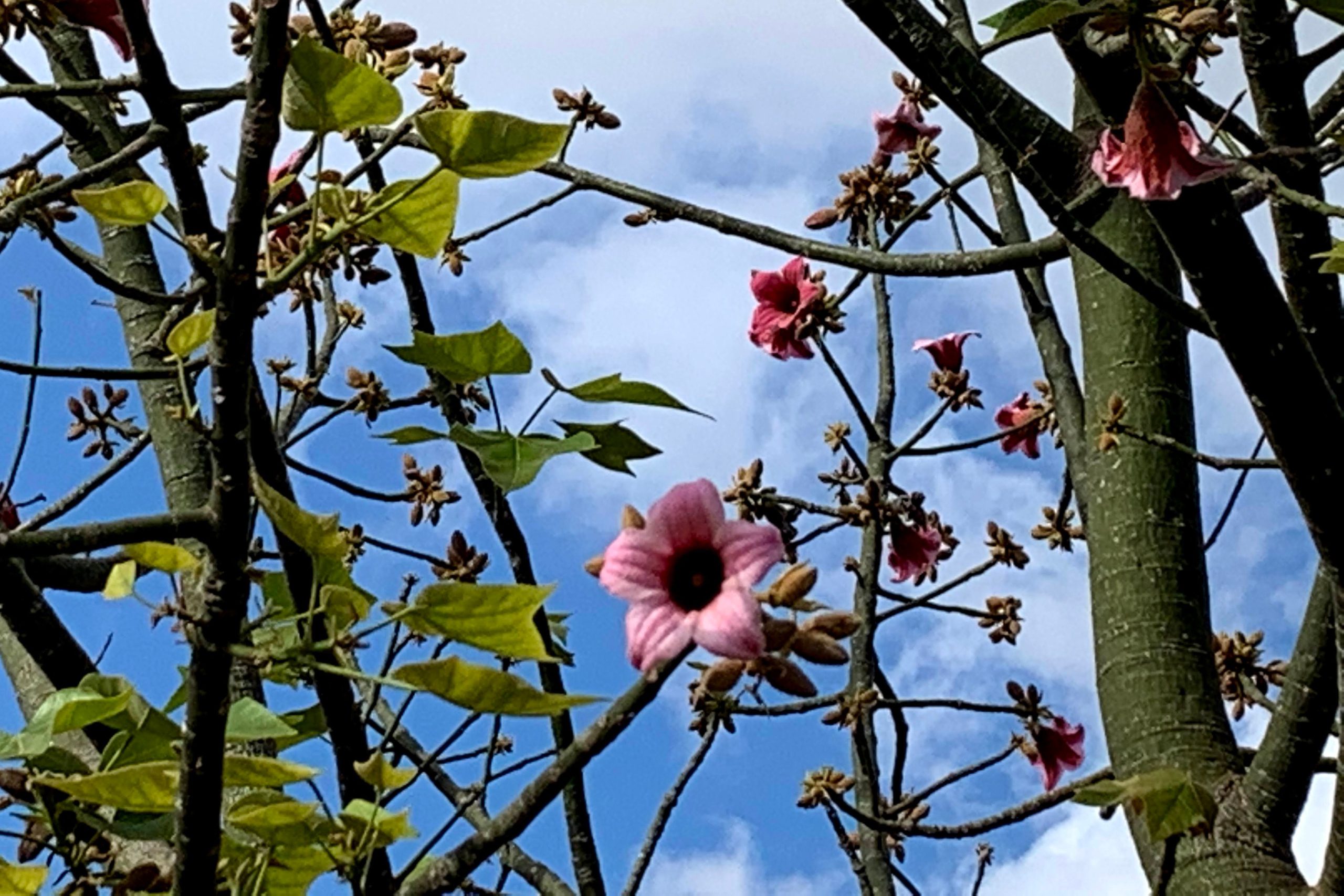
Imagine strolling through a sunlit park in Limassol or Nicosia when suddenly a tree bursts into vivid scarlet flowers, turning the branches into a living flame against the blue sky. These are the Brachychiton trees — Australian visitors that add a splash of dramatic color to our island’s gardens and streets, whispering tales of distant lands.
Konstantin-Solovev

Bottle-Shaped Beauties

Brachychiton trees are part of the vast Malvaceae family, the same group that gives us cotton, hibiscus, and cacao – plants known for their showy flowers and useful fibers. In Cyprus, they are tall, sturdy trees often grown for their striking looks and shade, fitting right into our warm, dry climate like old friends from afar.

From Australian Bush to Cypriot Shores

These trees first took root in the wild bushlands of Australia millions of years ago, evolving alongside kangaroos and koalas in a continent shaped by ancient isolation. They arrived in Cyprus during the British colonial era around the early 20th century, planted as hardy ornamentals to beautify towns and provide quick-growing shade, much like the eucalypts that came before them. Today, they stand as quiet reminders of how human wanderings have blended the world’s green treasures.
Konstantin-Solovev

Swollen Trunks and Scarlet Spectacles

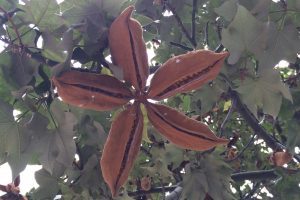
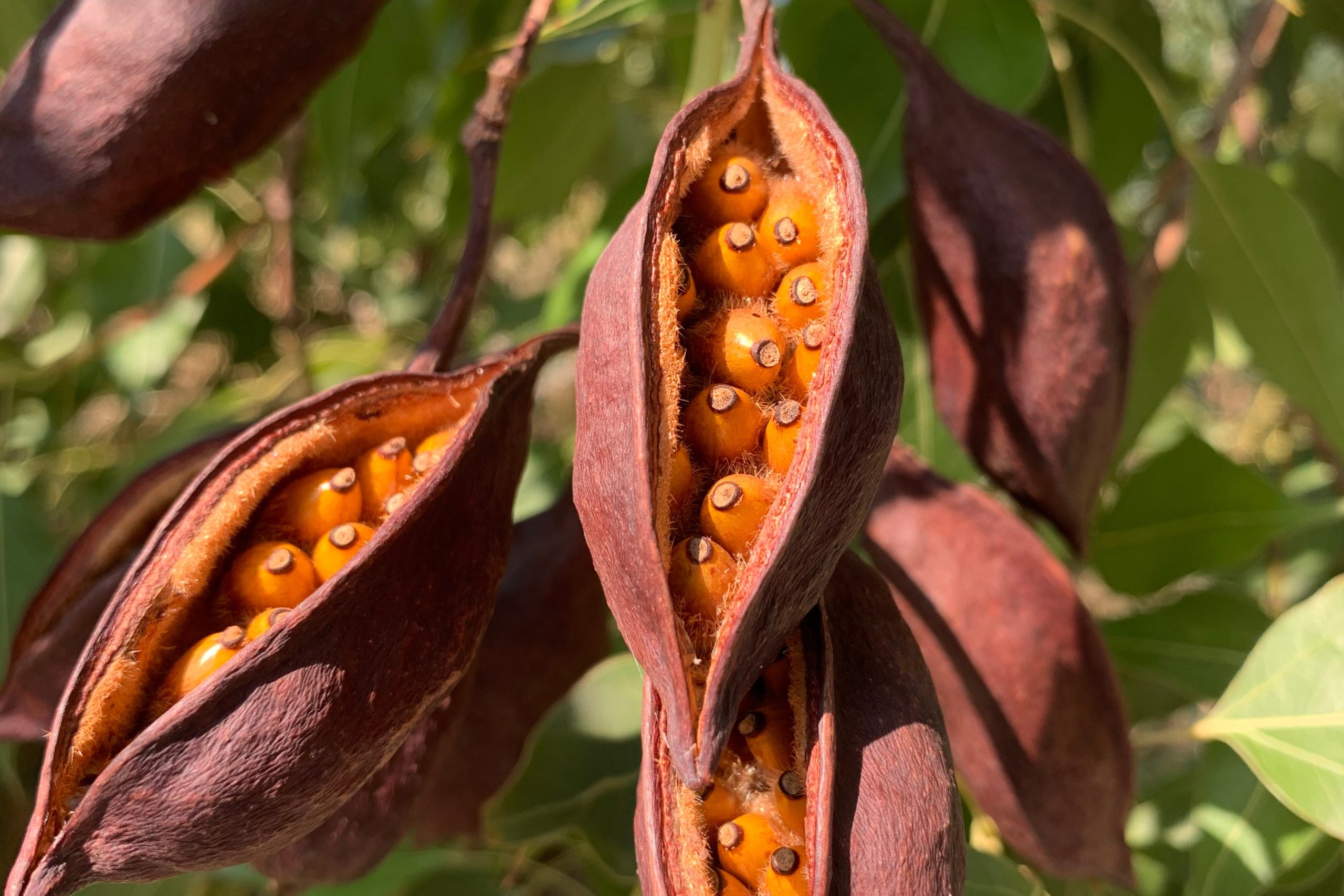
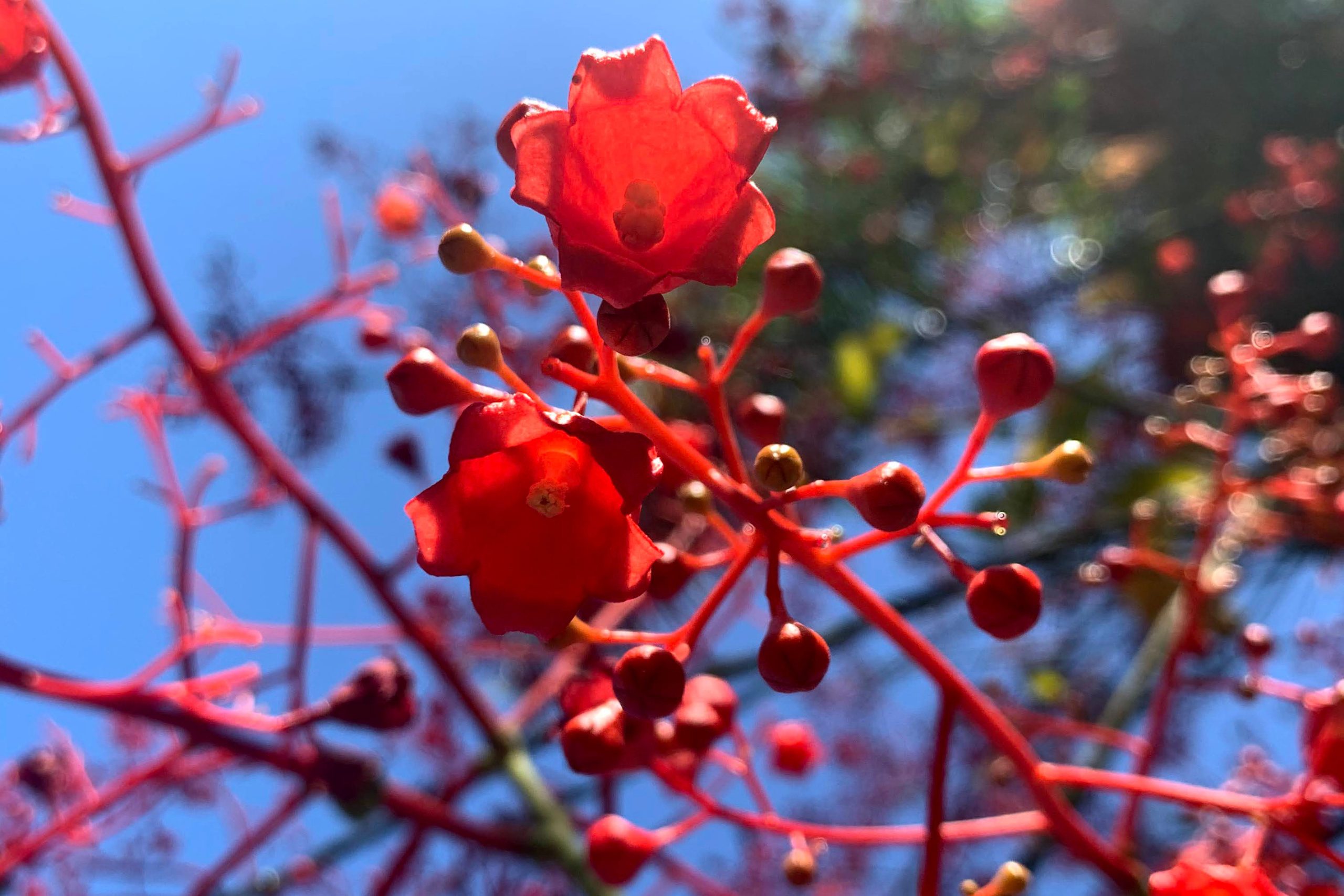
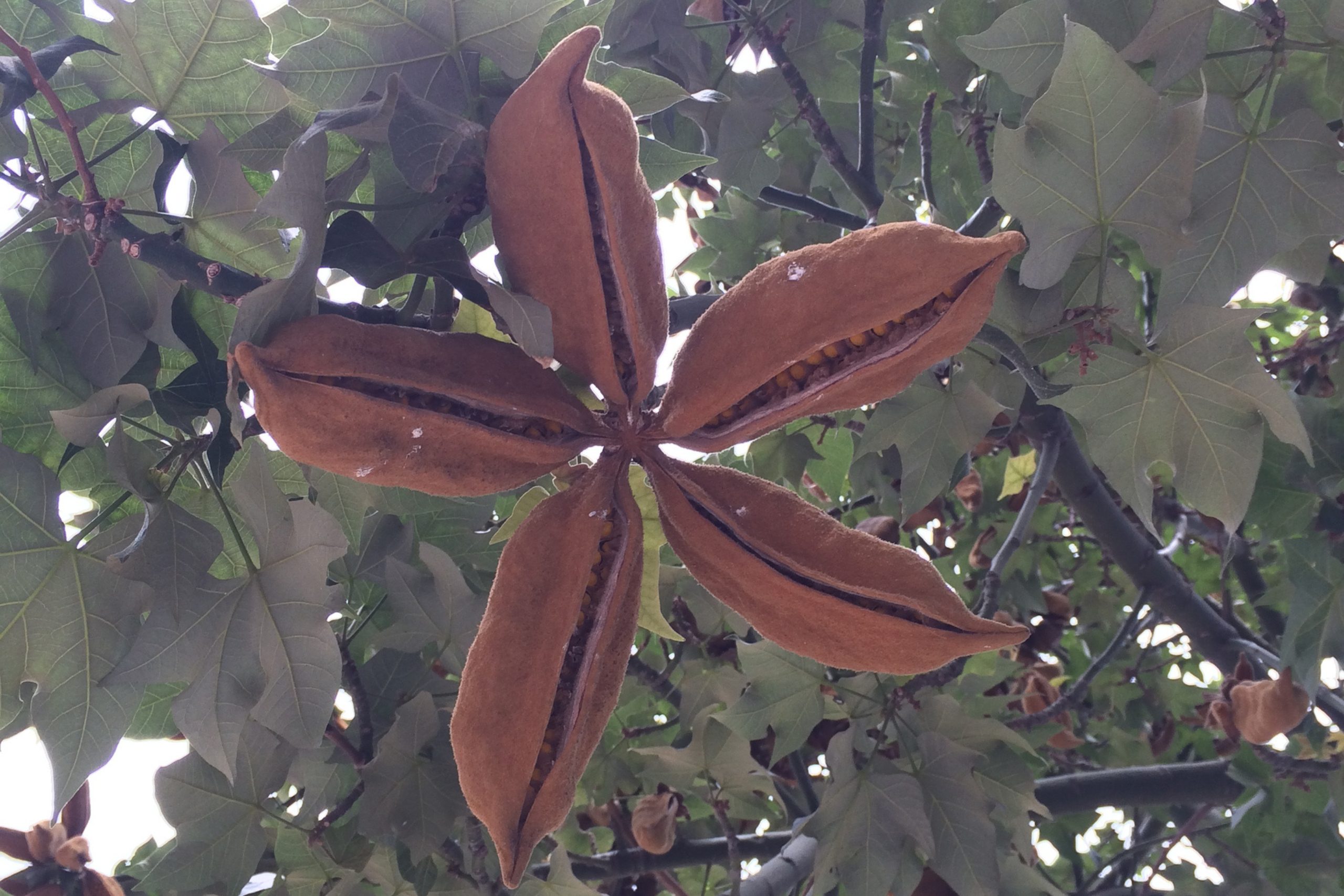
What makes Brachychiton stand out is their bottle-shaped trunks, swollen at the base like natural water tanks to store moisture during dry spells. Leaves vary from maple-like to narrow and lance-shaped, but the real show comes in spring when clusters of bell-shaped flowers erupt in bright red or pink, followed by woody pods filled with fluffy seeds. The most common here, Brachychiton populneus, grows up to 20 meters tall with a smooth, greenish bark that peels away like old wallpaper.

Whimsical Wonders

  • The swollen trunk isn’t just for looks – it can hold enough water to help the tree survive droughts, like a built-in camel hump for plants!
  • Birds and bats go crazy for the nectar-rich flowers, turning the tree into a buzzing aerial buffet during bloom time.
  • The seeds are covered in irritating hairs that can make you itch like crazy if handled – nature’s way of saying “hands off” to hungry animals.
  • In Australia, Aboriginal peoples roasted the seeds as a nutty snack, and the fibers made strong ropes for tools and baskets.
  • One species, Brachychiton acerifolius, sheds all its leaves before flowering, creating a bare tree suddenly ablaze with red – like a fireworks show in broad daylight!
Konstantin-Solovev

Diving a Bit Deeper

Within the broader Rosid clade of flowering plants, Brachychiton species have adapted to fire-prone habitats, with thick bark that protects them from flames. In Cyprus, they’re often called Μπραχυχίτωνας (Brachychitonas), a direct nod to the scientific name meaning “short tunic,” referring to the flower structure. None of the common species here are endangered; Brachychiton populneus is listed as Least Concern by the IUCN, thriving in its native range and beyond.

A Modern Touch of the Outback

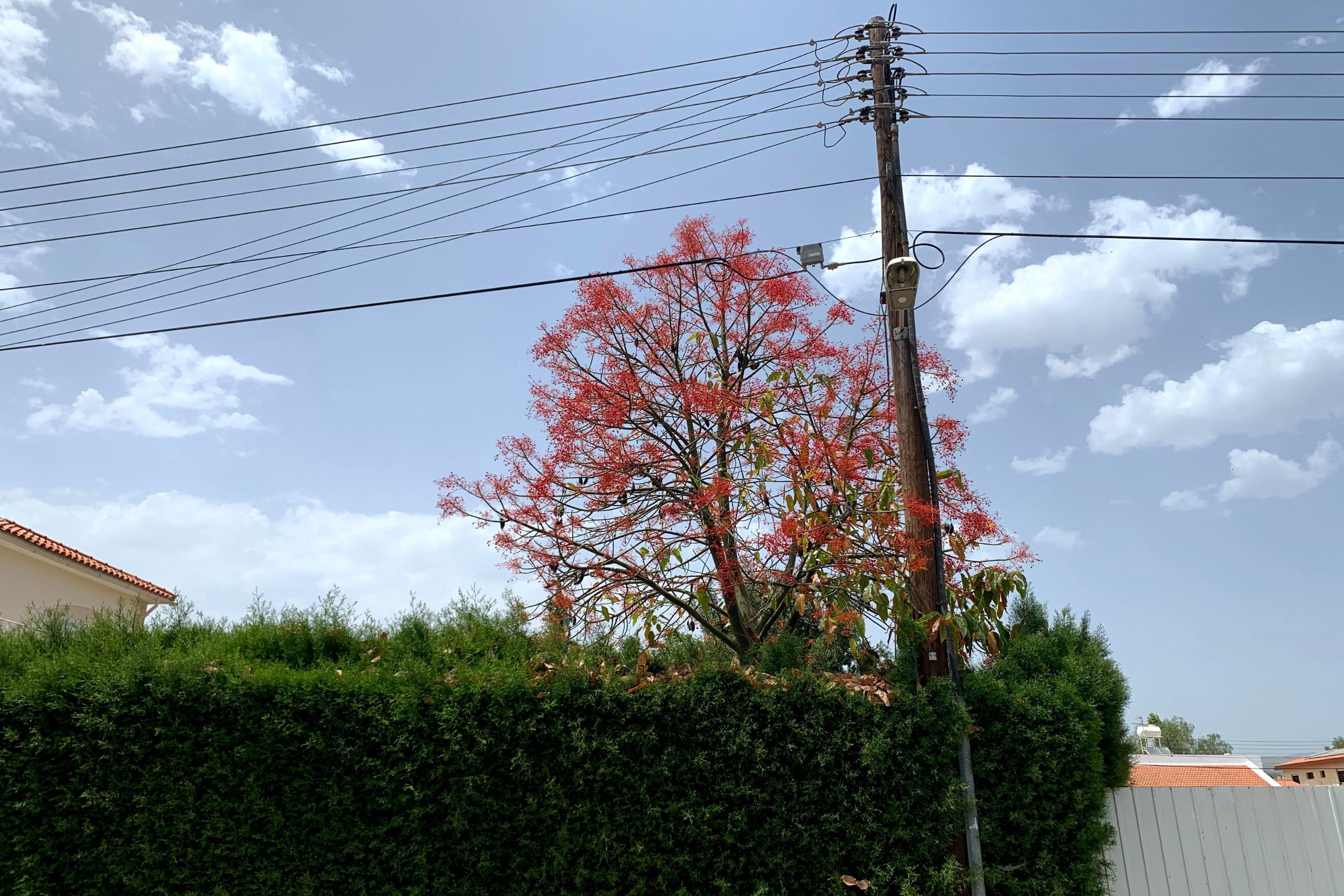
In today’s Cyprus, Brachychiton trees help combat urban heat by providing generous shade in parks and along roadsides, fitting into our efforts to green cities amid climate challenges. They’re also stars in regenerative projects like LIFE-ArgOassis, where their drought tolerance aids in restoring degraded lands, blending Australian resilience with our island’s push for sustainable landscapes.
Konstantin-Solovev

Chasing the Flames

You can spot Brachychiton trees in public gardens across Nicosia, Limassol, and Paphos, or even in private yards where they’ve been planted for generations. Visiting during spring bloom feels like discovering a hidden festival – the air hums with bees, and the vibrant colors create perfect photo spots for a family outing or a peaceful picnic under their wide canopy.
Konstantin-Solovev

Why These Aussies Belong Here

Though they crossed vast oceans to reach us, Brachychiton trees enrich Cyprus’s diverse flora, teaching us about adaptation and beauty in a changing world. They remind us that our island’s wildlife is a vibrant mosaic of global journeys, fostering a deeper appreciation for the natural connections that make Cyprus a living treasure trove.
Explore our top stories and discover ideas worth your time.

Purple Haze Over Cypriot Streets

Purple Haze Over Cypriot Streets

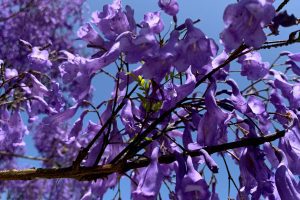
Drive through the avenues of Limassol or Nicosia in late April and you may feel you have stepped into a dream: entire streets and parks vanish beneath a shimmering canopy of lavender-blue. The source of this magic? The jacaranda – a South-American beauty whose clouds of trumpet-shaped flowers turn ordinary city corners into places of pure wonder every spring. Konstantin-Solovev The Trumpet-Tree Family Jacaranda belongs to the Bignoniaceae family the same group that gives us the African tulip tree and the catalpa. This family is famous for its showy, tubular flowers and woody pods. The genus Jacaranda contains about 49 species, nearly all native to tropical and subtropical South America. In Cyprus the star is Jacaranda mimosifolia, the blue jacaranda, sometimes still listed under the older name J. acutifolia. Locally it is known as Τζακαράντα (Tzakaránta), a direct adoption of the scientific name. The word comes from the Tupi-Guarani languages of Brazil and means “fragrant” (or, in some translations, “hard core”, referring to its durable heartwood). A Long Journey to the Mediterranean Native to the foothills of the Andes in north-western Argentina, southern Bolivia and parts of Brazil and Paraguay, jacaranda first travelled to Europe in the early 19th century as an ornamental curiosity. Like many warm-climate exotics, it reached the Mediterranean via botanical gardens and private collectors. In Cyprus…

Read more
Wattles of Cyprus

Wattles of Cyprus

Picture a roadside verge or coastal slope in late February, when the Mediterranean light turns sharp and warm. Suddenly, whole thickets explode into vivid, butter-yellow spheres that light up the landscape like thousands of tiny suns. These are the wattles of Cyprus Australian guests that arrived with good intentions but have written their own lively, sometimes challenging chapter in the island’s green story. www.inaturalist.org Wattles in the World of Legumes Wattles belong to the enormous Acacia genus within the Fabaceae (legume) family – the same botanical clan as peas, beans, carobs and acacias of the ancient world. Most of the 1,000-plus Acacia species are native to Australia, where they are proudly called “wattles”. In Cyprus the star of the show is Acacia saligna, the golden wreath wattle or orange wattle, though a handful of other species (A. farnesiana, A. ligulata, A. karroo) appear in small numbers. Locally they are simply known as Ακακία (Akakia) – a name that echoes the ancient Greek “akakia”, used two thousand years ago by Dioscorides for the gum of Egyptian acacias. From Australian Shores to Cypriot Soil When British foresters took charge in 1878 they faced an island stripped of much of its woodland by centuries of grazing and fuelwood cutting. Following earlier recommendations by French arborist P.G. Madon (1881), they turned to fast-growing exotics.…

Read more
Floss Silk Tree

Floss Silk Tree

Imagine walking through a sunny park in Nicosia or Limassol when a tree catches your eye with its trunk covered in sharp thorns and branches bursting with pink flowers like fluffy cotton candy. Perhaps one of the most bizarre trees you'll encounter is the floss silk tree this South American visitor that's found a home in Cyprus, hiding surprises in its spiky exterior that make you wonder what other secrets it holds. Konstantin-Solovev Getting to Know This Exotic Guest The floss silk tree is a large, deciduous tree known for its striking appearance and fluffy seeds. It's part of the broader world of flowering plants, fitting into the Malvaceae family alongside everyday wonders like cotton and hibiscus, all sharing a love for warm climates and showy blooms. A Journey from Rainforests to Island Parks Native to the lush tropical forests of South America, where ancient peoples used its fibers for ropes and padding, this tree crossed oceans during the age of exploration. In Cyprus, it likely arrived in the early 20th century under British influence, planted as an ornamental to add flair to gardens and streets, much like other far-flung arrivals that helped shape our island's green landscape over the last century. Spikes, Blooms, and Fluffy Surprises What stands out most is its swollen, bottle-shaped trunk armored with large, conical…

Read more