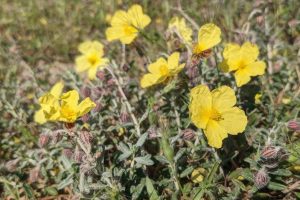
Springtime in Cyprus brings a splash of sunshine to rocky hills with Cyprus Rock-rose Helianthemum obtusifolium, a wildflower that’s like a mini sunrose hugging the ground. This tough little plant, found only on the island, turns dry slopes into cheerful displays. But why does it follow the sun, and what ancient stories hide in its petals?
- Just What Is This Sunny Cypriot Native?
- Roots in Cyprus's Ancient Earth and Botanical Tales
- A Fuzzy Bush with Crinkly Yellow Charms
- Surprising Twists from This Sun-Loving Bloom
- Peering Closer: A Rockrose with Mediterranean Kin
- Still Brightening Cyprus in Our Busy World
- Fancy a Springtime Wildflower Hunt?
- Why This Tiny Sunrose Lights Up Cyprus's Story
Just What Is This Sunny Cypriot Native?
Helianthemum obtusifolium is a small, shrub-like wildflower from the rockrose family, the kind of plants that love sunny, dry spots around the Mediterranean. It’s a perennial that pops up year after year, adding bright yellow touches to Cyprus’s wild landscapes without needing much care.
Roots in Cyprus’s Ancient Earth and Botanical Tales
Millions of years ago, as ancient seas dried up and tectonic shifts shaped Cyprus’s rocky hills, plants like this one adapted to the island’s isolation, evolving into unique species. First named in 1824 by French botanist Michel Félix Dunal, it draws from Greek words for “sun flower,” reflecting how explorers in the 19th century uncovered Cyprus’s floral secrets during Mediterranean expeditions. It’s part of a broader story of how Cyprus, like a natural time capsule, preserved these gems from prehistoric times.
A Fuzzy Bush with Crinkly Yellow Charms
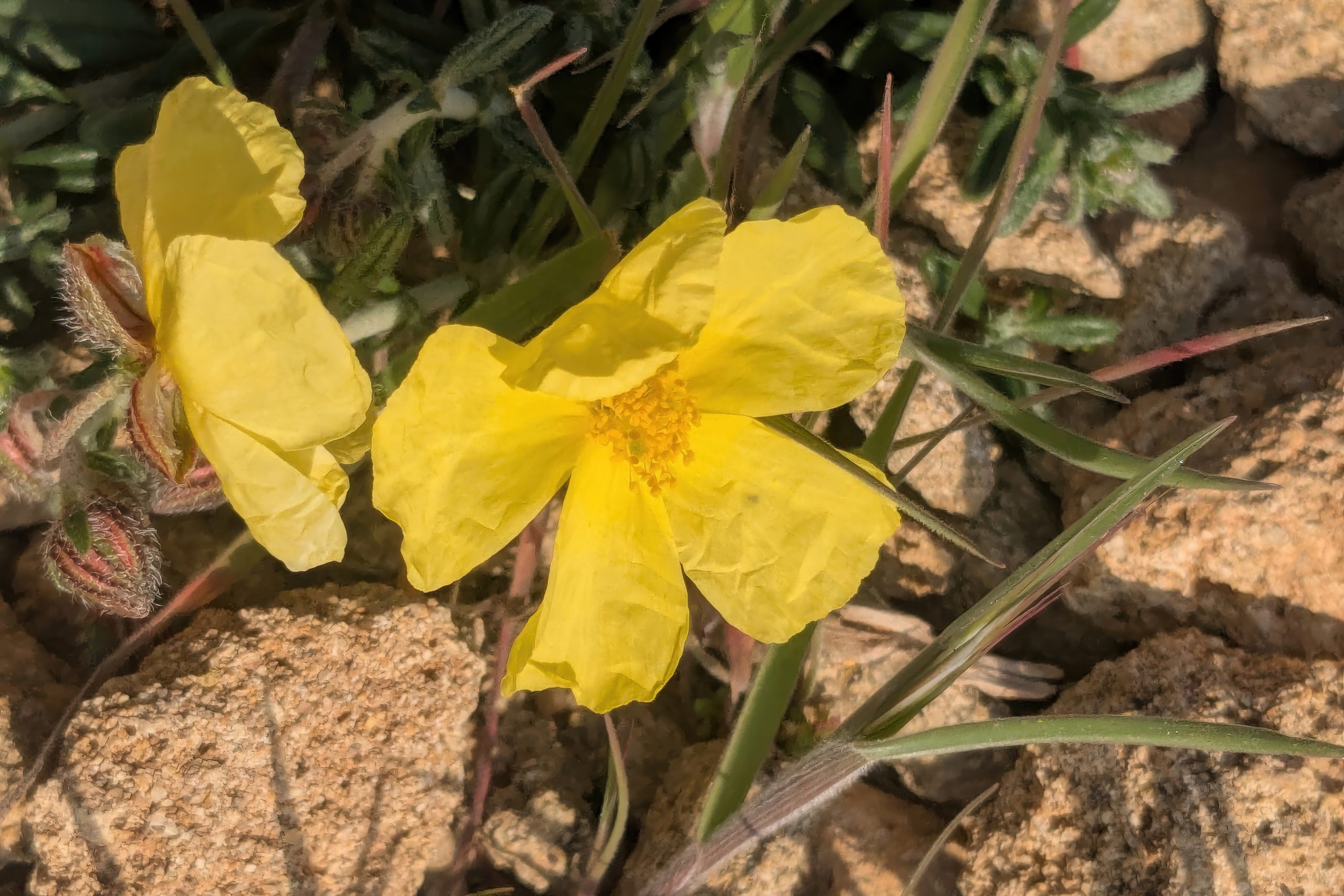
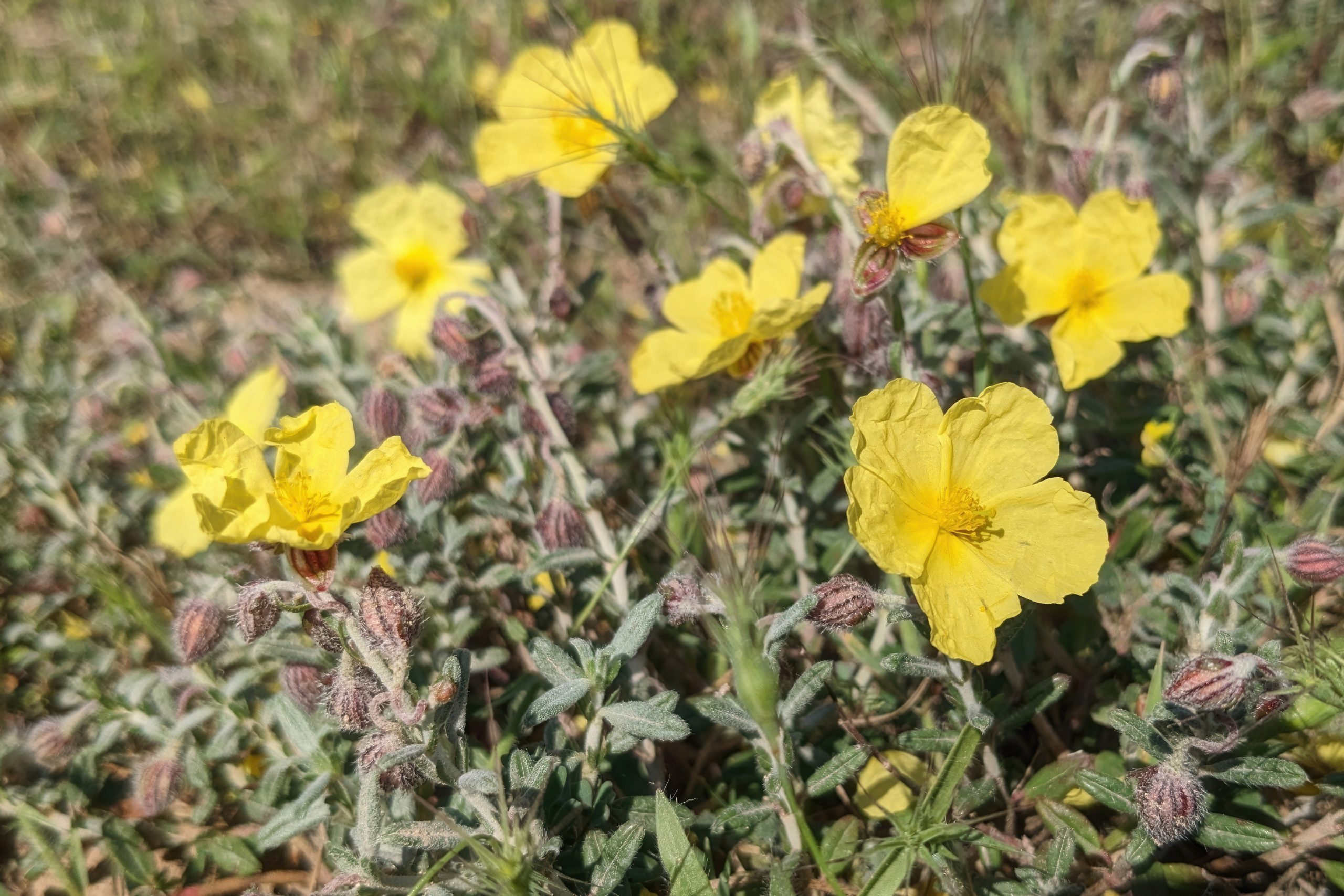
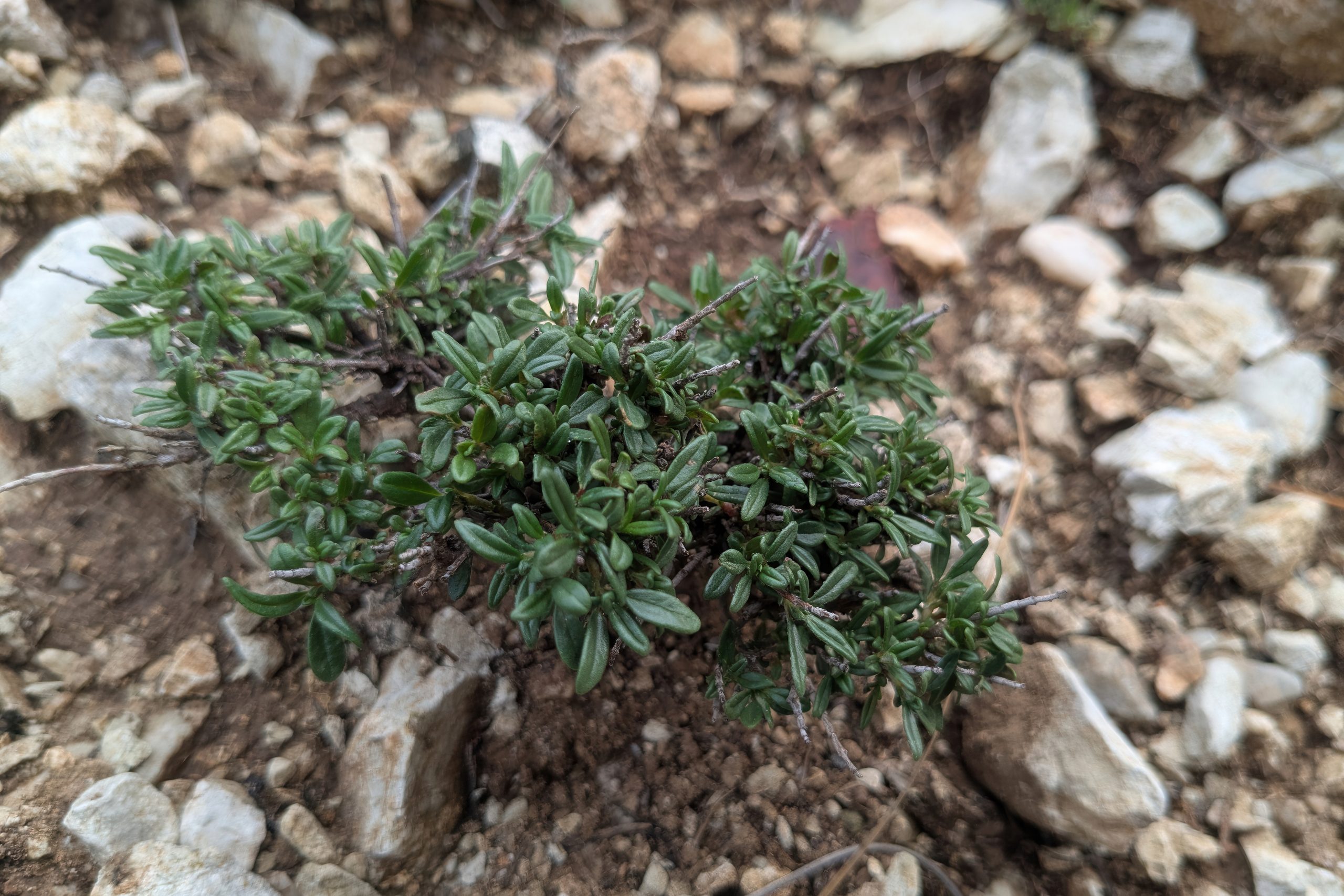
This low-growing plant reaches about 25-30 cm tall, with woody stems that spread out like a cozy mat on the ground. Its leaves are narrow and blunt-tipped, covered in soft hairs for a fuzzy feel, while the bright yellow flowers — about 1-2 cm wide with five crinkly petals cluster together, blooming like tiny suns against stony backdrops.
Surprising Twists from This Sun-Loving Bloom
Nicknamed the “Yellow Cyprus Sun-rose,” its petals open wide in sunlight and close at night or in shade, as if they’re sunbathing to catch every ray! In old folk tales, related rockroses were brewed into remedies for skin woes, but this one’s wild ways make it a bee magnet, turning quiet slopes into buzzing hangouts. Plus, its seed pods look like striped, fuzzy little aliens ready to pop!
Peering Closer: A Rockrose with Mediterranean Kin
In the big rockrose family of about 110 species scattered across Europe and beyond, this Cypriot version stands out for thriving on gypsum-rich soils from ancient evaporated seas. Its hairy leaves trap morning dew to survive hot summers, and it blooms from February to May, sharing habitats with other island shrubs in scrubby areas called garigue.
Still Brightening Cyprus in Our Busy World
Today, Helianthemum obtusifolium highlights Cyprus’s role as a biodiversity hotspot, protected in conservation efforts as climate shifts challenge its rocky homes. It pops up in local nature apps and eco-tours, reminding Cypriots of their island’s wild heritage amid modern life, and inspires drought-smart gardens in a warming Mediterranean.
Fancy a Springtime Wildflower Hunt?
You can spot Helianthemum obtusifolium on sunny hikes across Cyprus, from the Akamas Peninsula to the Kyrenia Range or Troodos foothills, at elevations from sea level to 925 meters. The experience is uplifting warm breezes carrying wild scents, with the thrill of finding these yellow gems on stony trails, feeling like a peaceful escape into nature’s quiet beauty.
Why This Tiny Sunrose Lights Up Cyprus’s Story
Helianthemum obtusifolium shows how Cyprus’s ancient rocks and sunny climes create resilient wonders that brighten the wild. It’s a small bloom with a big reminder of the island’s unique natural gifts, worth cherishing to keep Cyprus’s wildlife thriving for all to enjoy.