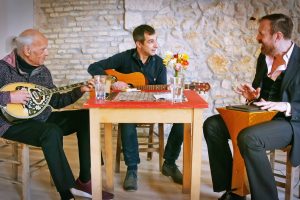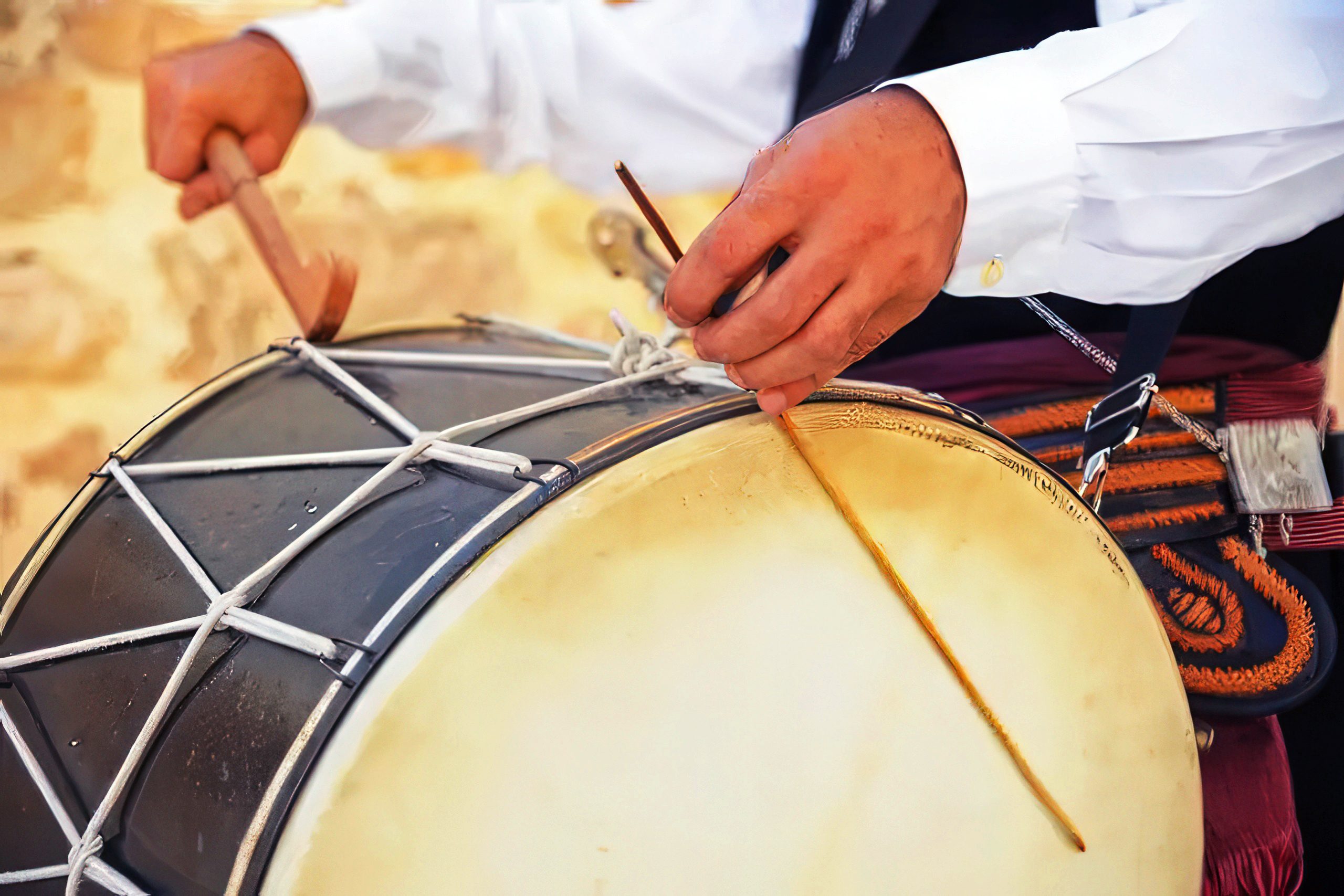
Traditional percussion in Cyprus is not decoration. It is structured. Long before written music or formal performance spaces, rhythm organised ritual, movement, and social life on the island. From village squares to wedding processions, the drum provided a shared pulse that told people when to gather, how to move, and when a moment mattered.
Cypriot percussion did not evolve to impress an audience. It evolved to hold a community together.
Why Rhythm Comes First in Cypriot Music
Cyprus sits at a cultural crossroads between the Eastern Mediterranean, Anatolia, and the Levant. Melodies travelled easily across these regions, but rhythm was what anchored them locally. Percussion gave Cypriot music its internal order, allowing dances, songs, and rituals to remain recognisable even as influences shifted over centuries.
Unlike modern ensembles where rhythm supports melody, traditional Cypriot music often works the other way around. The drum sets the framework. Everything else responds.
The Daouli: A Drum Built for the Open Air
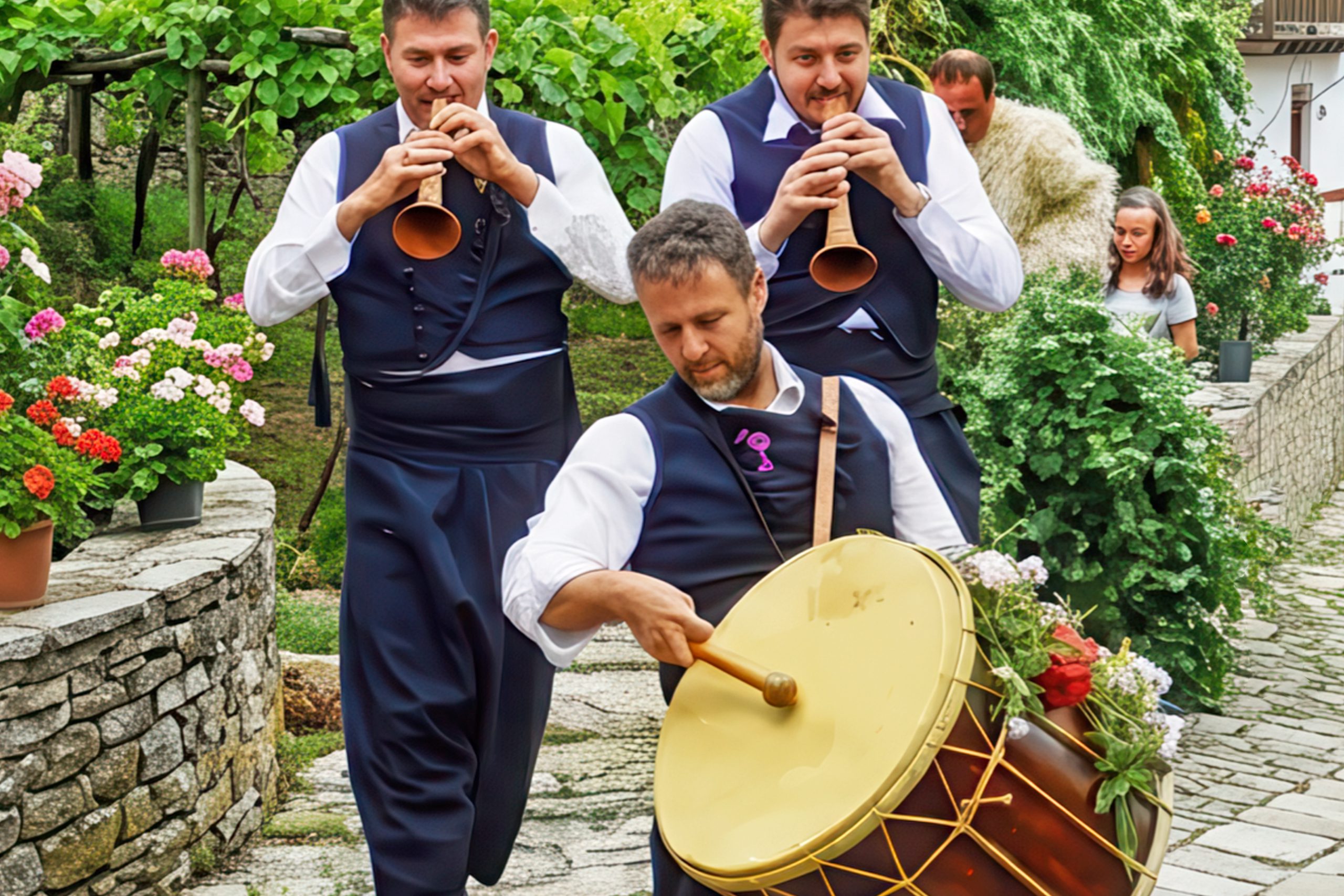
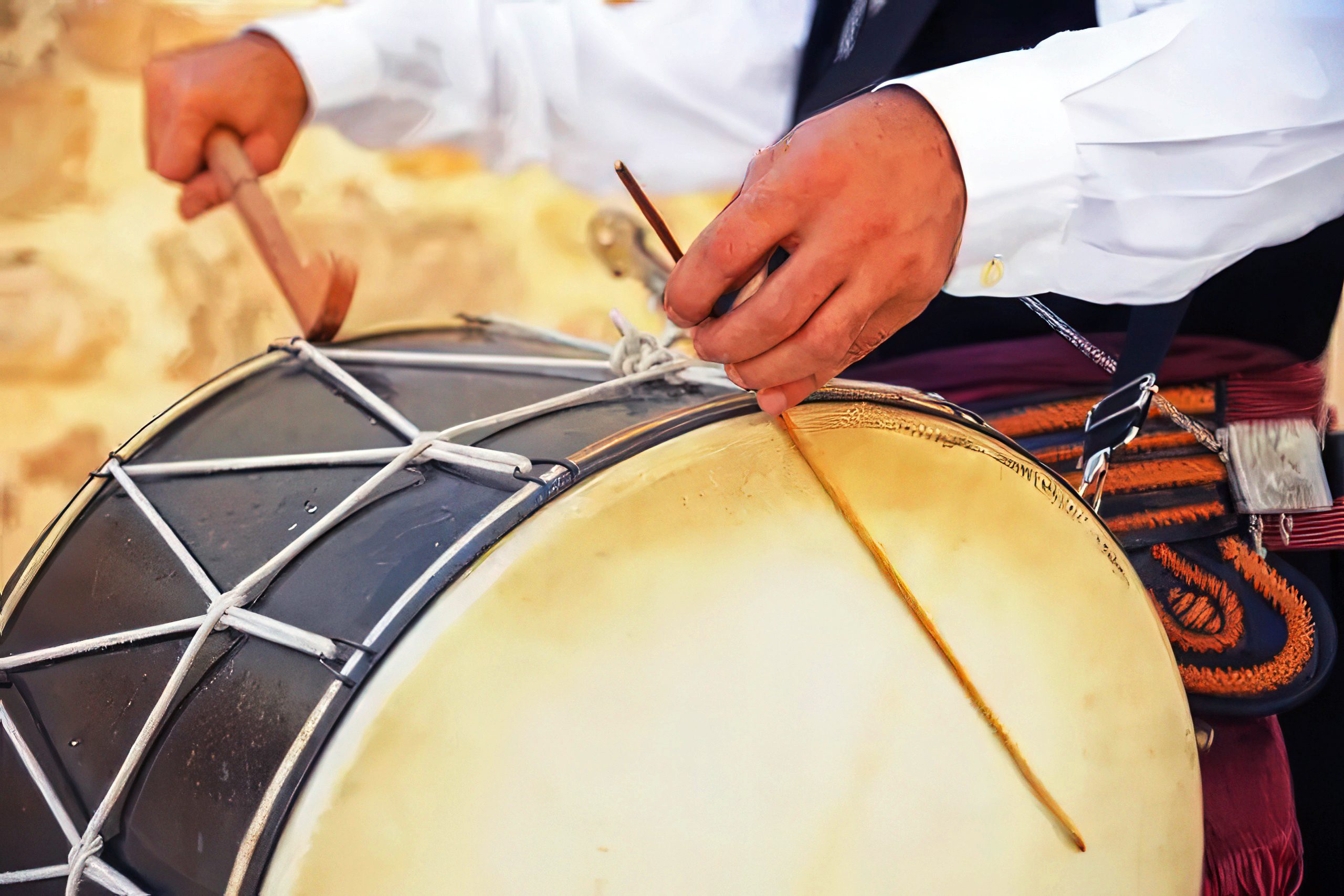
The most recognisable percussion instrument in Cyprus is the daouli, a large double-headed drum designed to be heard across open spaces. Its size and volume were practical. Village celebrations, processions, and agricultural festivals needed sound that could travel without amplification.
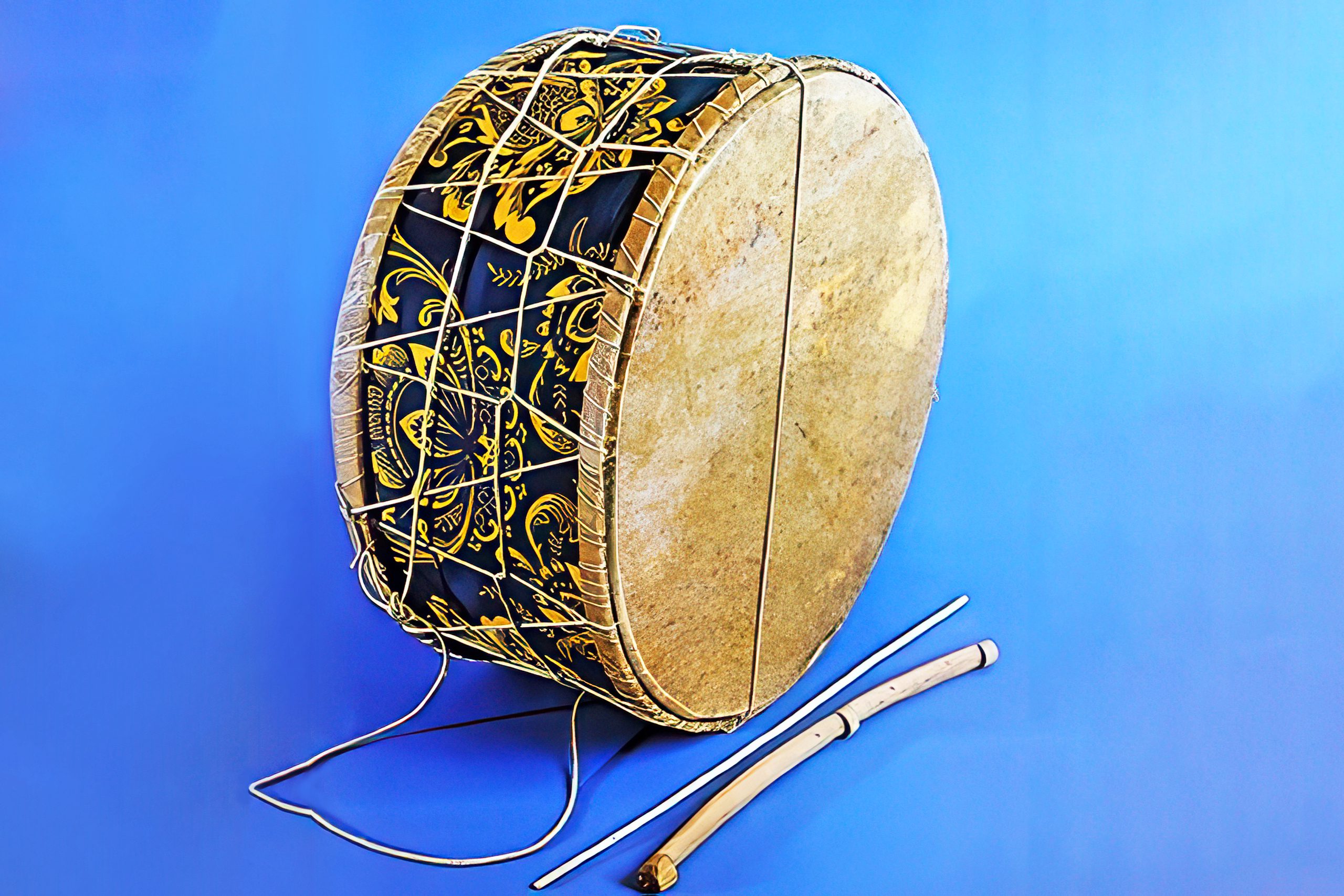
The daouli is worn over the shoulder and played with two different sticks. One produces deep, grounding beats. The other delivers sharp, snapping accents. Together, they create a rhythmic conversation that dancers follow instinctively.
What matters most is not complexity, but clarity. The daouli tells the body where the rhythm lives.
The Toumbi: Rhythm That Moves With the Player
In coastal areas and island communities, a smaller drum known as the toumbi became more common. Easier to carry and less physically demanding, it allowed for longer performances and quicker rhythmic changes.
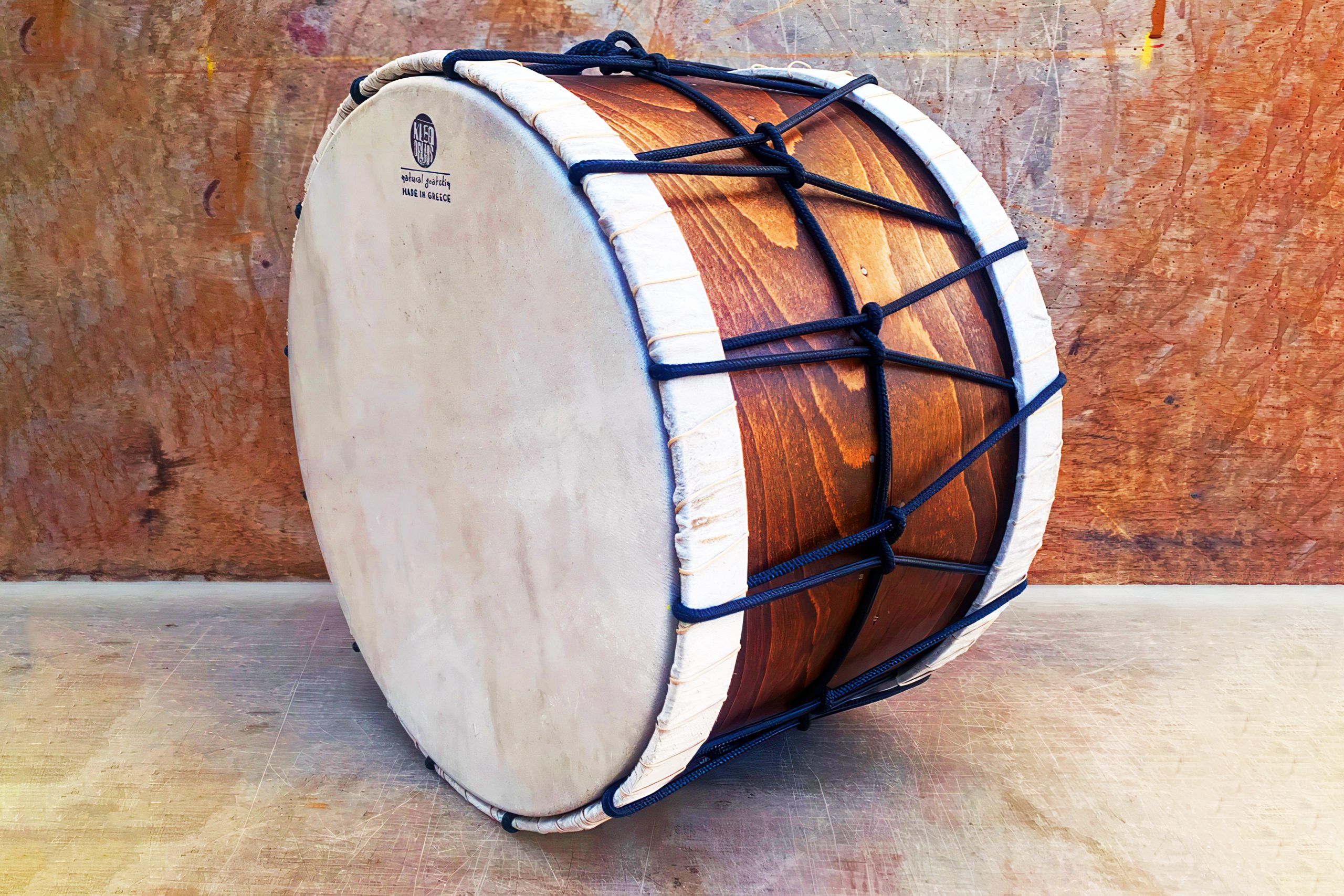
The toumbi often accompanies faster dances and pairs naturally with instruments like the violin. It’s a tighter sound that cuts through melodic lines without overpowering them. Where the daouli commands space, the toumbi navigates it.
The Tamboutsia: From Daily Work to Musical Memory
The tamboura reflects one of the most intimate transformations in Cypriot music. Its origins are linked to everyday domestic life, evolving from tools used in grain preparation. Over time, the rhythms of work became rhythms of music.
Played by hand rather than sticks, the tambourine produces warm, subtle tones that respond closely to touch. It is sensitive to the environment and humidity, which makes every performance slightly different. That variability is part of its character.
This instrument reminds us that Cypriot percussion did not emerge from stages or conservatories, but from lived routine.
Ancient Roots and Sacred Associations
Archaeological evidence shows that percussion has been central to Cypriot ritual for thousands of years. Bronze Age figurines depict women holding frame drums, often in ceremonial contexts. These images suggest that rhythm once carried spiritual meaning tied to fertility, protection, and the cycles of nature.
In these early settings, the drum did not simply accompany ritual. It structured it. Repeated beats were believed to align human movement with seasonal change, creating continuity between body, land, and belief. Rhythm marked time not as hours or days, but as shared experience.
Rhythm as a Guide for Movement
Traditional Cypriot dances depend on percussion not only for timing, but for shape. Rhythmic patterns define when dancers step, pause, turn, or accelerate. In dances such as Karsilamas, these patterns are complex but deeply embodied, learned through repetition rather than instruction.
The drummer plays with the dancers, not for them. Eye contact, footwork, and breath all influence how the rhythm unfolds. This exchange ensures that no two performances are identical, even when the same dance is repeated across generations.
Weddings, Processions, and the Sound of Public Life
Few events demonstrate the social role of percussion more clearly than a traditional Cypriot wedding. Historically, the drum announced a celebration long before guests arrived. Its sound travelled through fields and streets, turning private preparation into public anticipation.
Distinct rhythms marked different moments. Dressing rituals, processions, and communal dancing each carried its own tempo. Through percussion, personal milestones became shared memory, recognised and witnessed by the wider community.
Regional Variation Within a Shared Language
Although instruments are shared across the island, rhythmic styles vary by region. Mountain villages like Omodos Square tend to preserve slower, heavier beats that mirror the pace of rural life. Coastal areas favour lighter, quicker rhythms shaped by trade, travel, and interaction with other Mediterranean cultures.
In northern regions, Anatolian influence is more pronounced, particularly in the use of goblet drums alongside larger bass instruments. These variations do not divide Cypriot music. They enrich it, adding local accents to a common rhythmic vocabulary.
The Drum as Social Memory
In Cypriot culture, percussion carries meaning beyond sound. Circle dances led by drums reflect ideas of equality, continuity, and shared participation. Everyone moves together, guided by the same pulse.
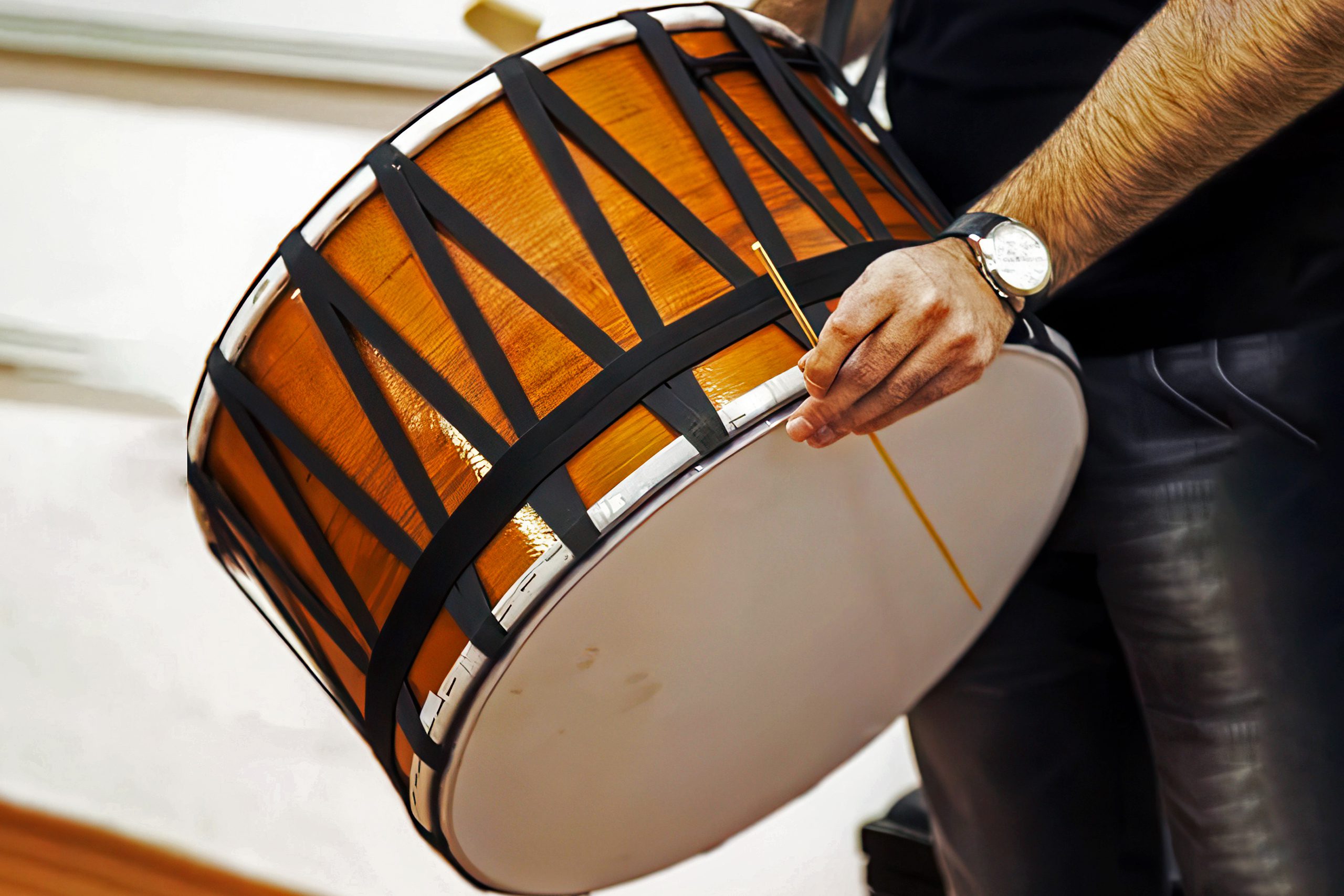
This symbolism holds particular weight on an island shaped by division. Traditional rhythms remain one of the few cultural elements recognised across communities. They persist because they belong to everyday life rather than ideology.
Keeping the Rhythm Alive Today
Traditional percussion in Cyprus has not disappeared, but its setting has evolved. Cultural centres, folklore groups, and festivals preserve older rhythms, while younger musicians reinterpret them through contemporary styles.
Jazz, electronic, and experimental artists increasingly incorporate traditional percussion, not as ornament, but as foundation. The instruments may change context, but the underlying structures remain recognisably Cypriot. This balance between preservation and adaptation is what keeps the tradition alive.
Hearing Cyprus, Not Just Seeing It
To understand Cyprus fully, listening matters as much as looking. In village squares, drums echo off stone walls and church facades. During festivals, rhythm merges with voice and movement. Even in modern settings, percussion reshapes how space is felt.
Traditional percussion is the island’s heartbeat. It has guided ritual, movement, and memory across centuries. Long after melodies fade, rhythm remains, steady and familiar, holding Cyprus together one beat at a time.