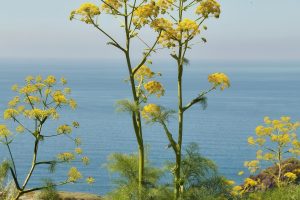
On rocky hillsides and gentle terraces across Cyprus, trees with shimmering silver-green leaves stand like wise elders, their twisted trunks telling stories of centuries under the Mediterranean sun. These are the olive trees, living treasures that have shaped the island’s landscape, diet and culture since the dawn of human settlement here.
- A Classic Evergreen of the Olive Family
- Echoes from the Dawn of Cypriot Civilisation
- Graceful Form and Enduring Strength
- Five Memorable Tidbits
- Deeper Roots and Hidden Gifts
- The Anatomy of Eternal Youth
- Deeper Layers of Resilience
- Heart of Cypriot Life Today
- Walking Among Living History
- Walking Among Living History – With Exact Coordinates
- Safe travels, and may your journeys among the olives be as timeless as the trees themselves! 🌿
A Classic Evergreen of the Olive Family
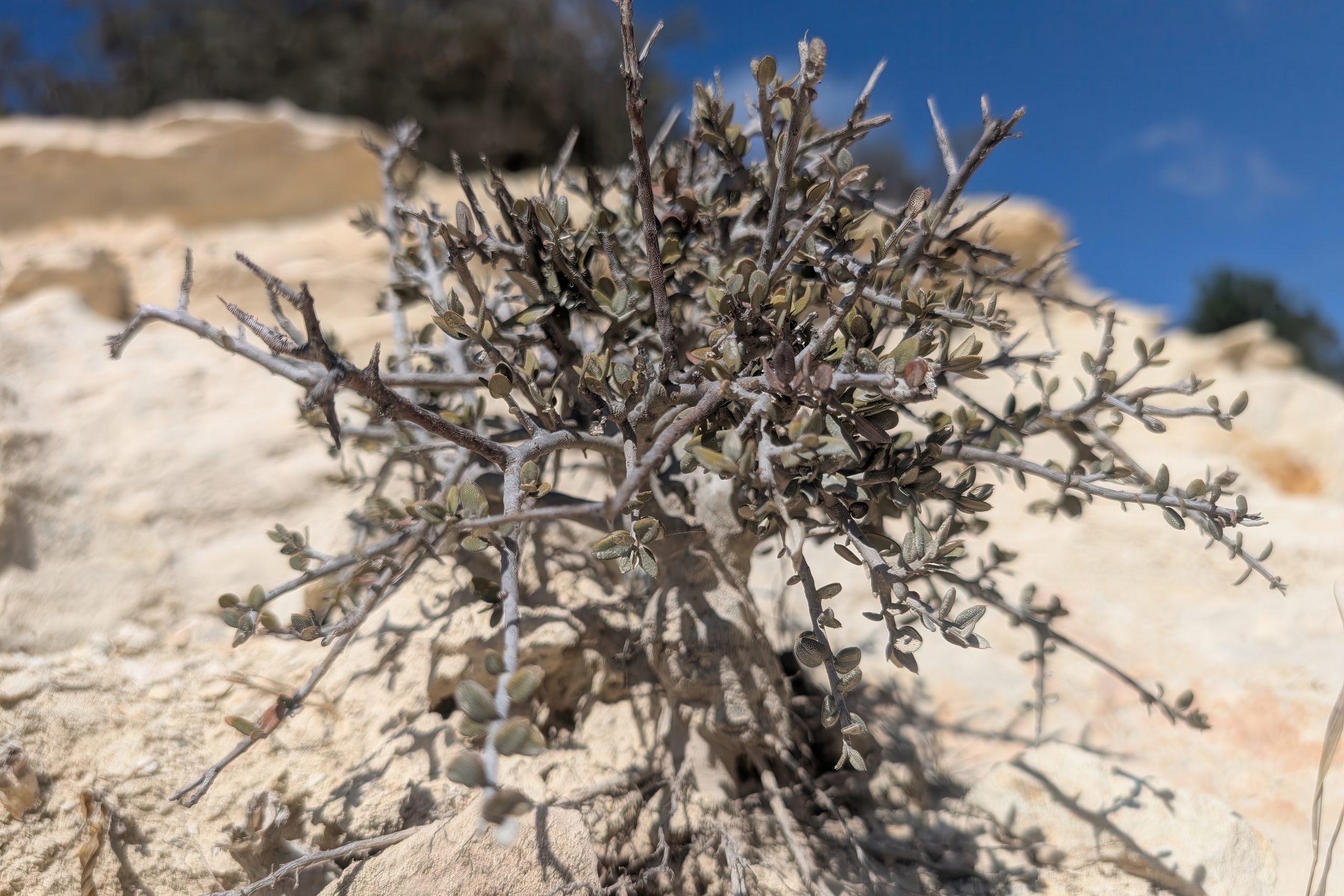
Known to science as Olea europaea, the olive belongs to the family Oleaceae within the order Lamiales. In Cyprus it thrives both as the familiar cultivated form in orchards and as the wild oleaster (Olea europaea var. sylvestris), a tougher, smaller-fruited version that grows naturally in maquis and garigue vegetation alongside carob and wild pistachio.
Echoes from the Dawn of Cypriot Civilisation
Olives have been part of Cyprus since at least the Bronze Age, with ancient pollen records and archaeological finds showing they were already valued for oil and fruit more than 4,000 years ago. Phoenician, Greek and Roman settlers expanded their cultivation, while the wild oleaster formed part of the original maquis shrublands described in 19th-century British forest reports. Over time, centuries of human care turned scattered wild trees into the productive groves that still cloak the island’s lower slopes today.
Graceful Form and Enduring Strength
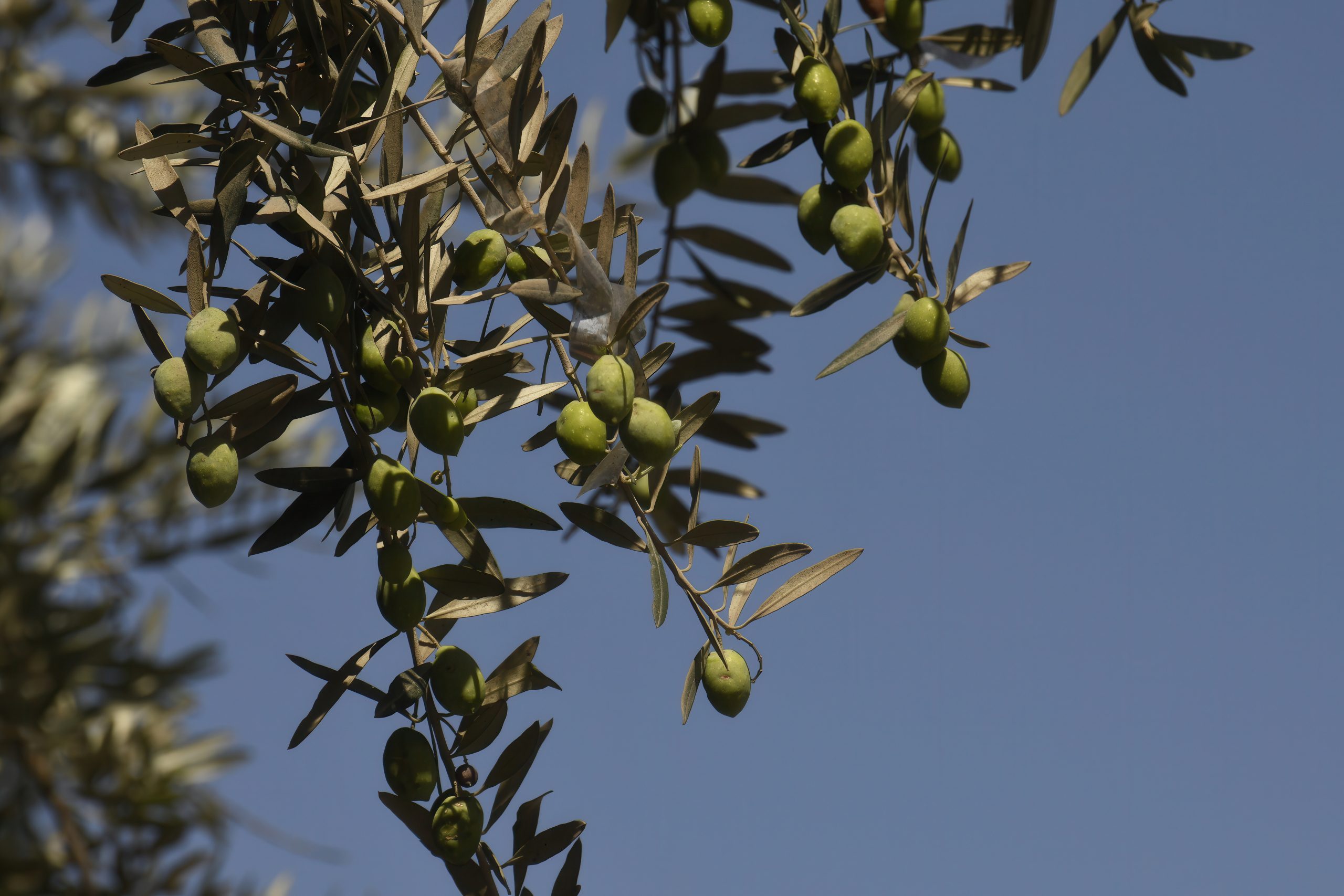
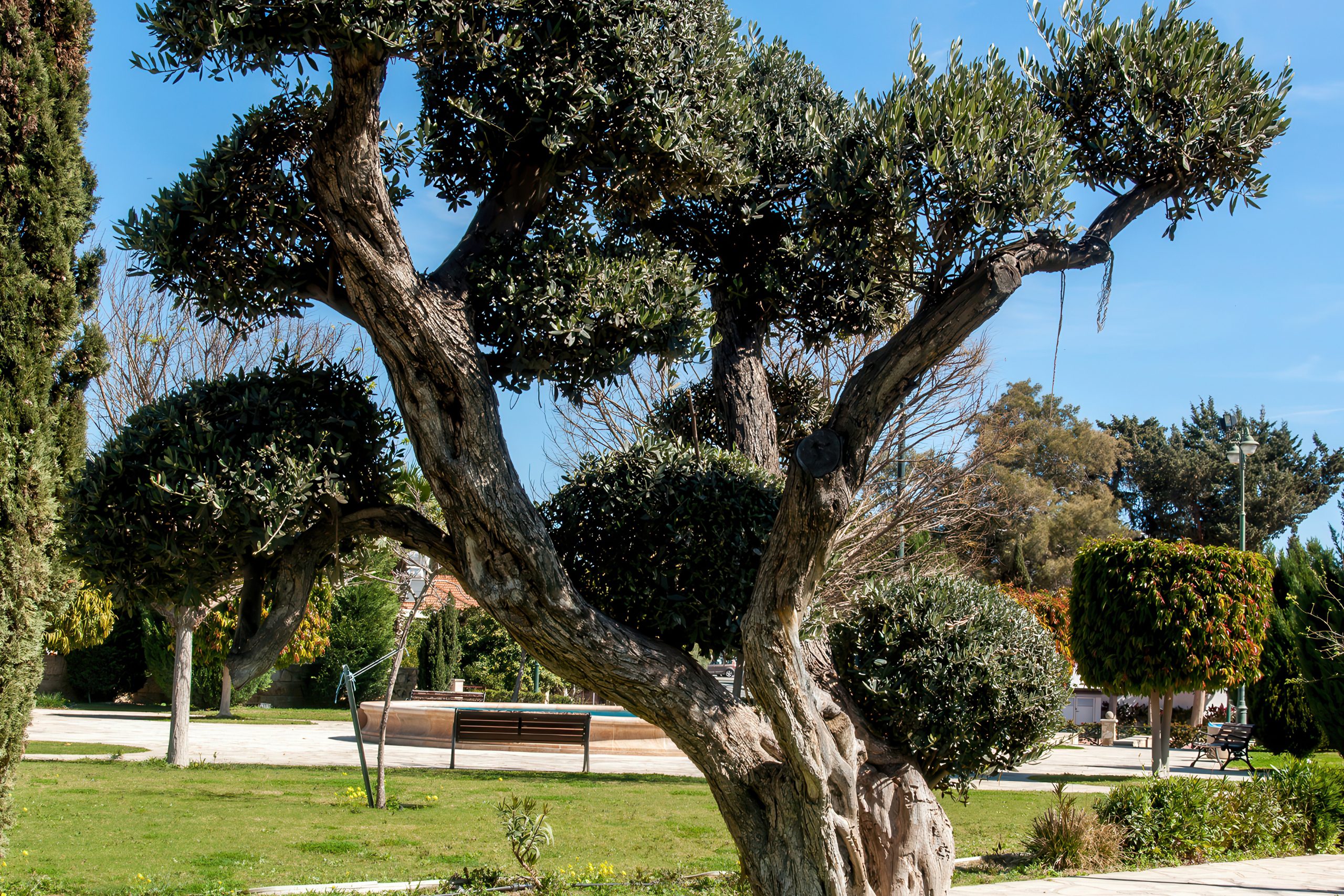
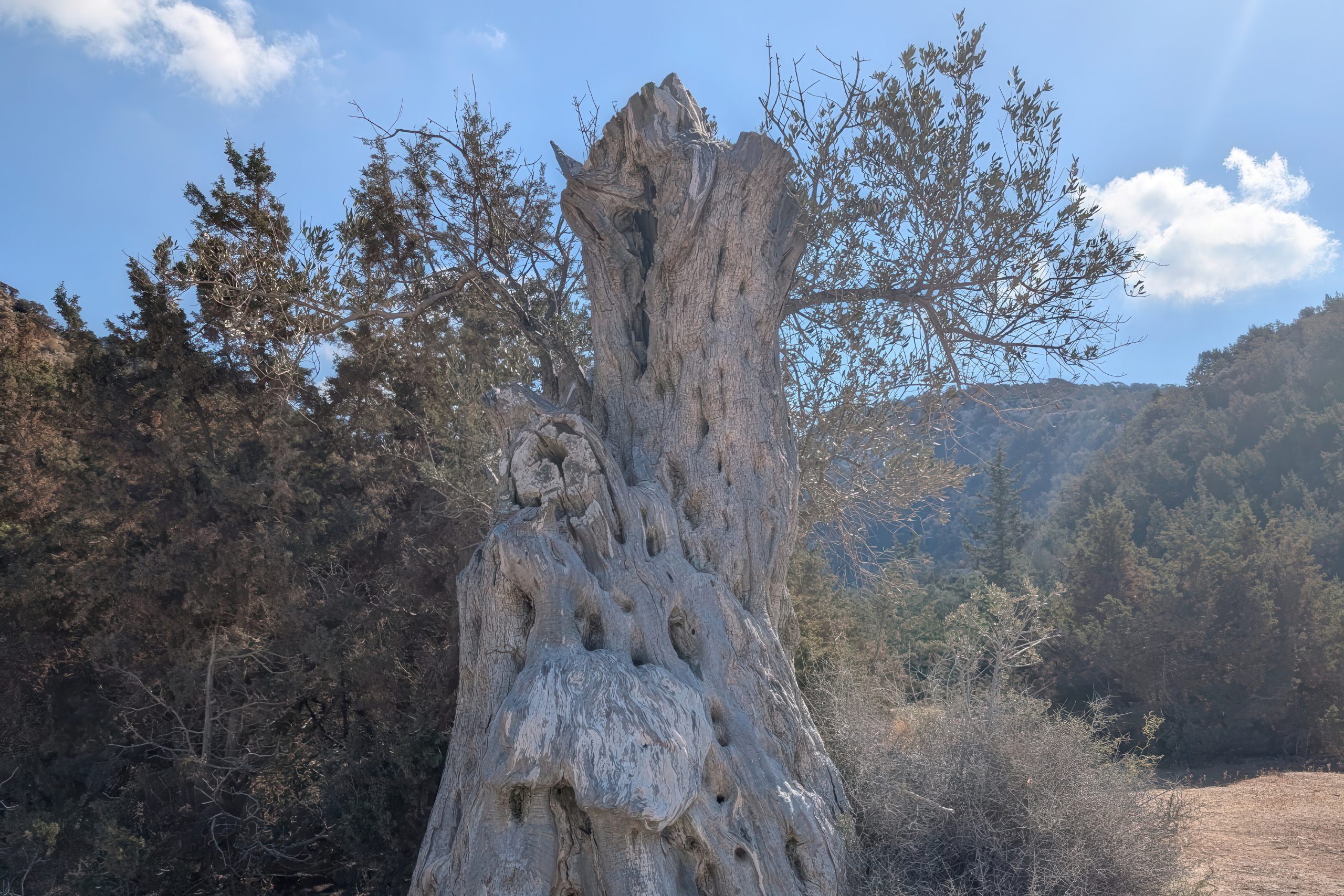
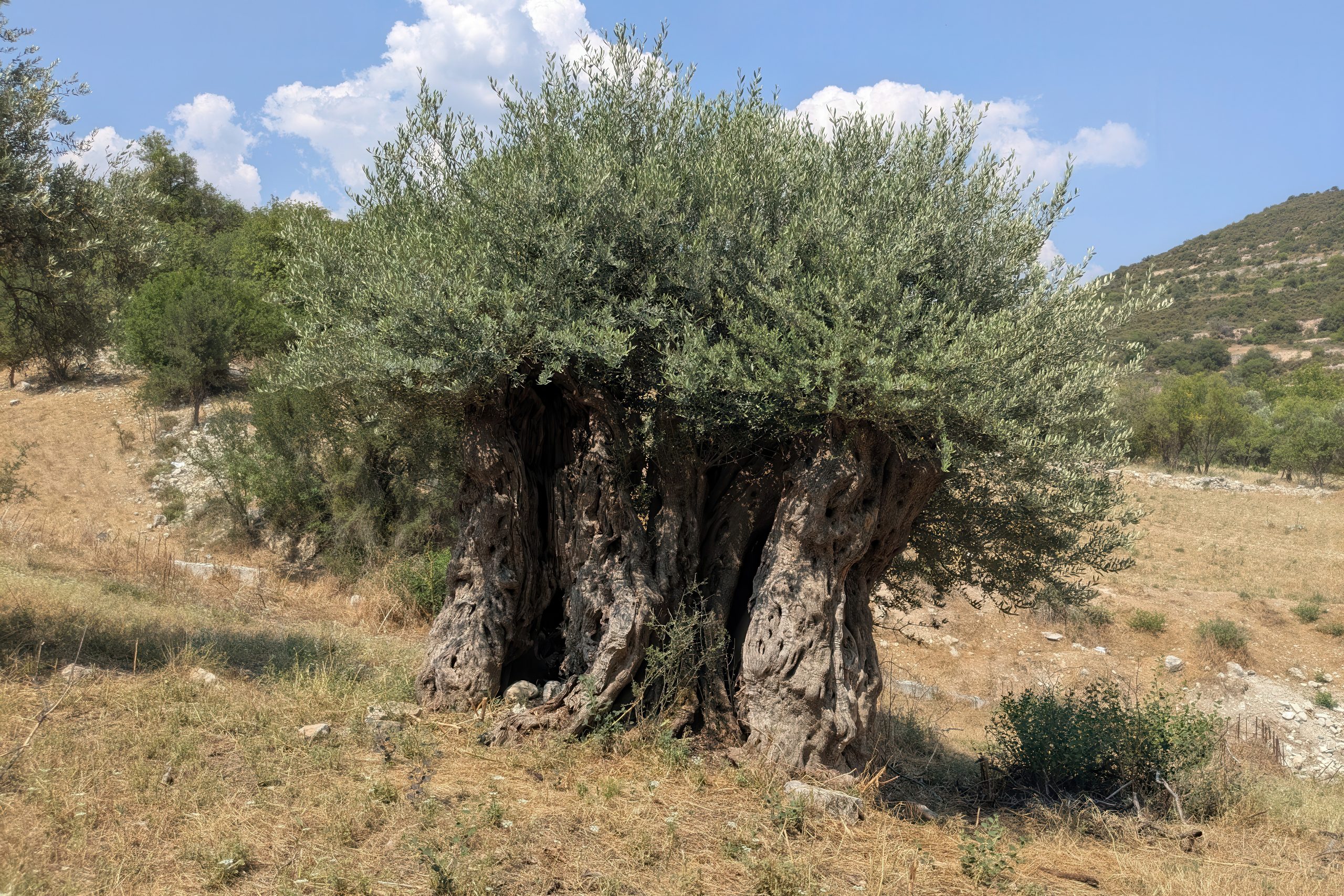
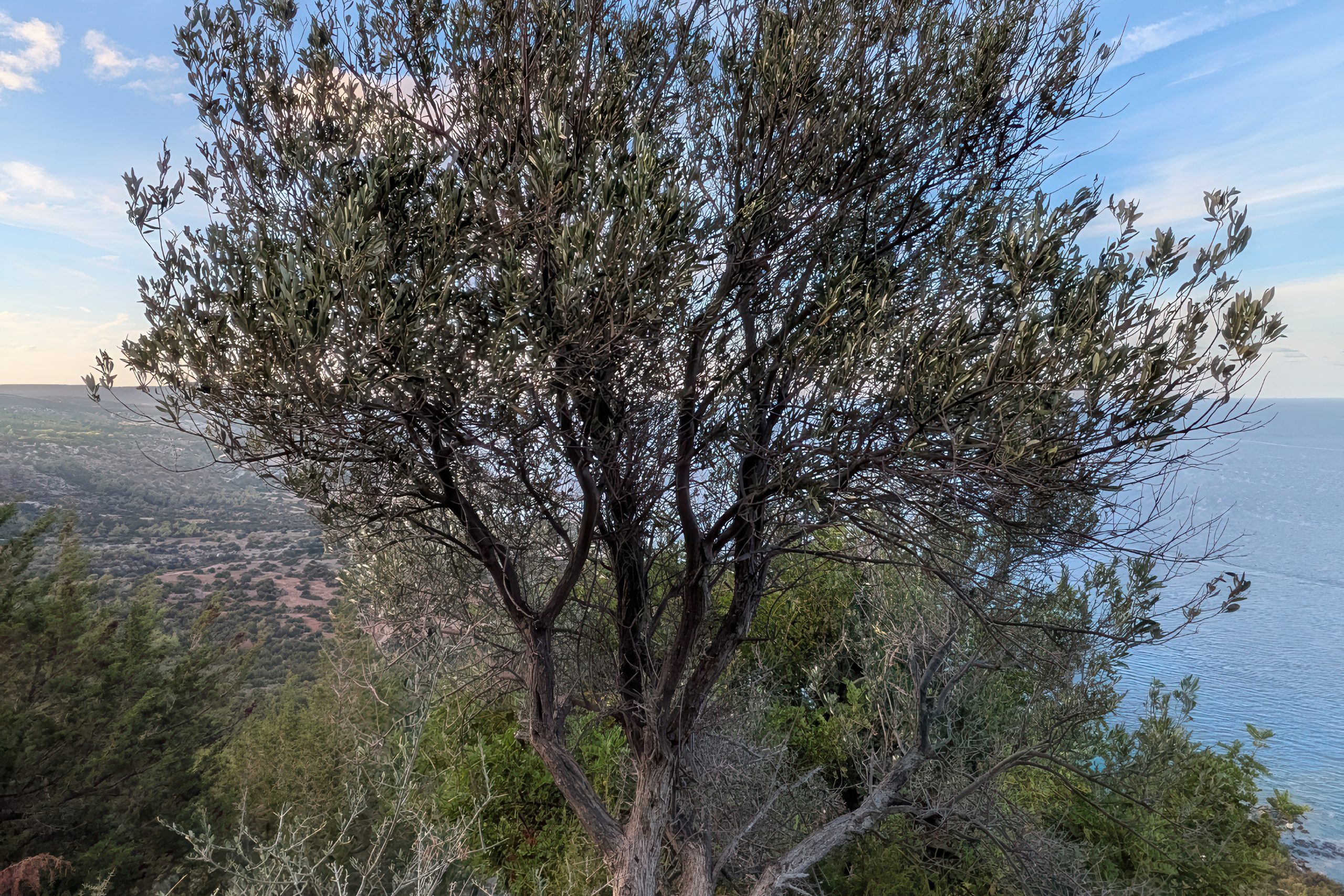
The olive is an evergreen tree reaching 8–15 metres, with a short, often gnarled trunk and a broad, rounded crown. Its narrow, leathery leaves are dark green above and silvery-white beneath thanks to tiny protective scales that reflect sunlight and reduce water loss. Tiny cream-white flowers appear in spring, followed by oval drupes that ripen from green to glossy black or purple. Old trees develop fantastically twisted, hollow trunks that can measure several metres around, yet still produce new shoots and fruit year after year.
Five Memorable Tidbits
• Some olive trees in Cyprus are certified over 800 years old and still bear fruit – living proof that patience rewards the patient.
• The local Greek name Ελιά (Eliá) and Turkish name Zeytin both trace back to the ancient word for this generous tree.
• One mature tree can produce up to 50 litres of oil in a good year, enough to fill a family’s table for months.
• Wild oleaster fruits are smaller and more bitter than cultivated ones, but birds love them, helping spread seeds across the maquis.
• The species is listed as Data Deficient on the IUCN Red List because of its vast cultivated range, yet Cyprus’s ancient specimens are proudly protected.
Deeper Roots and Hidden Gifts
As a member of Oleaceae, the olive shares fragrant flowers and opposite leaves with jasmine and lilac. Its wild form enriches thin soils and provides shelter for countless insects and birds. Traditional Cypriot villages still press their own olive oil using centuries-old stone mills, while the leaves have been used in herbal teas and the wood for carving beautiful icons and furniture.
The Anatomy of Eternal Youth
An olive trunk has four main layers: the outer bark, the living cambium (a thin green sheath just under the bark), the sapwood that carries water, and the inner heartwood. As decades pass, the heartwood – the oldest, central wood – gradually dies and rots away, leaving a hollow cavity. But the tree has a clever defence called compartmentalisation: it builds chemical walls around the decaying area so rot cannot spread outward. The vital cambium layer stays alive on the outside, producing new wood and bark every year. Most importantly, dormant buds hidden in the bark and at the root crown (the swollen base where trunk meets roots) remain ready. When the old trunk weakens, these buds wake up and send out strong basal sprouts – new vertical shoots that become fresh trunks, drawing water and nutrients through the still-living outer wood and extensive root system.
Deeper Layers of Resilience
Olive trees pass through the usual life stages – seedling, vigorous youth, mature fruit-bearer – then enter what scientists call the senescent phase. Most trees would slowly decline, but olives have evolved to bypass full death. The root crown acts almost like a lignotuber, storing energy and buds. Even when the main trunk is 90 % hollow, the thin ring of living sapwood and cambium keeps the canopy supplied, while new basal shoots take over the work of the old trunk. This is why a tree that looks half-dead can suddenly burst into life after a heavy pruning or a wet winter.
Heart of Cypriot Life Today
Olives remain central to modern Cyprus – from the golden oil drizzled on village salads to the ancient groves that draw thousands of visitors each year. They symbolise Mediterranean resilience in the face of drought and change, and Cyprus protects its monumental trees as living monuments. Local producers create award-winning extra-virgin oils, while the trees help prevent soil erosion and support rural economies.
Walking Among Living History
Stand in awe before the monumental olive tree in the centre of Pano Akourdaleia village (Paphos district) – its massive, gnarled trunk and spreading crown make it one of Cyprus’s most photographed natural wonders, complete with an old stone mill nearby. Just a short drive away, the 700-year-old olive tree beside the main road through Avdimou village (Limassol district) still produces olives every year, its impressive 8.7-metre girth a living testament to the island’s heritage. In Anglisides village (Larnaca district) you will find one of the island’s most celebrated ancients – frequently called the oldest at around 800 years with a 10.35-metre girth.
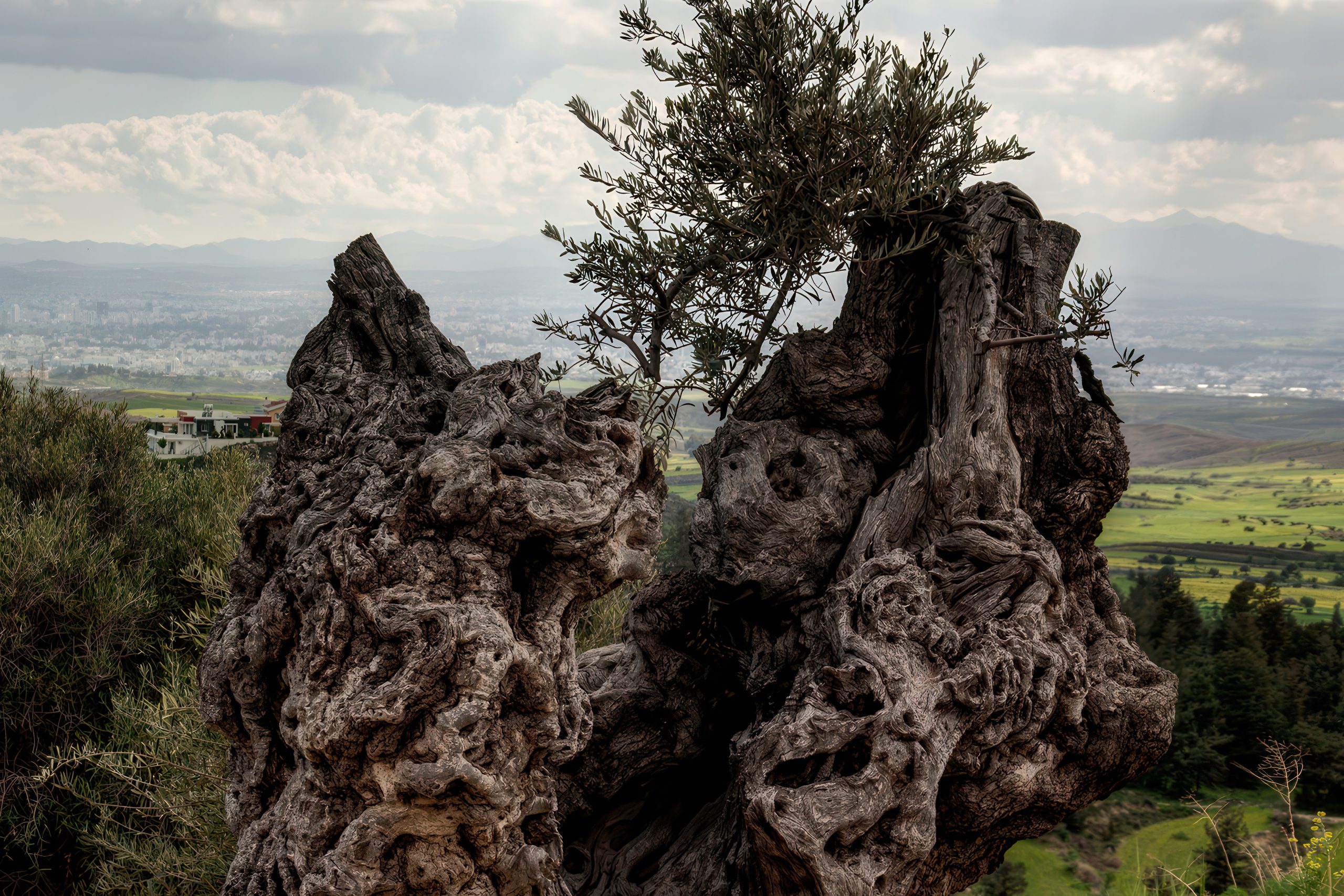
The Xyliatos olive (Nicosia district) boasts the largest recorded girth at 12.80 metres and is also estimated at 800 years. In the north, the historic monumental olive grove near Kalkanlı (Güzelyurt) once contained thousands of ancient trees; although many were tragically lost in the 2020 wildfires, surviving giants still stand as powerful reminders of the island’s olive heritage. For a full experience, visit the Oleastro Olive Park and Museum in Anogyra village (Limassol district) – Cyprus’s only dedicated olive theme park, where you can tour a working ecological mill, explore the museum, taste fresh oil, and wander among centuries-old trees.
Walking Among Living History – With Exact Coordinates
Here are the precise locations of the iconic monumental olive trees featured in our story, so you can easily find them on Google Maps, GPS, or your favourite navigation app (all coordinates in decimal degrees, WGS84):
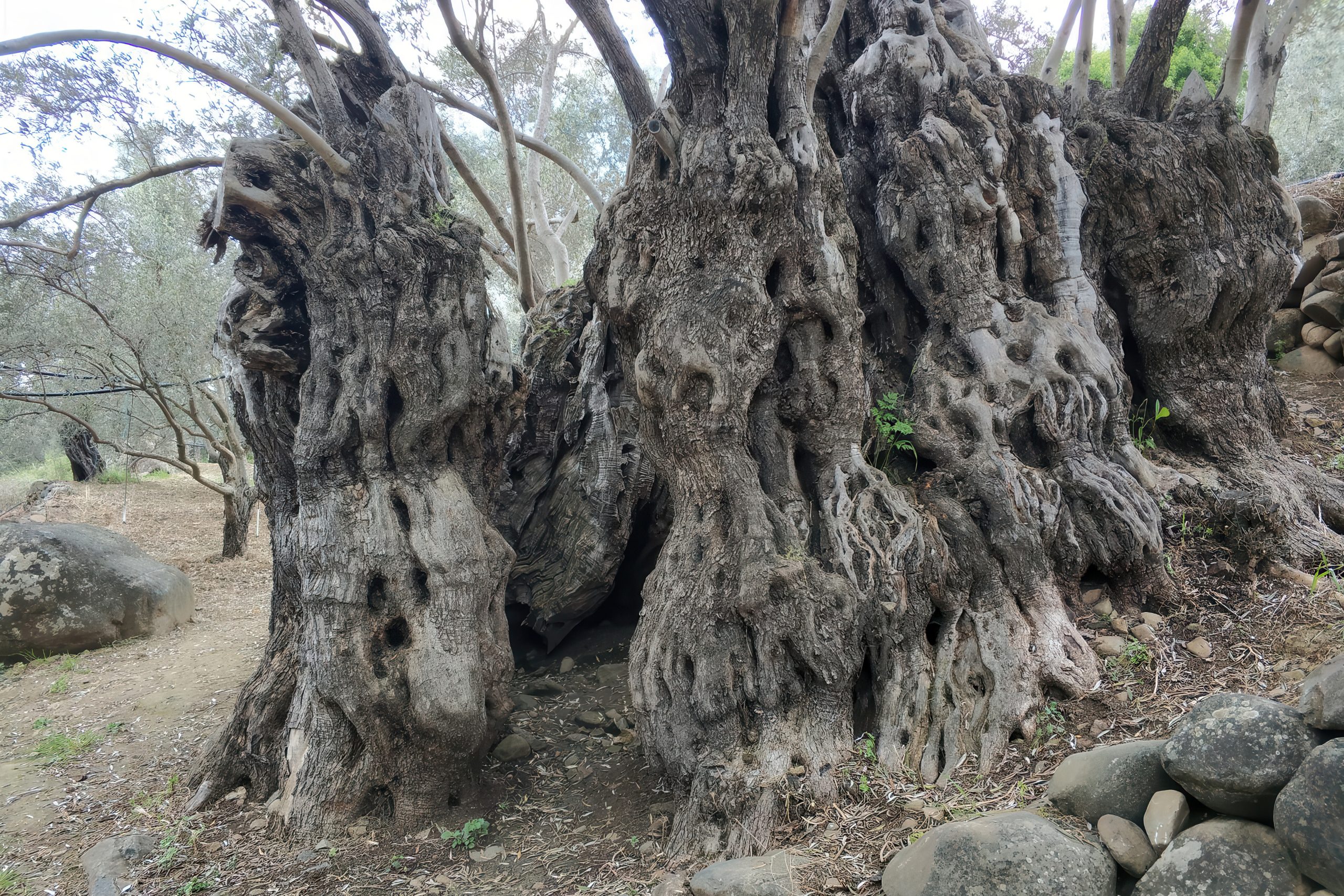
Pano Akourdaleia monumental olive tree (Paphos district – the massive tree right in the village square with the old stone mill beside it)
34°56’36.3″N 32°26’48.8″E
Avdimou ancient olive tree (Limassol district – the impressive 700-year-old specimen beside the main road on the edge of the village)
34°41’56.5″N 32°45’44.7″E
Anglisides 800-year-old olive tree (Larnaca district – one of the most celebrated giants in the village)
34°51’14.7″N 33°27’55.8″E
Xyliatos Giant / Perennial olive tree (Nicosia district – the famous hollow giant at the “Potima” location, with the island’s largest recorded girth)
35.03175° N, 33.03505° E
Kalkanlı (Güzelyurt) monumental olive grove (northern Cyprus – the historic cluster of ancient trees just outside the village)
35.2567° N, 33.0317° E (central point of the protected grove)
Oleastro Olive Park & Museum (Anogyra village, Limassol district – the wonderful working olive park with centuries-old hollow trees you can walk among)
34.75689° N, 32.75991° E
These coordinates will take you straight to each living wonder. When you arrive, please stay on designated paths, admire from a respectful distance, and never carve, climb, or damage the bark – these ancient giants are legally protected natural monuments.
Now you can plan your own pilgrimage to meet Cyprus’s silvery sentinels in person. Stand beneath one, place your hand on that hollow, twisted trunk, and feel the quiet miracle of new green shoots rising year after year. Each of these trees has already lived through empires, earthquakes, and centuries of Mediterranean sun – and they are still generously producing olives and shade for us today.