
The Arabis Species of Cyprus

4 minutes read 3 views See on map

Tucked away in the rocky crevices and mountainous slopes of Cyprus, the Arabis species offer delicate bursts of color amid the island’s rugged terrain. These small, resilient rockcresses, with their clusters of white, pink, or purple flowers, are a testament to the unique flora that thrives in this Mediterranean hotspot. Discovering them in the wild feels like finding hidden gems that whisper stories of Cyprus’s ancient landscapes.
www.flora-of-cyprus.eu

Why is it interesting?

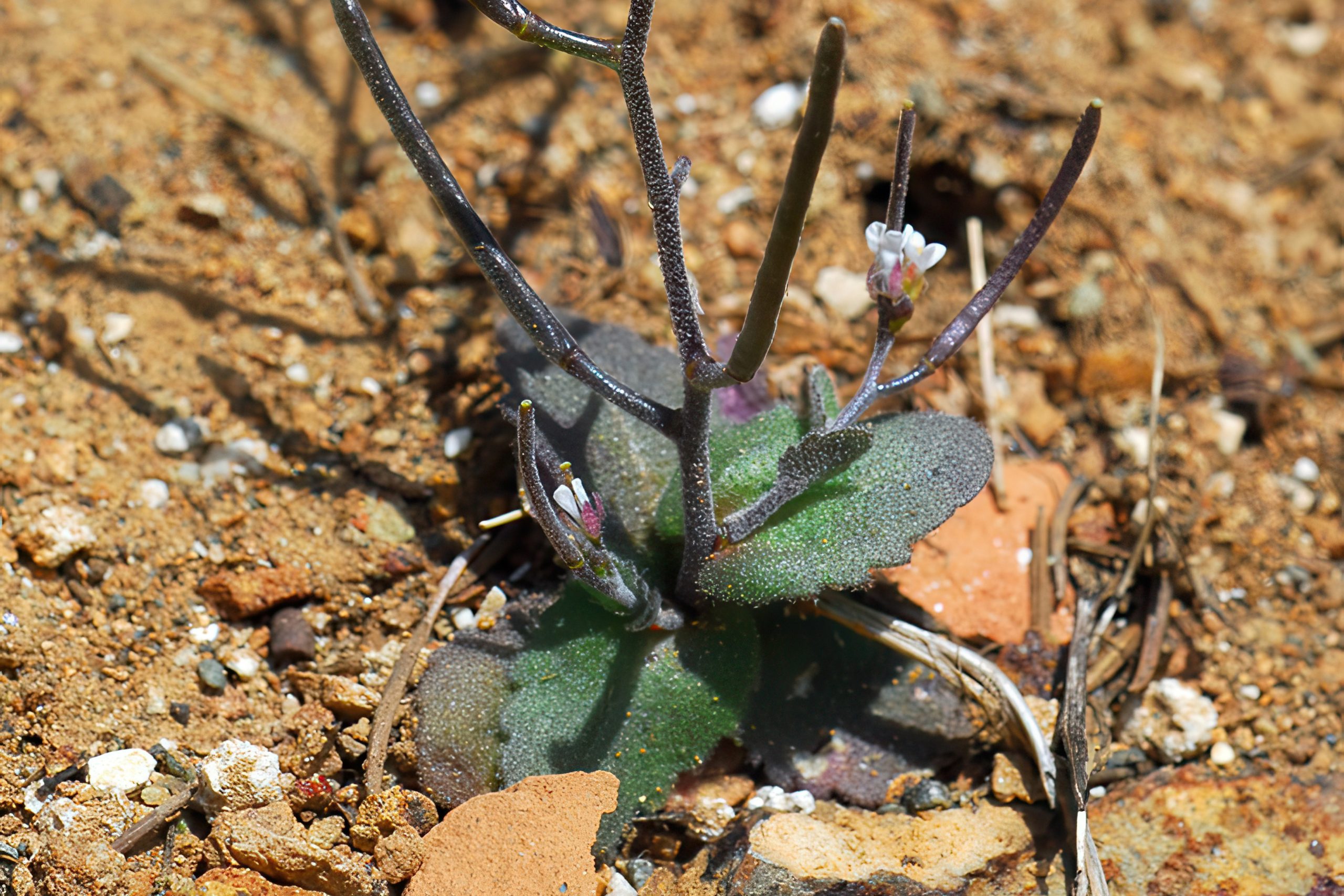
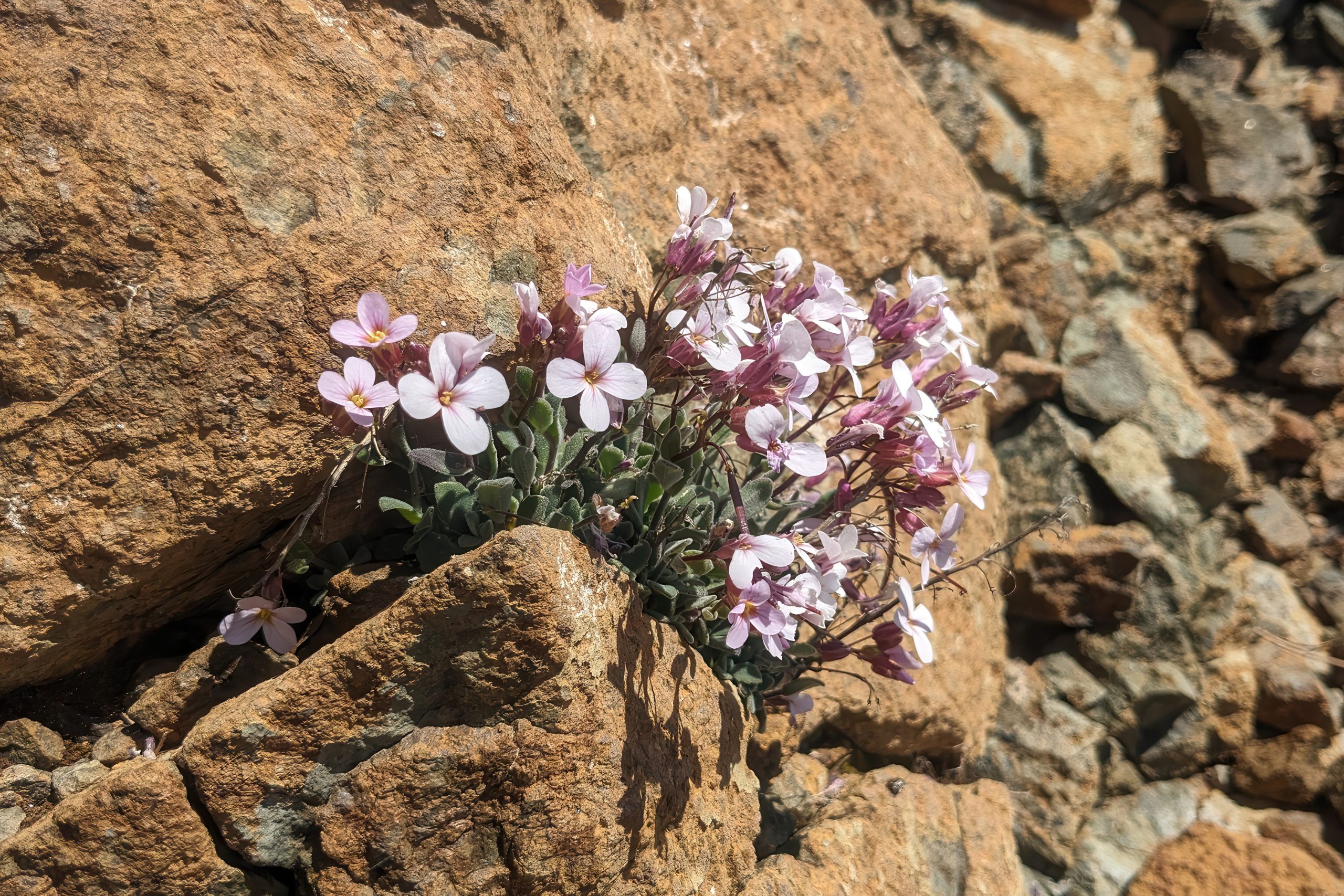
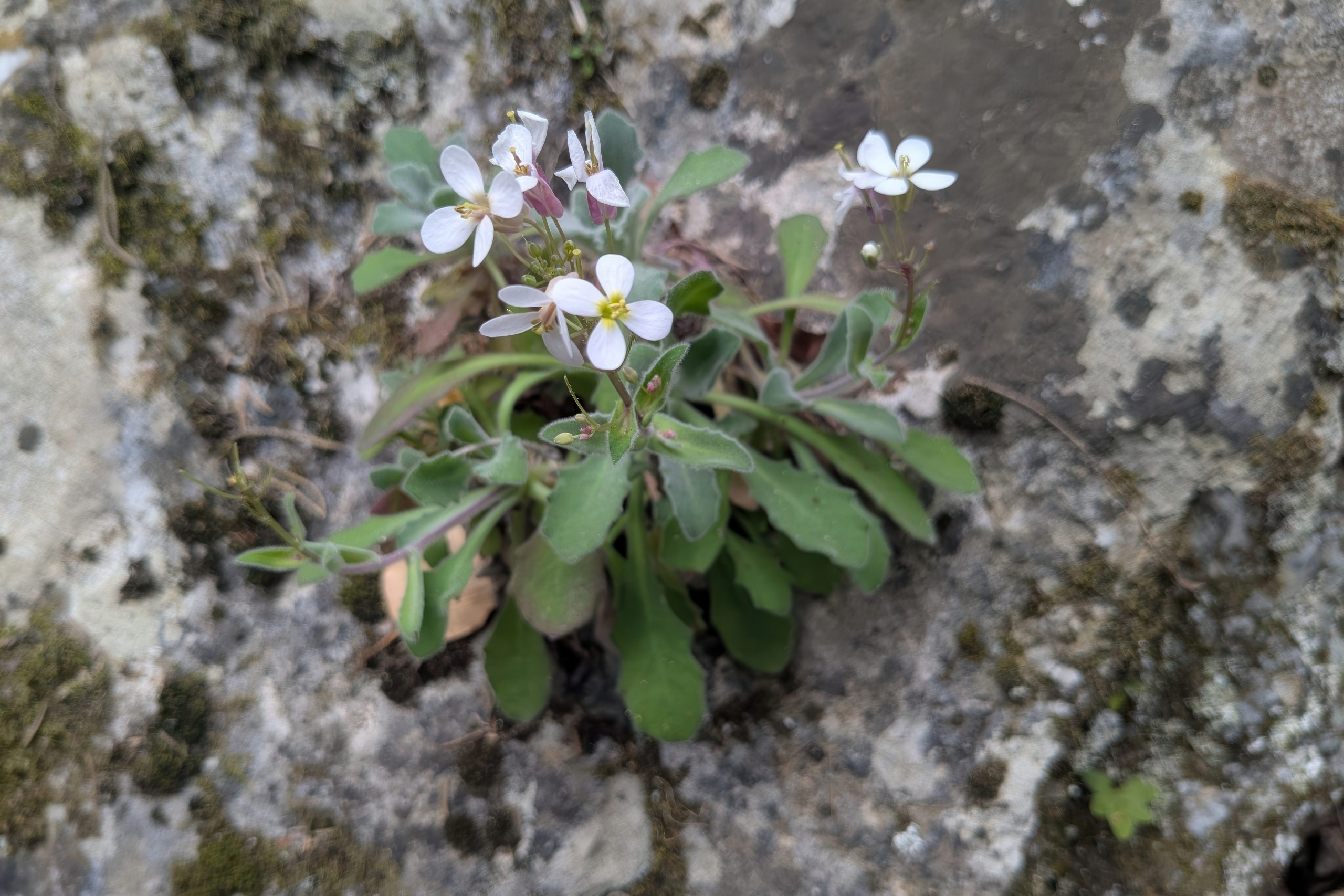
Arabis, commonly known as rockcresses, are a genus of flowering plants in the mustard family (Brassicaceae). In Cyprus, there are four notable species, three of which are endemic to the island: Arabis cypria, Arabis purpurea, and Arabis kennedyae, along with the more widespread Arabis verna. These hardy perennials or annuals are adapted to dry, rocky environments, producing charming flowers that attract pollinators in spring.

Background and Origins

The Arabis species in Cyprus have evolved over millennia in the island’s isolated ecosystems, particularly in the Troodos Mountains and northern ranges. Shaped by the Mediterranean climate with hot summers and mild winters, they trace their roots to ancient plant lineages that adapted to limestone cliffs and serpentine soils. Endemic varieties like Arabis purpurea and Arabis kennedyae highlight Cyprus’s role as a biodiversity refuge, surviving through geological changes that separated the island from surrounding lands.
www.inaturalist.org

Description

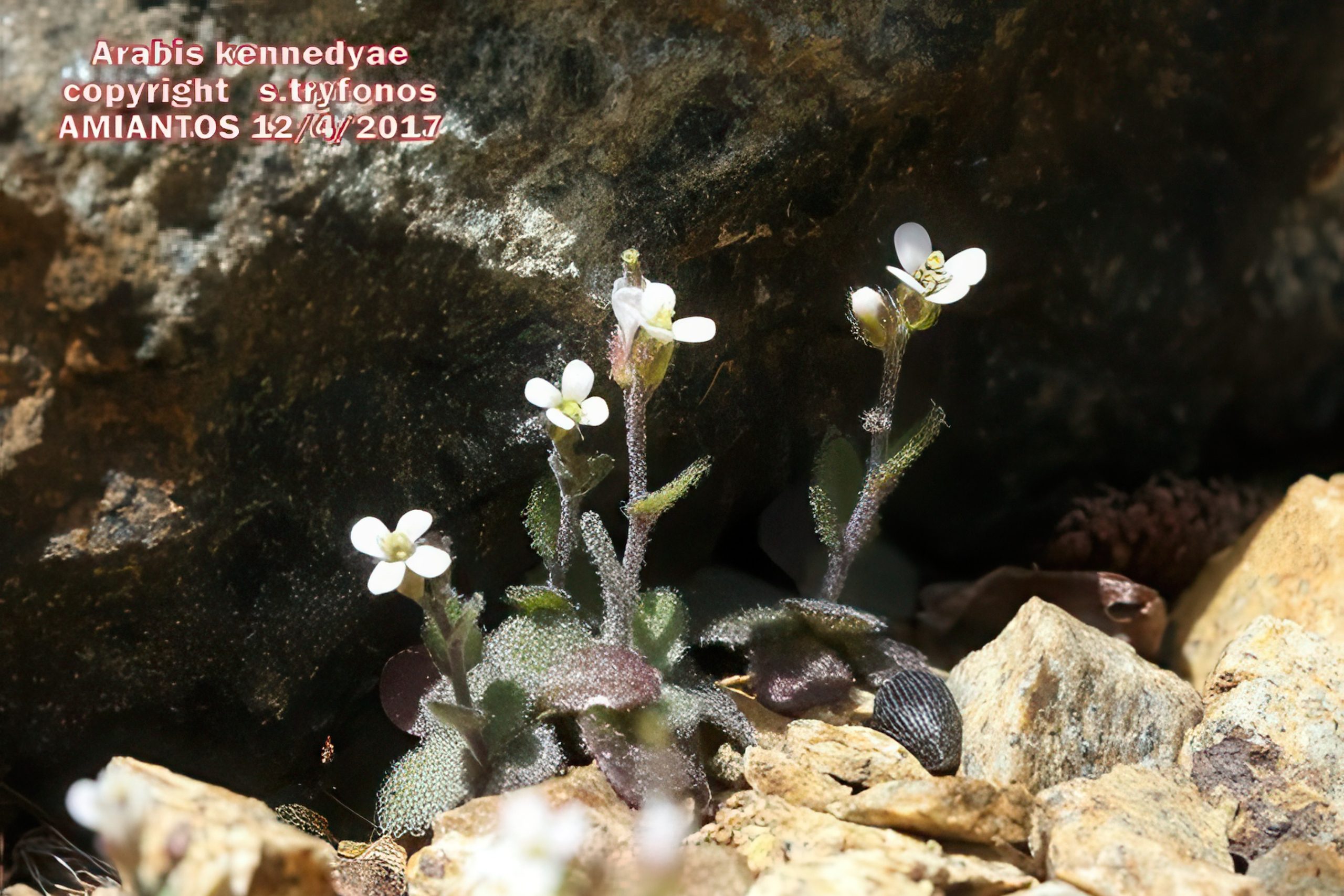
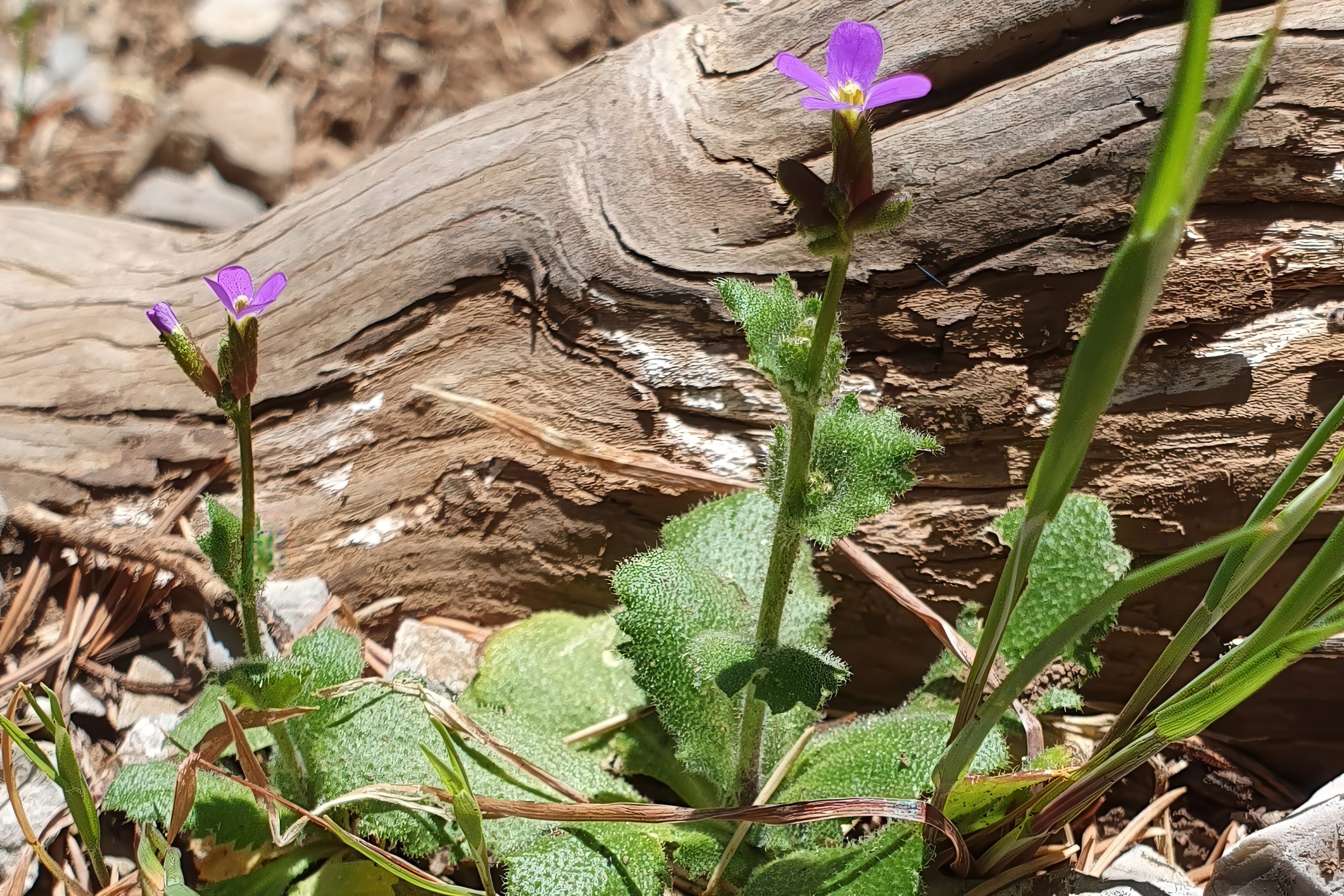
Arabis plants are typically low-growing, forming rosettes or mats with stems ranging from 10–40 cm tall. Their leaves are often toothed, oblong, and covered in fine hairs for protection against drought. Flowers emerge in dense clusters: Arabis purpurea boasts vibrant pink to purple petals, while Arabis cypria features white or pale pink blooms up to 1.5 cm across. Arabis kennedyae has smaller, lilac-tinged flowers on purplish stems, and Arabis verna adds violet hues. Seed pods follow, flat and elongated, dispersing in the wind.
www.inaturalist.org

Fun Facts

  • Arabis kennedyae, named after a botanist, is one of the rarest, growing only in a few spots in the Troodos and listed as Vulnerable due to its tiny habitat.
  • These plants can bloom as early as February, turning rocky outcrops into colorful displays that signal the end of winter.
  • Local lore sometimes calls them “mountain stars” for their star-shaped flowers that seem to sparkle against stone backgrounds.

Additional Information

Botanically, Arabis species prefer calcareous or serpentine soils at elevations from 500 to 1,800 meters, often in open woodlands or cliffs. Arabis purpurea and Arabis cypria are perennials forming cushions, while Arabis kennedyae is an annual or biennial. They are pollinated by insects and play roles in soil stabilization. Conservation status varies: endemics are protected under Cypriot law and EU habitats directives, with threats from grazing, development, and climate change.
www.savvastryfonosplants.com

Connection to Today

In modern Cyprus, Arabis species symbolize the island’s rich endemic flora and the push for environmental protection. They appear in botanical studies, nature reserves, and eco-tourism initiatives, raising awareness about biodiversity loss. For Cypriots, they represent resilience, featured in local art and conservation campaigns that tie into broader efforts to preserve the Troodos as a UNESCO Global Geopark.

Visiting or Experiencing

Spot Arabis in bloom from late winter to spring (February–May) in the Troodos Mountains, such as near Mount Olympus or Platres trails, or northern areas like the Kyrenia range for Arabis cypria. Easy hikes like the Artemis Trail offer views of these plants clinging to rocks. The experience is serene—wandering paths with the scent of wildflowers and mountain air, but stick to trails to avoid disturbing fragile habitats. Guided tours from Nicosia can enhance sightings.
www.inaturalist.org

The Arabis species of Cyprus may be modest in size, but they capture the essence of the island’s untamed beauty and evolutionary wonders. From its role as a model organism for studying perennial life cycles to its status as a rare endemic tucked away in the Troodos range, Arabis is a fascinating genus that rewards any observant hiker in Cyprus.
Explore our top stories and discover ideas worth your time.

Sun-Chasing Yellow Blossoms of Cyprus

Sun-Chasing Yellow Blossoms of Cyprus

Springtime in Cyprus brings a splash of sunshine to rocky hills with Cyprus Rock-rose Helianthemum obtusifolium, a wildflower that's like a mini sunrose hugging the ground. This tough little plant, found only on the island, turns dry slopes into cheerful displays. But why does it follow the sun, and what ancient stories hide in its petals? www.inaturalist.org Just What Is This Sunny Cypriot Native? Helianthemum obtusifolium is a small, shrub-like wildflower from the rockrose family, the kind of plants that love sunny, dry spots around the Mediterranean. It's a perennial that pops up year after year, adding bright yellow touches to Cyprus's wild landscapes without needing much care. Roots in Cyprus's Ancient Earth and Botanical Tales Millions of years ago, as ancient seas dried up and tectonic shifts shaped Cyprus's rocky hills, plants like this one adapted to the island's isolation, evolving into unique species. First named in 1824 by French botanist Michel Félix Dunal, it draws from Greek words for "sun flower," reflecting how explorers in the 19th century uncovered Cyprus's floral secrets during Mediterranean expeditions. It's part of a broader story of how Cyprus, like a natural time capsule, preserved these gems from prehistoric times. A Fuzzy Bush with Crinkly Yellow Charms This low-growing plant reaches about 25-30 cm tall, with woody stems that spread out like a…

Read more
Dandelion Natural Healer Hiding in Plain Sight

Dandelion Natural Healer Hiding in Plain Sight

Scattered across Cyprus's fields and paths, a sunny yellow flower known as the Cyprus dandelion catches the eye like a little burst of cheer. This humble plant, often mistaken for its common cousins, has roots in ancient remedies and a knack for thriving where others might not. But what makes it stand out in the crowd of dandelions, and why has it been cherished for centuries? www.inaturalist.org Getting to Know This Cheerful Meadow Dweller The Cyprus dandelion, or Taraxacum cyprium, is a wild flowering plant that's part of the vast dandelion family. It's like the familiar backyard weeds we all know, with yellow blooms that turn into fluffy seed balls, but this one has a special Cypriot twist. Locally called "Πικραλίδα" (pikralida), meaning "bitter one," it gets its name from the sharp, tangy taste of its leaves—a flavor that's been both a delight and a medicine for locals. A Story Rooted in Cyprus's Ancient Soils Dandelions have dotted the Mediterranean landscape for millions of years, evolving as the island of Cyprus rose from ancient seas through volcanic and tectonic shifts. Taraxacum cyprium was first described in 1931 by Finnish botanist Harald Lindberg, but its genus name comes from Greek words for "disorder remedy," hinting at how ancient healers in Cyprus and beyond used similar plants for everything from tummy aches…

Read more
Bosea Cypria

Bosea Cypria

High on a sun-bleached limestone cliff in the Akamas or along a rocky gulley near Paphos, you might spot a graceful evergreen shrub with deep-green leaves cascading like a living curtain. In late summer its branches glow with clusters of bright red berries that shine like tiny rubies against the rock. This is Bosea cypria, a quiet but extraordinary survivor that has clung to the island’s rugged edges for millions of years. www.inaturalist.org An Ancient Shrub from the Amaranth Family Bosea cypria belongs to the Amaranthaceae family – the same group that gives us spinach, beetroot and colourful garden amaranths. Unlike most of its relatives, which are soft-stemmed herbs, this species is a woody evergreen shrub, one of only three living members of the genus Bosea worldwide. In Cyprus it grows 1–2 metres tall, highly branched, often pendulous, seeming to drape dramatically from cliffs, old stone walls or even tree trunks. A Living Fossil from the Ancient Tethys Sea This plant is a true botanical relic. Its ancestors once grew along the shores of the vast Tethys Sea during the Tertiary period, long before the Mediterranean took its present form. As continents drifted and the sea shrank, most Bosea species disappeared; today only three remain — one in Cyprus, one in the Canary Islands and one in the north-west Himalayas.…

Read more
