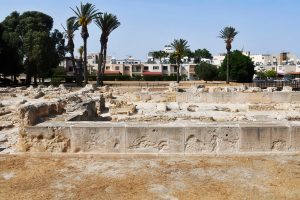
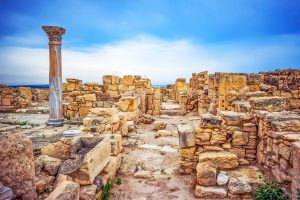
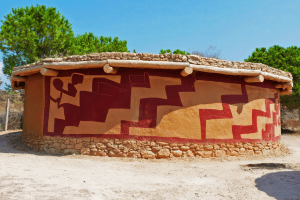
Pyrgos-Mavroraki is an Early to Middle Bronze Age settlement on the southern coast of Cyprus near modern Limassol. Excavations began in the early 2000s by the Italian Archaeological Mission of ITABC-CNR.
Radiocarbon dating shows copper smelting started here as early as 4229–3960 BC during the Chalcolithic period. Even older copper slag from 8631–8291 BC was found, possibly from accidental metal use while making lime. This makes Pyrgos one of the earliest places for metal work in the Mediterranean.
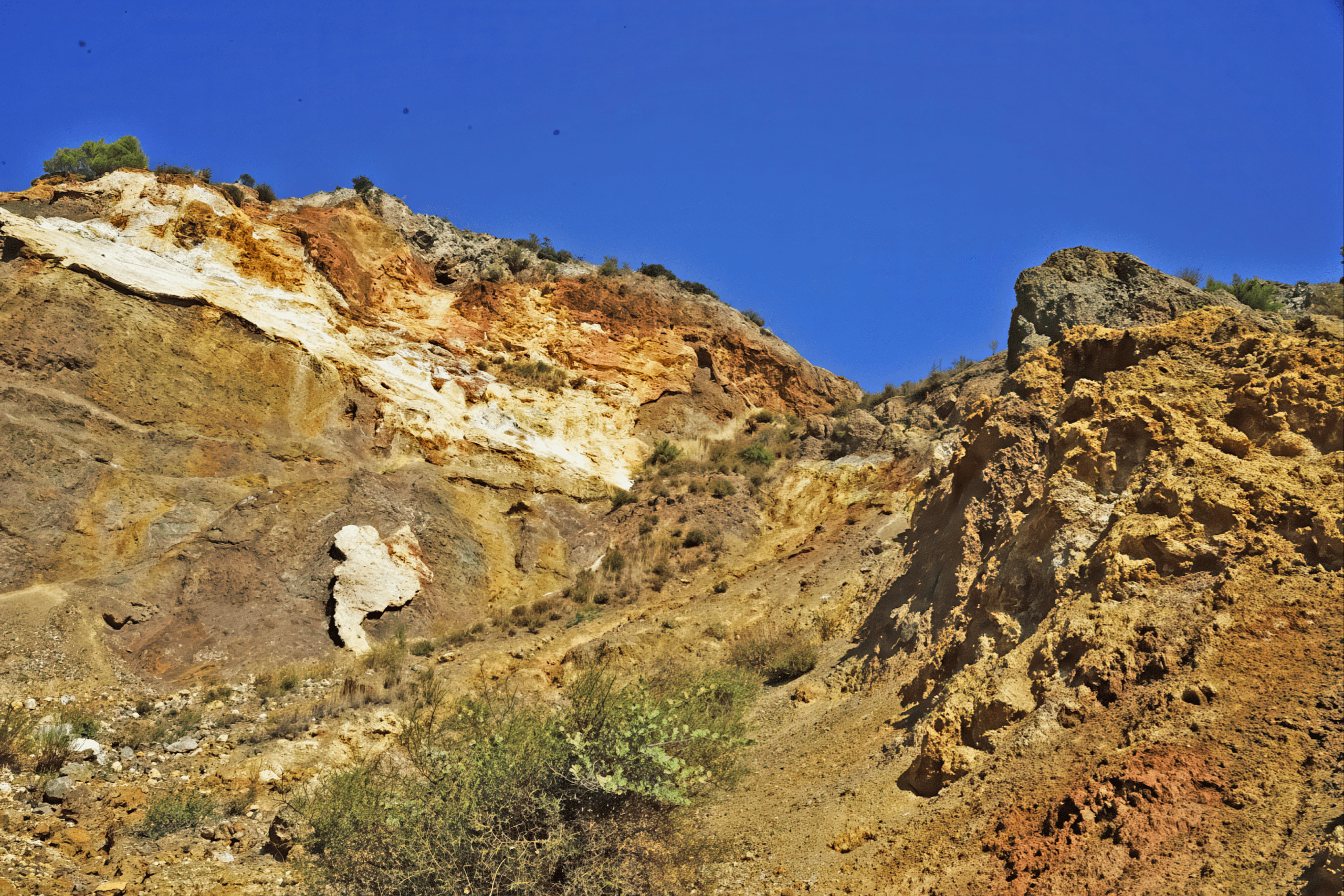
The settlement was on the slope of a small hill in a valley crossed by a stream. It sat on rocks with copper and had easy access to nearby mines at Mavrovouni and other sites. People lived there continuously from the 9th millennium BC until an earthquake destroyed it around 1850 BC.
Historical Background
The area around Pyrgos was rich in copper deposits and had plenty of water, making it ideal for metalworking. Nearby mines created a line of activity along the coast through villages such as Aghios Tychonas, Parekklisha, Pyrgos, Moni, Monagroulli, Asgata, and Kalavassos.
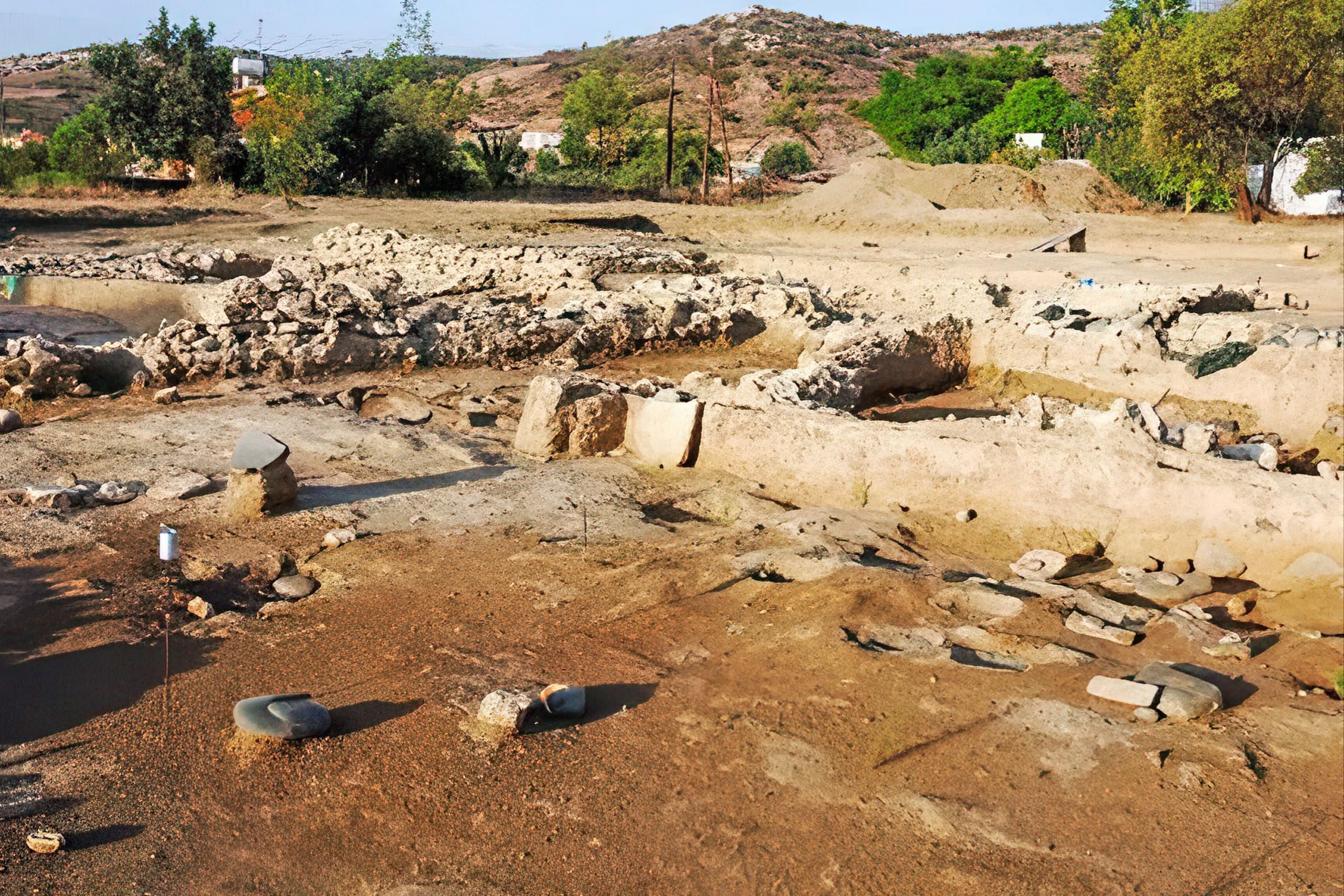
Excavations at Pyrgos-Mavroraki revealed the full process of copper production. Archaeologists found workshops with basalt anvils, thousands of copper nuggets, broken crucibles, clay molds, stone tools, and pit furnaces dating to the early Bronze Age. These finds show how copper was extracted, processed, and shaped at the site.
Unlike most Bronze Age mining sites, the copper ore at Pyrgos was processed on-site instead of being sent elsewhere for smelting. This included multiple metallurgical areas and structures that appear to be furnaces, with lots of leftover slag across the settlement.
One unusual feature was the close placement of furnaces near an olive press and large storage jars for olive oil. Very little charcoal was found in the furnace remains, which led researchers to test if olive oil or its residue could have been used as fuel. Experiments confirmed this was possible, revealing a new understanding of Bronze Age metalworking techniques.
The Perfume Factory and Luxury Goods Production
In 2003, archaeologists discovered what is now considered the oldest perfume factory in the world, dating back to around 1850 BC. The factory covered about 3,230 square feet and was part of a larger industrial area at Pyrgos. The buildings were destroyed by the earthquake that ended the settlement, but perfume bottles, mixing jugs, and stills were preserved under the collapsed walls.
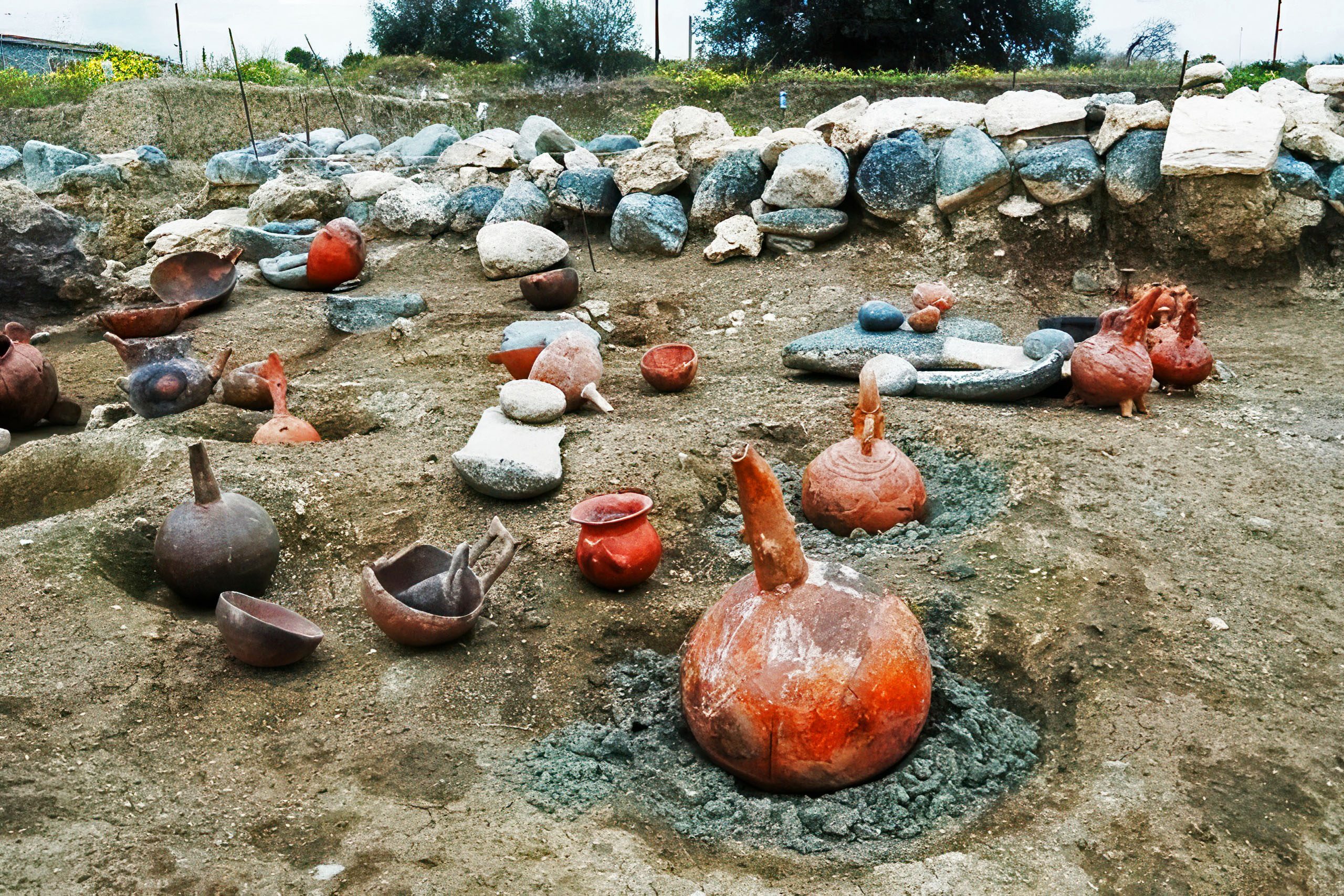
The perfume-making process involved placing fragrant plants like rosemary, coriander, parsley, and local herbs into clay pots with rainwater and specially prepared olive oil. The pots were partially buried in hot ashes, with spouts sticking out so water could evaporate. After about a week, workers uncovered the pots, strained the oil, and pressed the plant matter to extract the fragrance.
Chemical analysis has shown that Pyrgos perfumes included almond, coriander, myrtle, conifer resin, and bergamot. Modern reproductions of these perfumes were made using the same techniques and displayed at the Capitolini Museum in Rome in 2007 during the exhibition “The Perfumes of Aphrodite and the Secret of Oil.”
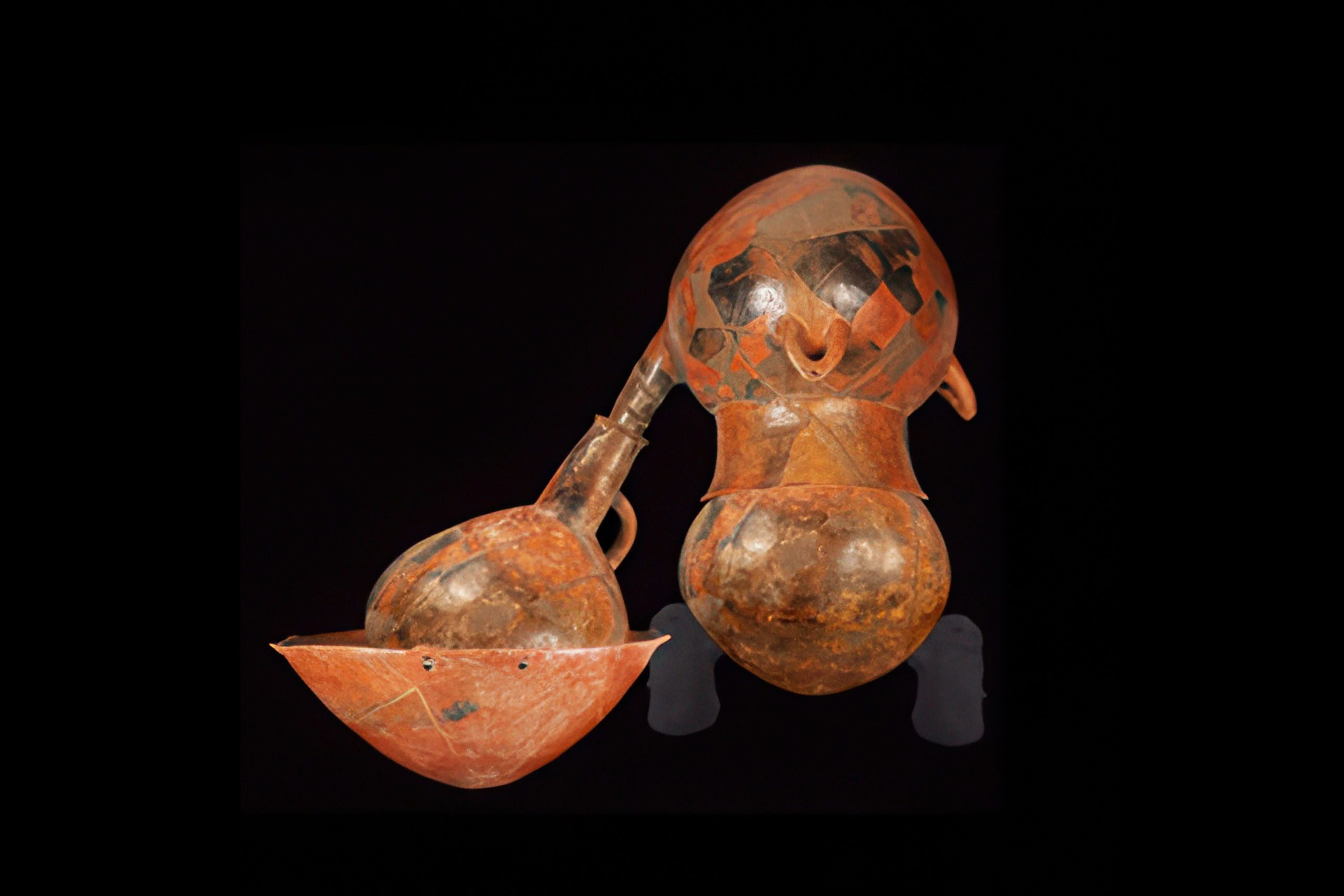
The site also included workshops producing cosmetics, bronze, textiles, and wine. These were high-value products in demand across the Mediterranean. The quality of Pyrgos goods helped establish Cyprus’s reputation as a source of luxury items, which may have contributed to its later connection with Aphrodite, the goddess of beauty and love.
Experimental Archaeology and Modern Research
Recent experiments have tested ideas about Bronze Age copper production at Pyrgos. Researchers built copies of the furnaces and used authentic Cypriot copper ore at the Perfume Theme Park Museum of Cyprus. The goal was to see if the Pyrgos furnaces worked and to understand the full smelting process.
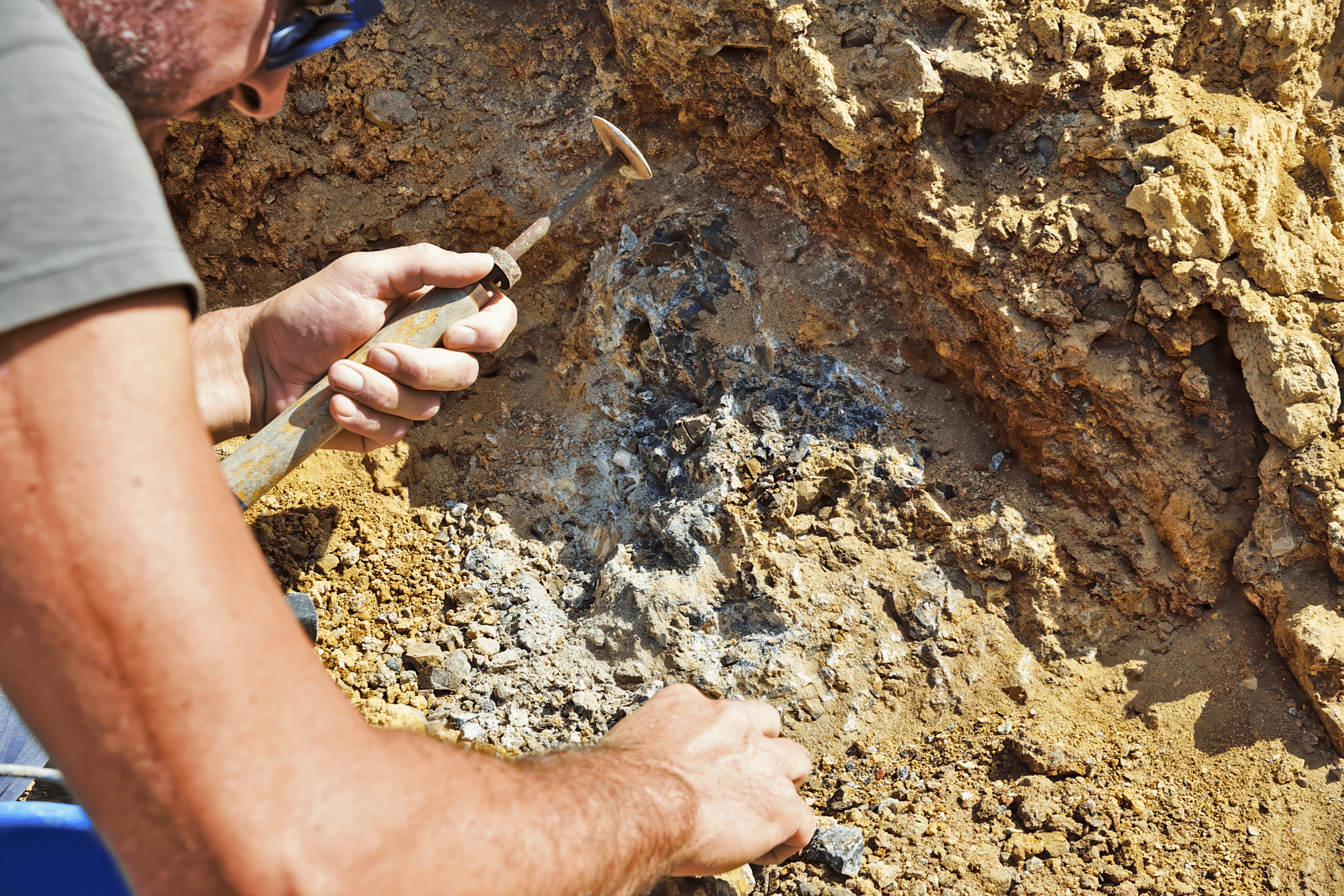
The experiments showed several important points. First, the pit furnaces at Pyrgos could successfully smelt local copper ore without the tall trunk-shaped furnaces used at other sites. Second, the strange shapes of the furnaces and their closeness to olive oil storage made sense, because olive oil could be used as extra fuel. Third, the lack of evidence for some processing steps suggested that Pyrgos focused on specific parts of copper production and traded for semi-processed materials from other places.
Understanding the timing of these metallurgical activities is important for knowing how early copper production shaped the social, economic, and technological development of Cyprus and the wider Mediterranean. Pyrgos gives a rare and continuous record, from accidental metalwork in the Neolithic to organized Bronze Age industrial production.
The Connection to Aphrodite
Archaeological evidence from Pyrgos supports the idea that Cyprus became linked with Aphrodite because of its long history of producing luxury goods. Excavations revealed workshops making bronzes, jewelry, fine fabrics, perfumes, ointments, medicines, and cosmetics at the heart of the settlement.
These products made Cyprus famous for beauty, wellness, and refinement, qualities later connected with the goddess Aphrodite. The perfumes, cosmetics, and bronze jewelry created at Pyrgos and similar sites helped establish the island’s reputation thousands of years before the Greek myths about Aphrodite took their familiar form.
During the Bronze Age, Cyprus exported olive oil-based perfumes, cosmetics, and medicines to Greece and other parts of the Mediterranean. When Greek settlers arrived, they likely encountered this tradition of luxury goods and linked it to the stories of Aphrodite, creating or adapting myths to explain the island’s long-standing connection with beauty, desire, and prized products.
Why Pyrgos-Mavroraki Matters
Pyrgos-Mavroraki shows that Cyprus was more than a source of copper. It was a center of technology and industry. The combination of metalworking, perfume making, textile production, and other crafts in one site reveals advanced economic organization and skilled labor at a very early time.
The site’s 4,000-year history gives a rare look at how copper technology developed, from accidental discovery to systematic industrial production. Radiocarbon dates from slag (8631-8291 BC, 4229-3960 BC, 2201-1948 BC, and 1937-1738 BC) show almost continuous copper processing and technological progress.
Pyrgos was also important for Mediterranean trade. Few metal objects were found in local graves, suggesting most goods were made for export. Its location near the ancient Amathus harbor and other small anchorages allowed Cyprus to trade with Egypt, the Levant, Anatolia, and the Aegean, connecting the island to a wide network of commerce.
The Site Today
Much of ancient Pyrgos-Mavroraki now lies under the modern village and private properties, which makes digging and studying the site difficult. The Italian Archaeological Mission continues to work on the parts that are exposed. Scientists also study the recovered materials to learn more about Bronze Age technologies.
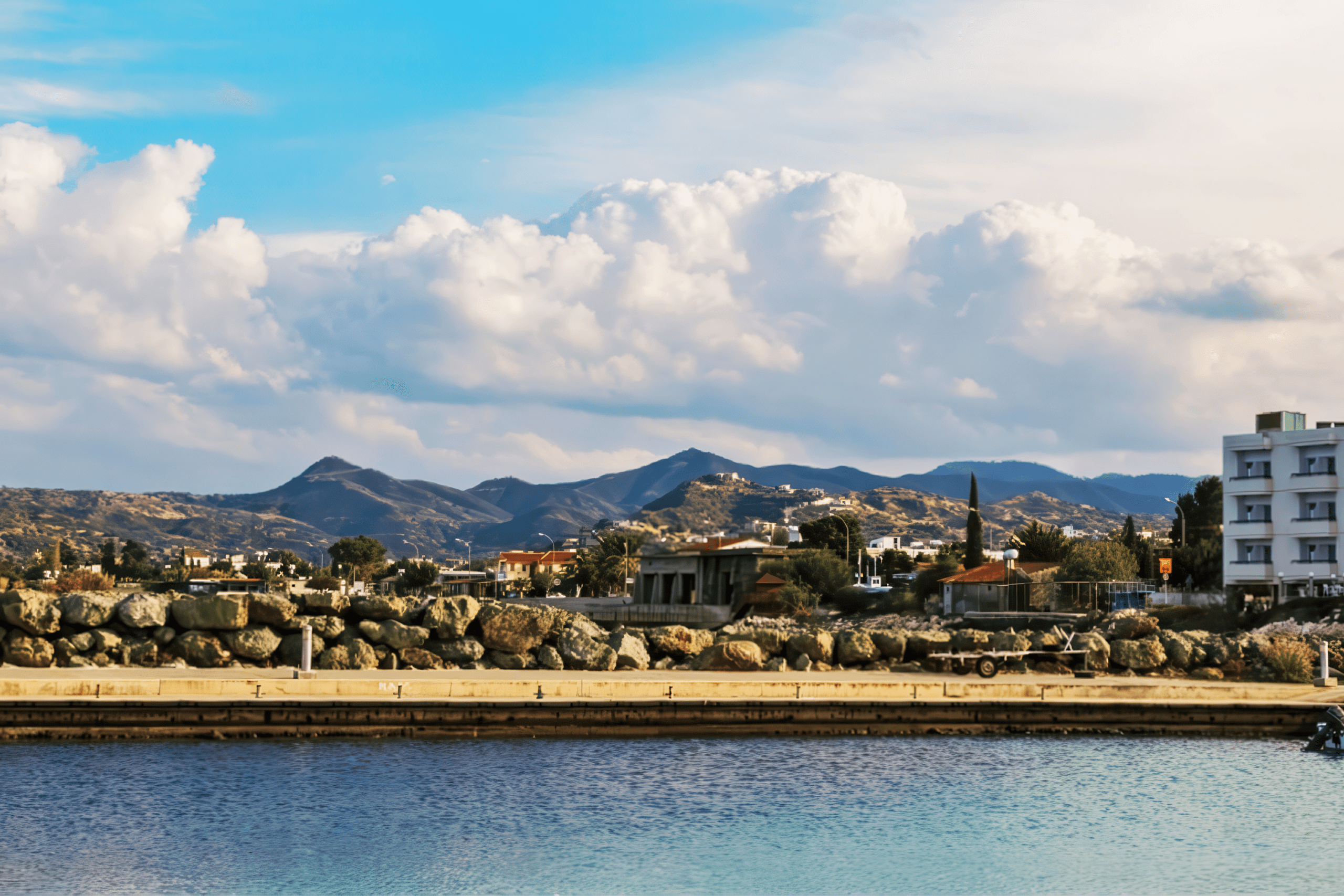
The Perfume Theme Park Museum of Cyprus is nearby. It shows visitors the perfume factory and displays reconstructions of the tools and equipment used in ancient perfumery. The museum helps people understand how perfume production was part of the larger industrial life of Bronze Age Cyprus.
A Complete Industrial Ecosystem
Pyrgos-Mavroraki shows how an ancient industrial society really worked. It was not just a mining camp. Raw materials were extracted, processed, refined, and turned into finished products all in one area. Everything was planned for efficiency.
The site connects copper smelting with perfume and cosmetics production. The same olive oil used to fuel furnaces also served as the base for perfumes and cosmetics. Bronze tools made on site were used for textiles and other crafts. Each part of the industrial complex supported the others.
When the earthquake destroyed Pyrgos around 1850 BC, it froze a moment of Bronze Age industrial life. The collapsed workshops, with tools and materials still in place, show exactly how people worked day after day. They give evidence that no written record could match, revealing the real daily life of this ancient industrial center.