Paphos Forest Nature Reserve stands as one of the largest and most ecologically significant protected areas in Cyprus. Spanning approximately 620 square kilometers across the northwestern Troodos Mountains, this vast wilderness represents the island’s most extensive continuous forest ecosystem.
The reserve gained official protected status through a series of conservation measures beginning in 1938, when the government recognized the urgent need to preserve the habitat of the endangered Cyprus mouflon. Today, the forest functions as a critical biodiversity hotspot, home to dozens of endemic species found nowhere else on Earth.
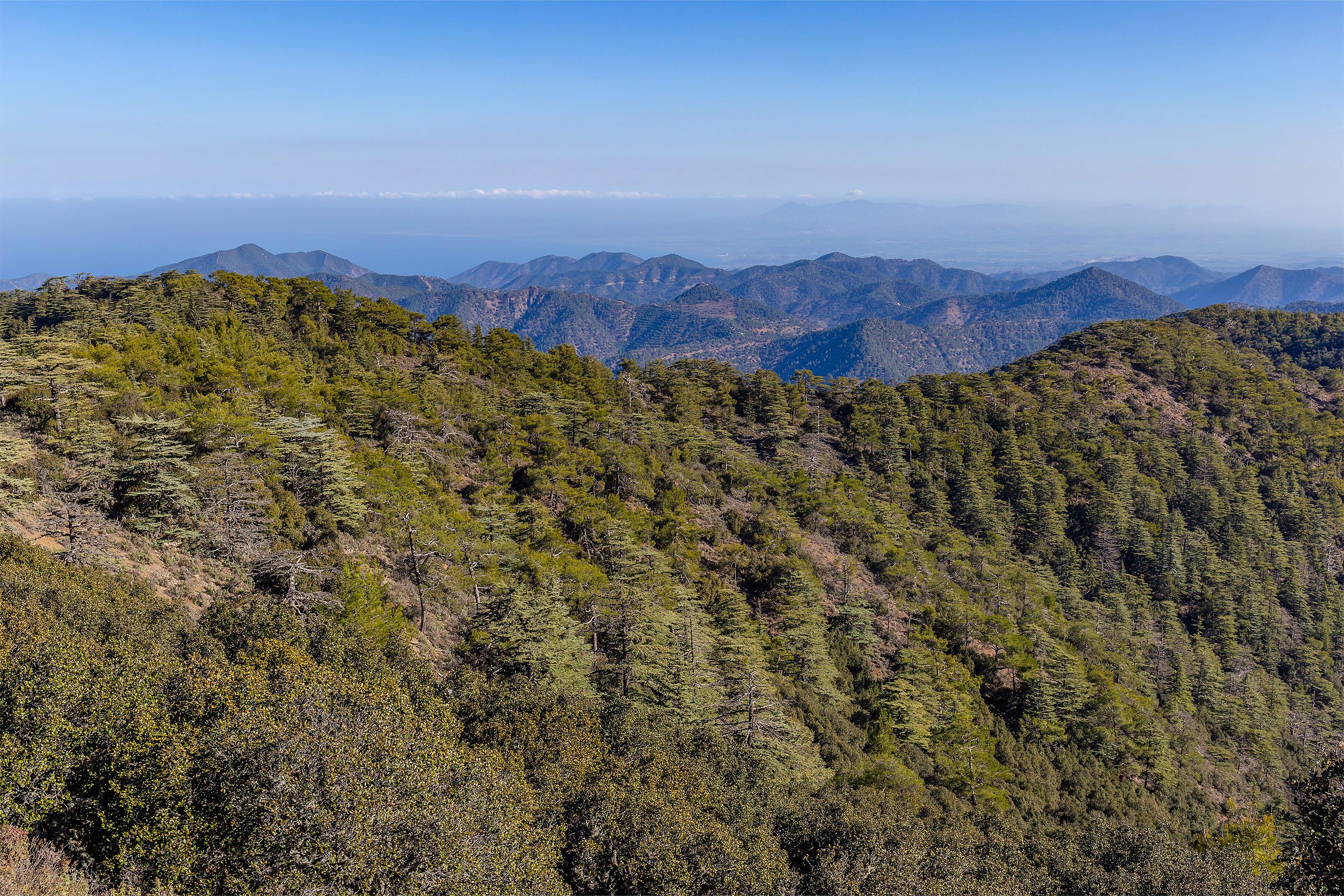
The landscape ranges from dense pine forests and ancient cedar groves to golden oak woodlands and riparian vegetation along mountain streams. This diversity of habitats supports an exceptional variety of wildlife, from large mammals to rare insects, making it an essential sanctuary for Mediterranean biodiversity.
Historical Background
The history of Paphos Forest as a protected area began with a crisis. By the early 20th century, the Cyprus mouflon population had collapsed to approximately 25 individuals due to relentless hunting. The animals faced imminent extinction. In response, the British colonial administration declared the entire Paphos Forest a permanent game preserve on November 4, 1938.
This unprecedented action protected not only government land but also private properties within the forest boundaries and holdings of the Kykkos Monastery. The decision proved controversial, particularly among local communities who relied on the forest for hunting and agriculture. A revised decree in 1944 excluded some private properties from the strictest protections, though the core conservation area remained intact.
Following independence, the Republic of Cyprus continued and expanded these protective measures. The Department of Forestry assumed responsibility for managing the forest and monitoring wildlife populations. Forest fires presented ongoing challenges, with a particularly devastating blaze in 1974 destroying 35 percent of the Paphos Forest and the northwest Troodos range.
Subsequent reforestation efforts focused on fast-growing Calabrian pine, which dramatically altered the forest’s character. In 1977, portions of the forest received designation as Nature Reserves, ensuring the highest level of protection for areas like Cedar Valley and Mavri Gkremmi. Today, the forest’s inclusion in the European Natura 2000 network provides additional international recognition and protection.
A Landscape of Exceptional Natural Variety
The reserve comprises extended natural habitats hosting fourteen distinct habitat types recognized under European conservation directives. The dominant ecosystem consists of Calabrian pine forests that stretch from lowland elevations of 200 meters to the peak of Tripylos at 1,352 meters. These pine woodlands represent the largest and most continuous forest ecosystem in Cyprus.
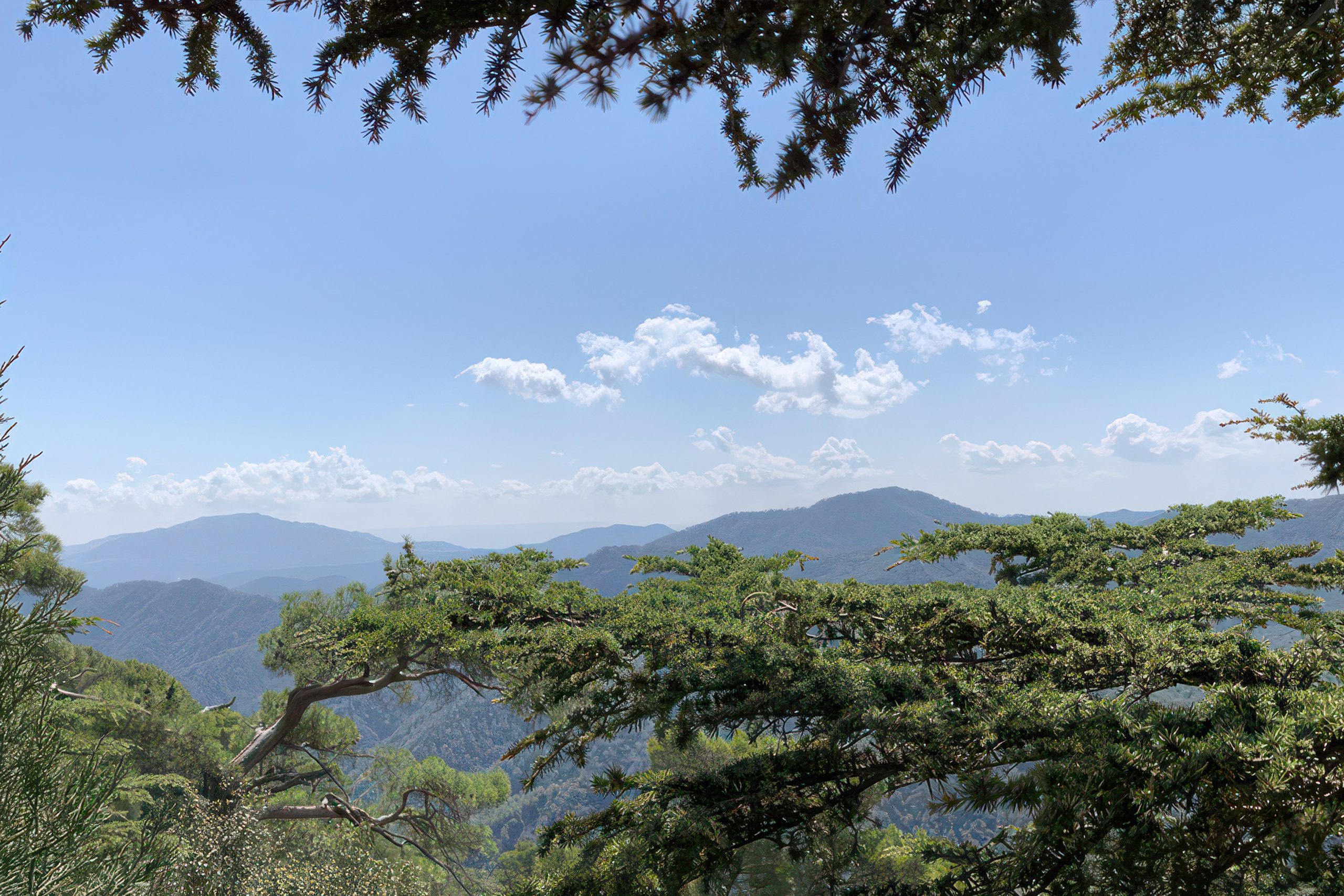
Scattered throughout the pine forests, golden oak woodlands provide critical habitat for numerous species. This endemic oak, Quercus alnifolia, occurs only in Cyprus and forms distinctive low forest vegetation on rocky slopes. The reserve’s most celebrated botanical feature remains Cedar Valley, where approximately 50,000 Cyprus cedars grow in concentrated stands. The majority of these trees occur in the Tripylos location, which comprises 16,000 mature individuals and 135,000 younger specimens.
Riparian corridors support diverse broadleaf vegetation including oriental plane, alder, bay laurel, and myrtle. In lower elevations, the forest transitions to Mediterranean scrubland characterized by aromatic herbs and small shrubs. The number of flora species found in Paphos Forest exceeds 600, with 50 endemic species unique to Cyprus.
Remarkable Facts About a Wildlife Haven
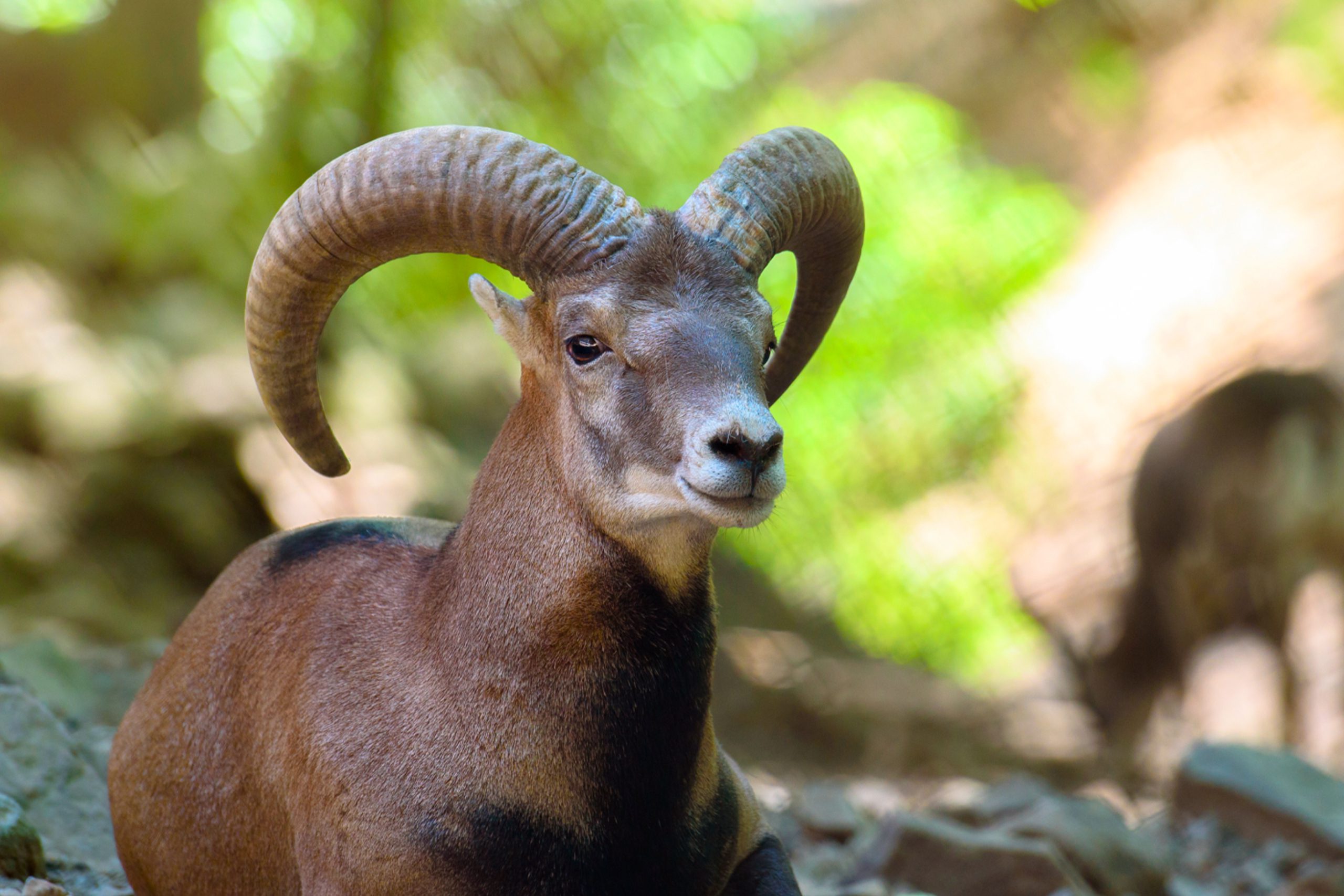
The Cyprus mouflon serves as the reserve’s flagship species and Cyprus’s national animal. An 1878 forestry department estimate counted only 25 mouflons remaining, but conservation efforts have increased their numbers to approximately 3,000 individuals today.
These wild sheep descended from domestic stock introduced during the Neolithic period approximately 10,000 years ago. Male mouflons display impressive curved horns that can grow up to 85 centimeters long. Six endemic bird species make their homes in the forest, with about 100 bird species recorded in total and 40 species maintaining permanent residence.
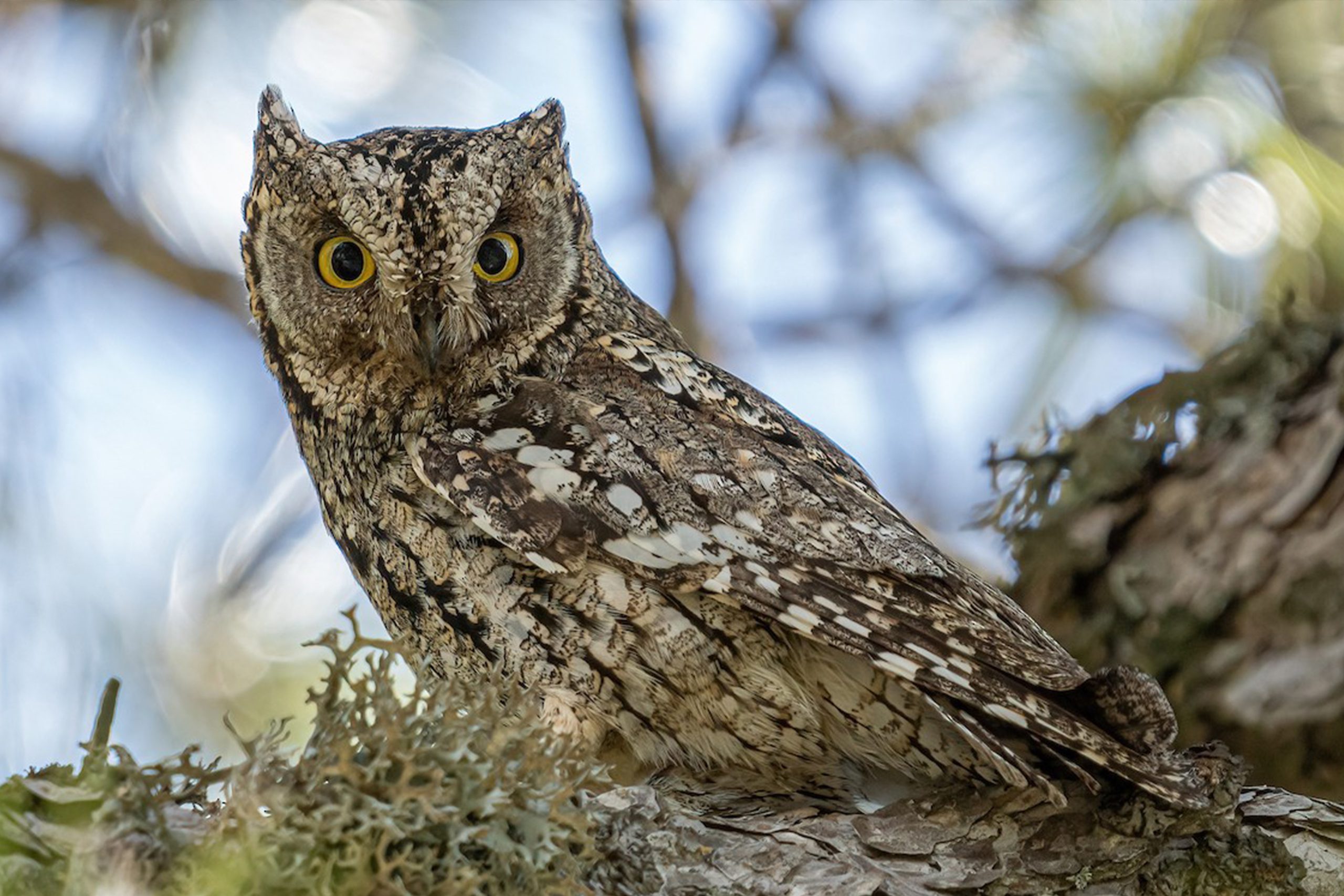
The Cyprus Scops Owl, recognized as a distinct species only recently through genetic analysis, nests throughout the reserve. Research programs have installed more than 230 nest boxes to support owl populations. The forest harbors 22 reptile species, including the Cyprus Whip Snake, which appears on European protected species lists.
Ten different bat species inhabit caves and hollow trees throughout the reserve. Among butterflies, the endemic Paphos Blue and Cyprus Meadow Brown flutter through forest clearings from spring through autumn. Three frog species survive in permanent streams, alongside freshwater crabs in mountain pools.
Endemic Species That Define the Forest
The Cyprus cedar stands as perhaps the forest’s most significant endemic organism. This species is the only endemic tree growing in Cyprus, known as the short-leaf cedar because it possesses the shortest needles compared with other cedar species. The total distribution of Cyprus cedar does not exceed 300 hectares, found mainly in Cedar Valley and at the top of Tripylos.
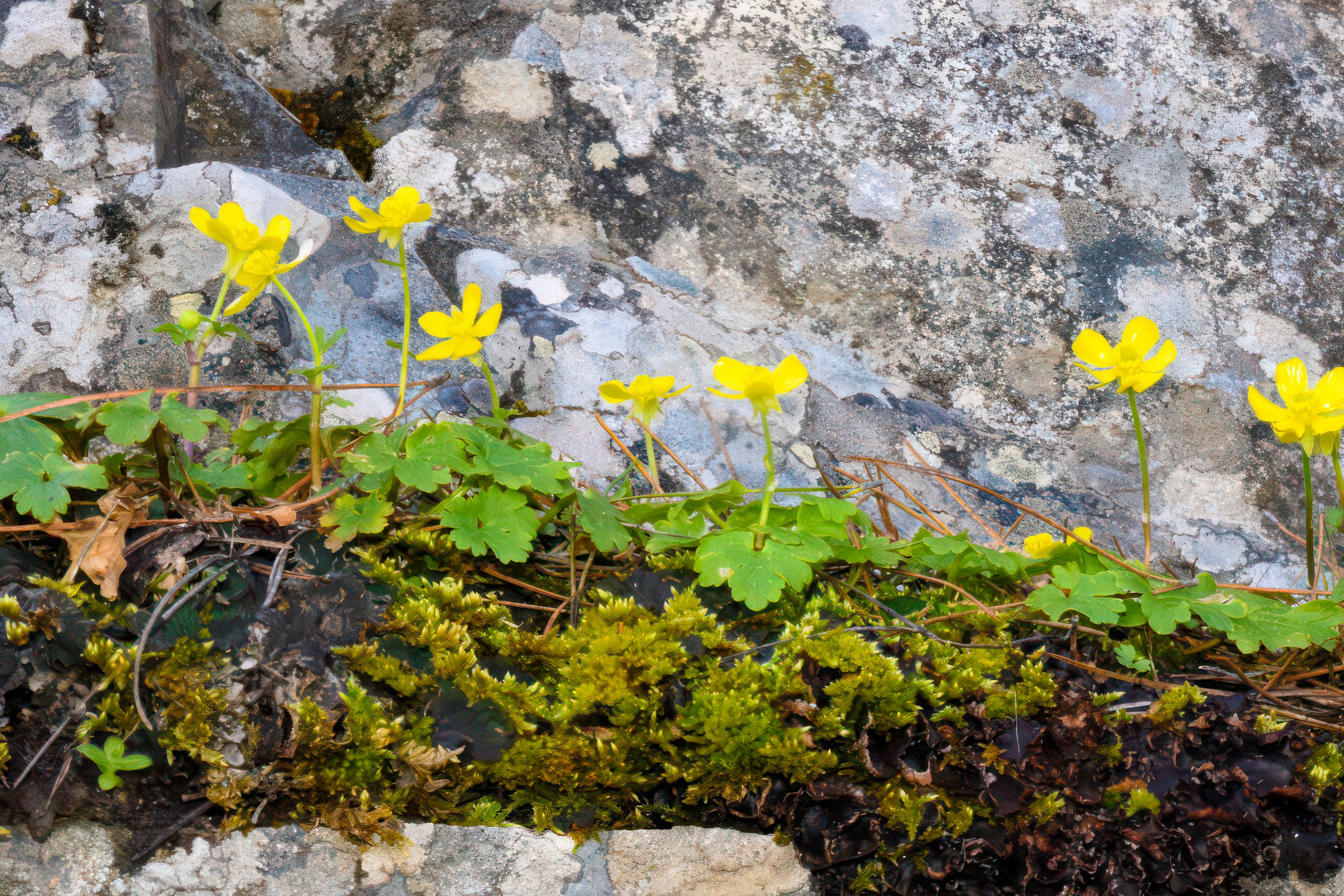
These slow-growing conifers can live for centuries, developing distinctive umbrella-shaped crowns and horizontal branching patterns. The wood contains natural compounds that resist rot and insect damage. Among endemic plants, three species receive special protection under European directives. Ranunculus kykkoensis, a wildflower found exclusively in Paphos Forest, blooms in rocky areas. Phlomis cypria maintains its largest population within the reserve. Arabis kennedyae, a priority conservation species, reaches its westernmost distribution limit in Cedar Valley.
The Cyprus mouflon represents the island’s only endemic large mammal. The population is estimated at 2,500 to 3,000 animals, living mainly in the Paphos State Forest and surroundings. These animals exhibit island dwarfism, standing approximately 18 percent smaller than their mainland ancestors. The Cyprus mouse, discovered and described as a new species only in 2006, represents the first new mammal species identified in Europe in a century.
A Living Laboratory for Mediterranean Conservation
Paphos Forest Nature Reserve demonstrates the effectiveness of long-term conservation strategies. The mouflon recovery from near extinction to stable populations represents one of the Mediterranean’s most successful wildlife conservation programs. This success required sustained commitment, including habitat protection, anti-poaching enforcement, and breeding programs at the Stavros tis Psokas forestry station.
The reserve now faces modern conservation challenges. Climate change brings prolonged droughts and extreme temperatures that stress forest ecosystems. The low genetic diversity among mouflons creates vulnerability to disease outbreaks, particularly given contact with domestic livestock at forest edges.
Feral dog populations occasionally prey on young mouflons, though this threat appears less severe than media reports suggest. Competition between mouflons and expanding agricultural areas creates ongoing tension. The forest’s monoculture of replanted pines, while visually impressive, provides less diverse food sources than the original mixed forest.
Pine needles create acidic soil conditions that inhibit understory plant growth, reducing available forage. Research programs continue to monitor wildlife populations, track genetic diversity, and study ecosystem health. The reserve functions as an outdoor laboratory for understanding Mediterranean species adaptation to environmental change. International collaboration through European conservation networks provides additional resources and expertise for forest management.
Experiencing One of Cyprus’s Greatest Natural Treasures
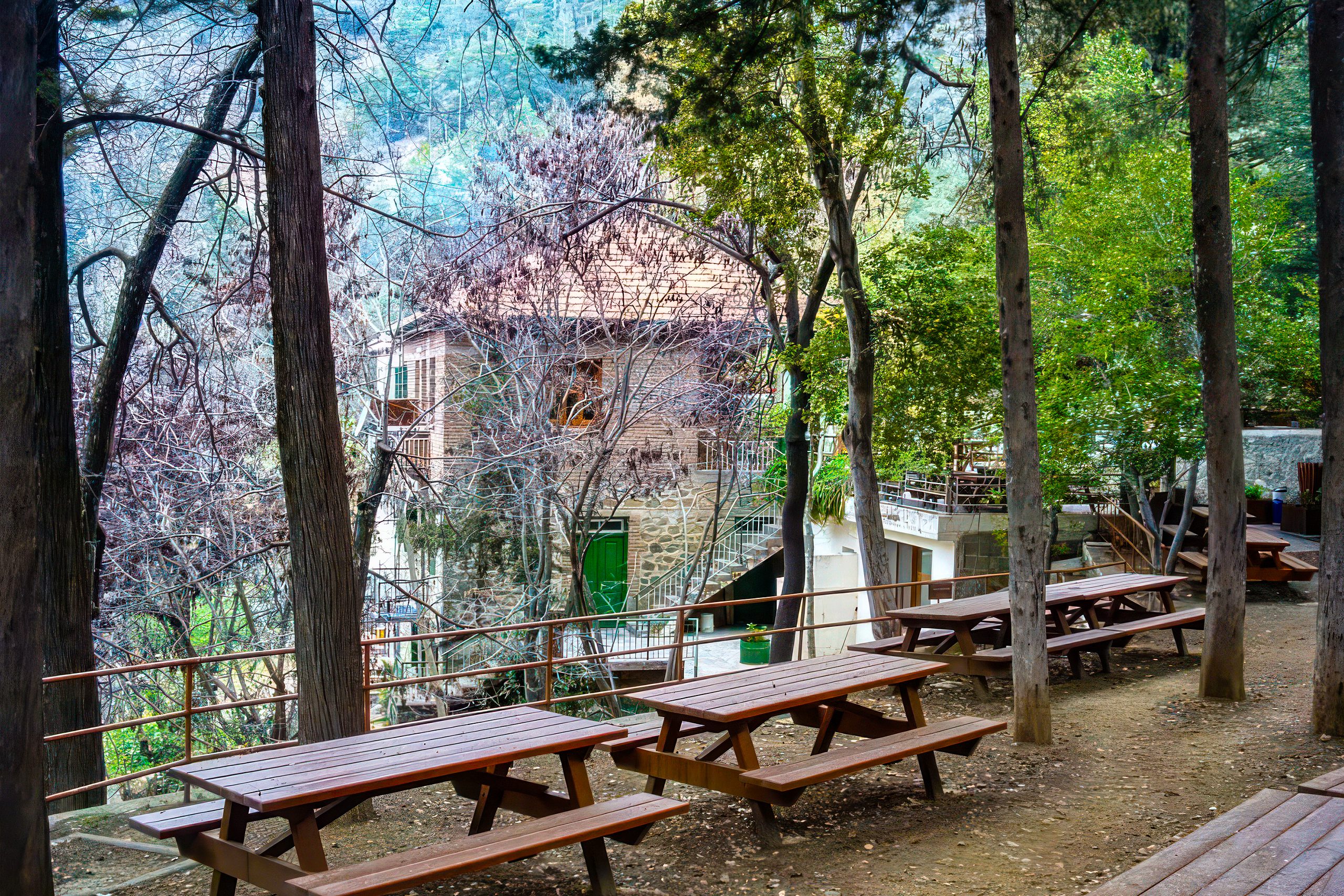
Paphos Forest Nature Reserve offers multiple access points and experiences for visitors. The main entrance lies along the road connecting Panagia village with Kykkos Monastery. Cedar Valley serves as the primary destination for most visitors, located at the crossroads of Nicosia, Paphos, and Limassol districts. The drive to Cedar Valley requires navigating narrow mountain roads for approximately one to two hours from major towns. All access roads are paved, though conditions vary seasonally.
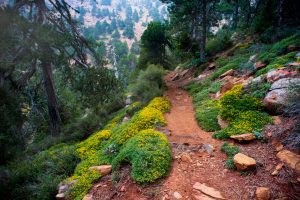
The valley itself features a dirt track extending 2.5 kilometers uphill along a mountain stream. This route provides opportunities to observe cedar forests up close and spot wildlife. Stavros tis Psokas forestry station maintains a mouflon enclosure where visitors can observe these shy animals at close range. The station also offers basic accommodation for overnight stays. Hiking trails wind through various forest zones, though signage remains minimal and navigation skills are essential.
Spring months bring wildflower blooms and peak bird activity. Autumn offers cooler temperatures and the possibility of seeing mouflons during their mating season. Winter occasionally brings snow to higher elevations, transforming the landscape. Summer heat can be intense in lower elevations. The forest remains largely free of commercial development, preserving its wilderness character. No restaurants or shops operate within the reserve, requiring visitors to bring food and water.
Why This Forest Matters Beyond Its Borders
Paphos Forest Nature Reserve protects more than individual species. It preserves functional Mediterranean ecosystems that demonstrate how nature operated before intensive human modification. The forest provides critical services, including water regulation, soil stabilization, and carbon storage. Its role in maintaining Cyprus’s biodiversity cannot be overstated. The reserve functions as a genetic reservoir, maintaining populations of endemic species that exist nowhere else.
Loss of these populations would mean global extinction for several organisms. The forest demonstrates that conservation investments produce results. The mouflon recovery proves that determined protection efforts can reverse species decline even from the brink of extinction. For Cypriot identity, the forest and its wildlife hold symbolic importance. The mouflon appears on euro coins, airline logos, and sports team emblems.
Cedar Valley represents a national natural heritage worthy of pride and protection. The reserve also generates economic value through eco-tourism, research opportunities, and watershed protection. Its existence ensures that future generations will inherit functioning natural systems rather than degraded remnants. In an era of accelerating environmental change, Paphos Forest stands as proof that wilderness can persist when societies commit to its preservation.