Across Cyprus, every village has at least one night each year when the roads feel a little busier, the air smells faintly of smoke and grilled meat, and familiar voices reappear as if they never left. The panigyri, the traditional village festival, is that moment: a lived ritual shaped by faith, agriculture, and the island’s instinct for togetherness, turning quiet communities into crowded, luminous meeting places where memory and belonging become tangible again.
A Gathering of Everyone
The word panigyri carries its meaning in its roots. It comes from the ancient Greek panēguris, built from pan (“all”) and agora (“gathering” or “marketplace”), and it points to an older world where people came together for religious, political, and cultural life in the same shared space. In Cyprus, that idea endured through centuries of change and settled into the calendar as the central annual pulse of village life.
Today, a panigyri usually marks a patron saint’s feast day or aligns with a seasonal moment tied to harvest and local rhythm, which is why it often feels both sacred and grounded, elevated and practical at the same time. It blends devotion with celebration, turning the village square into a social arena where residents, visitors, and returning diaspora find each other again, sometimes after years, sometimes after a single season away.
What makes the panigyri feel uniquely Cypriot is not only what happens, but how it happens: through hospitality (filoxenia), joyful energy (kefi), and the careful pride of doing things with soul (meraki). These are lived behaviours rather than slogans, and they show up in the way tables expand, plates get shared, and strangers are treated like they arrived with someone.
Sacred Origins and Secular Joy
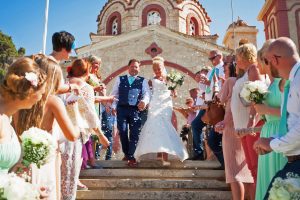
A traditional panigyri begins where the village’s deepest symbolism lives: the church. On the evening before the feast day, villagers gather for vespers and follow the procession of the saint’s icon through streets that suddenly feel ceremonial, even if they are streets people walk every day. Bread, wine, and oil are blessed and shared, not as performance, but as a reminder that community is sustained through both spirit and sustenance.
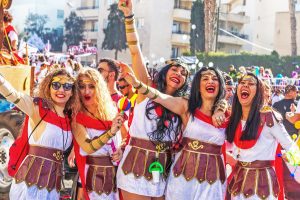
Then comes the shift that gives the panigyri its signature rhythm. After the religious rites, the village square changes character, not abruptly, but like a tide turning: lights brighten, stalls open, music finds its volume, and families gather in circles that gradually widen as friends spot friends and conversations stitch separate lives back into one shared evening. That movement from church to square is a Cypriot pattern you can feel in the body, a transition from solemnity to collective joy without losing respect for either.
Music That Holds the Village Together
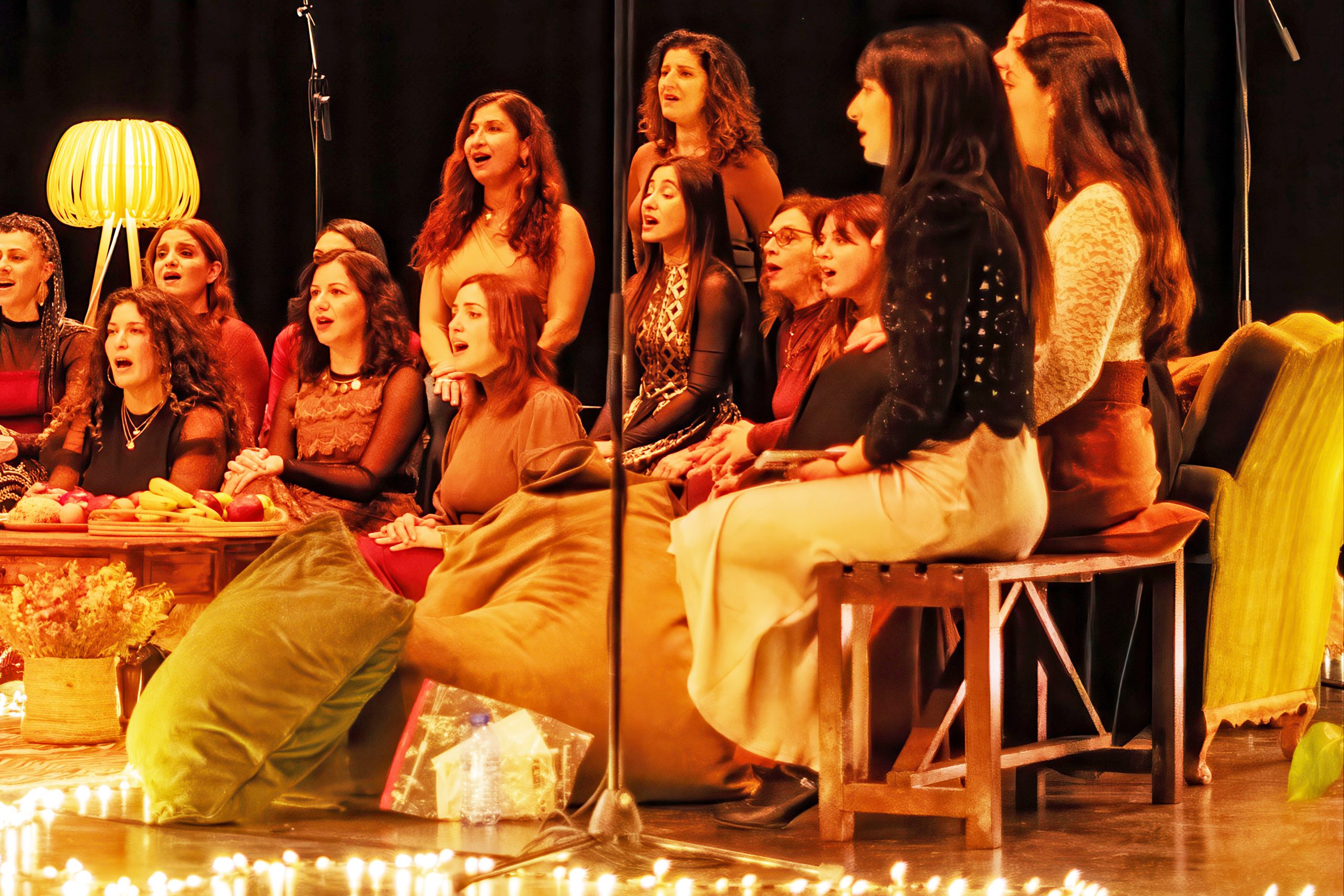
If the panigyri has a spine, it is music. The dominant sound is often the pairing of violin and laouto, the long-necked lute that drives rhythm forward with a pulse that invites feet to follow, even for people who insist they only came to “watch.” The style reflects Byzantine and Eastern Mediterranean influences, but it becomes something local in the way it carries across stone walls and open squares, shaping the night’s atmosphere as much as any decoration.
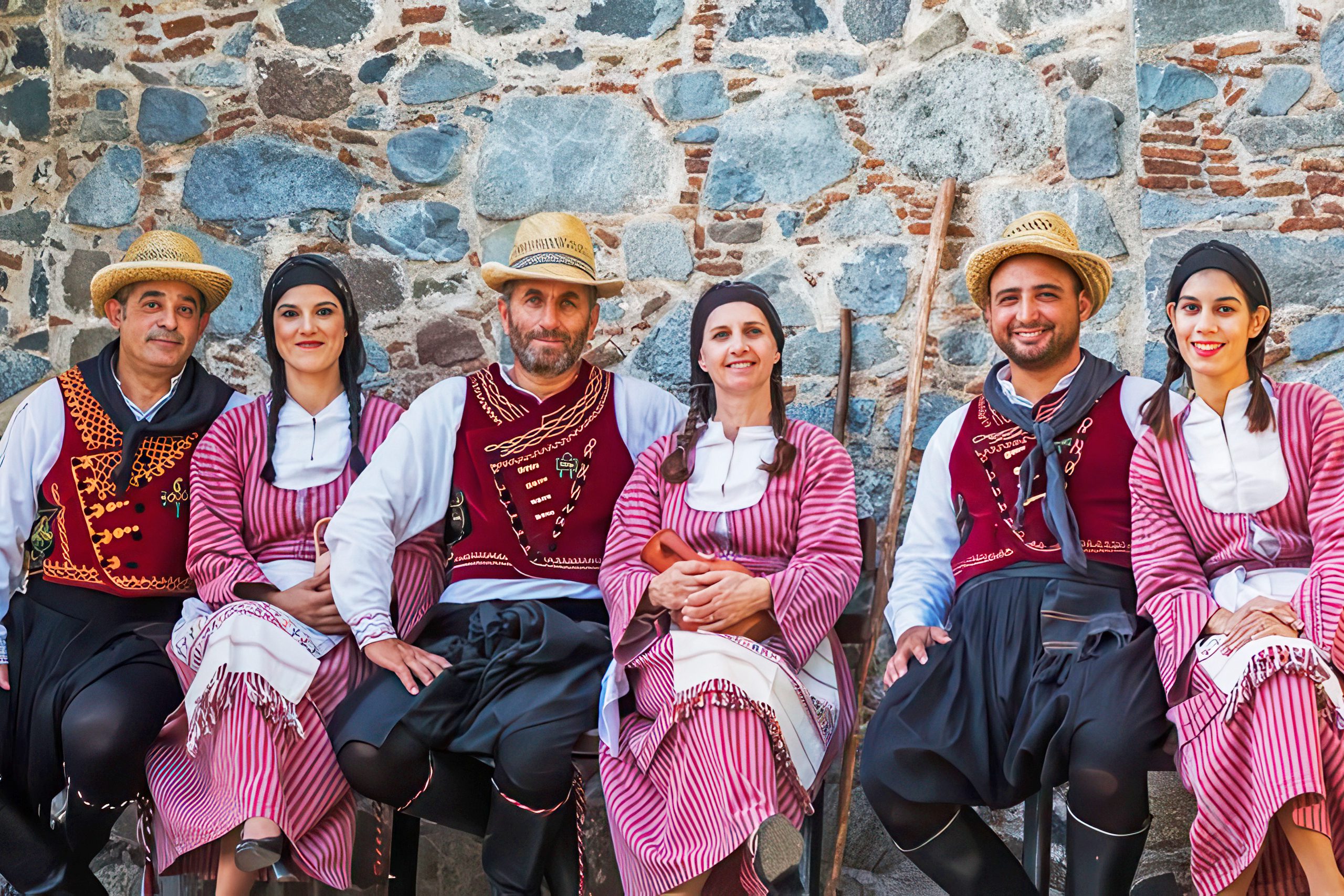
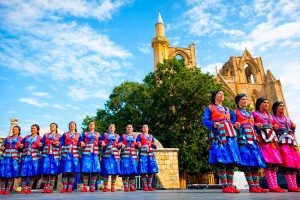
Dances unfold as social language rather than staged choreography. Circle dances like syrtos gather people into a shared tempo, face-to-face dances such as karsilamas create playful exchange, and the solitary, expressive zeibekiko offers a different kind of honesty, where one person holds the space while everyone else respects the moment. These dances are not simply “for tourists” in their original setting; they are rituals of belonging that teach rhythm, identity, and community across generations.
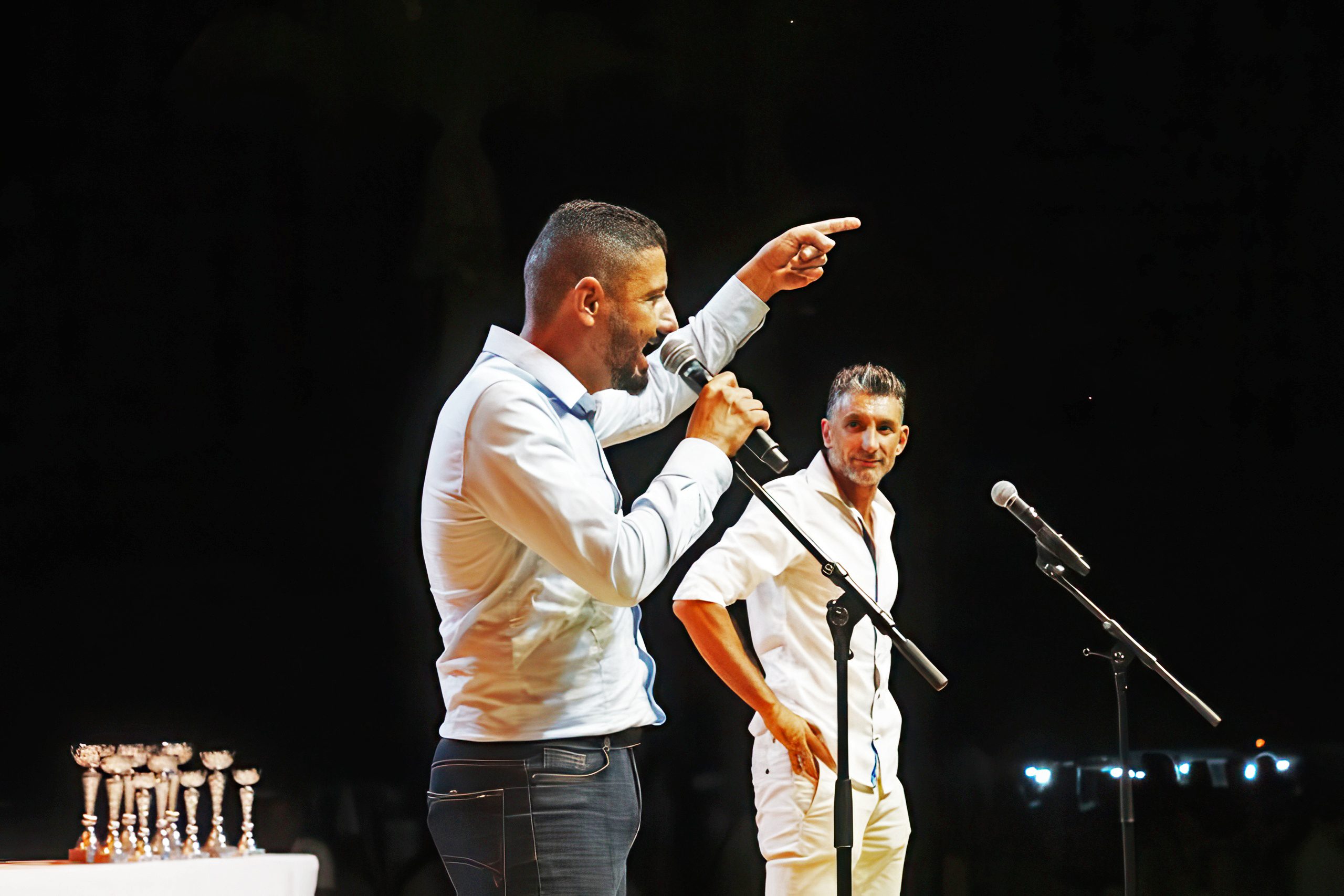
The night also makes room for words. Improvised poetic duels known as tsiattista bring verbal performance into the celebration, with poets trading witty rhymes in the Cypriot dialect that can be affectionate, sharp, political, or teasing, often all at once. It is a tradition tied to language and place, keeping oral creativity alive in the middle of a crowded, modern night.
The Temporary Village Market
A panigyri does not only sound like music. It also sounds like commerce: the calls of stallholders, the clink of small purchases, the chatter of people drifting between stands. For a few hours, the village becomes a temporary marketplace reminiscent of the old agora, with stalls selling crafts, icons, household goods, toys, and local agricultural products, giving farmers and artisans direct access to buyers in a way that feels both festive and economically meaningful.
Even the games become part of the sensory memory. Traditional games of chance, including the kazanti pinball-style game, draw children and adults alike, and the clatter of metal balls mixes with laughter and bargaining in the background. It is a small detail, but it matters because the panigyri is built from layers: prayer, music, food, trade, play, and the shared permission to stay out later than usual.
Food as Social Glue
Food at a panigyri is never just food. It is a way the village feeds itself, welcomes outsiders, and creates the conditions for lingering. Large grills roast souvlaki and sheftalia, while whole lambs turn on spits and clay ovens cook kleftiko for hours, producing dishes designed for sharing because the festival itself is designed for sharing.
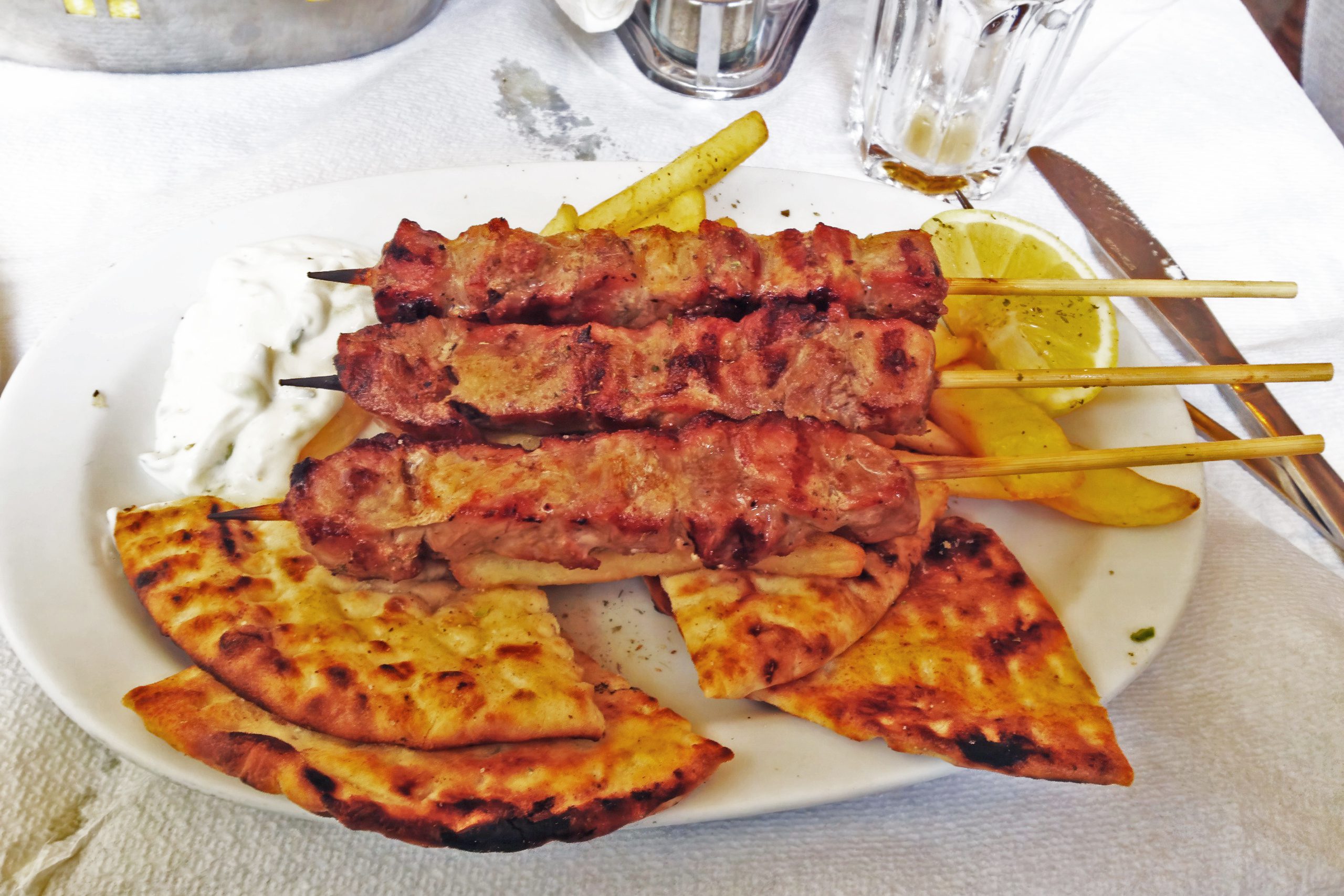
Sweet stalls add a different kind of rhythm to the night, offering loukoumades, semolina-filled pastries, and grape-based confections that often echo local harvest cycles. Drinks range from strong zivania to sweet Commandaria wine, with coffee and beer keeping conversation steady as the evening stretches past midnight. The result is a kind of edible hospitality that feels both simple and deeply organised, even when it looks spontaneous.
Eating at a panigyri is participation. You are not just buying dinner; you are stepping into the village’s economy and social fabric, contributing to the night that everyone will remember when it is over.
Where Panigyria Take Place
Panigyria happen across Cyprus, but geography changes their texture.
In the Troodos mountain villages, festivals often feel more intimate and tradition-focused, sometimes tied to wine, roses, or religious relics, with cooler night air and narrower streets that make the music feel close. Along the coast, events can be larger and more commercial, blending village customs with tourism and summer crowds, but still anchored in familiar patterns of gathering, eating, and dancing. Both Greek Cypriot and Turkish Cypriot communities maintain similar festival structures, even when the religious and organisational frameworks differ, which quietly highlights how deep the island’s shared cultural habits run.
A Night in the Village
A typical panigyri evening has a recognisable flow, and that predictability is part of its comfort. Families arrive before sunset, browse stalls, eat together, and settle into the square as the light changes; then, as night deepens, the crowd thickens, the music grows louder, and dancing begins in waves, sometimes gentle at first, then unstoppable once the circle forms properly.
By midnight, the celebration often reaches its peak, not in a single dramatic moment, but in a sustained feeling: the sense that the village is fully awake, fully present, and temporarily larger than its ordinary size. Conversations continue until early morning, and the square becomes a place where time behaves differently, measured in songs, greetings, and shared tables rather than hours.
For many Cypriots living abroad, this is also a homecoming. Village associations organise trips around feast days so diaspora families can return, bringing children and grandchildren into the same night their grandparents once knew, and in doing so turning the panigyri into a bridge between generations and geographies.
Why Panigyria Still Matters
The panigyri matters because it is not a museum tradition. It is a living social institution that adapts while preserving its core meanings, connecting religion with agriculture, local economies with diaspora networks, and ancient gathering rituals with modern village life.
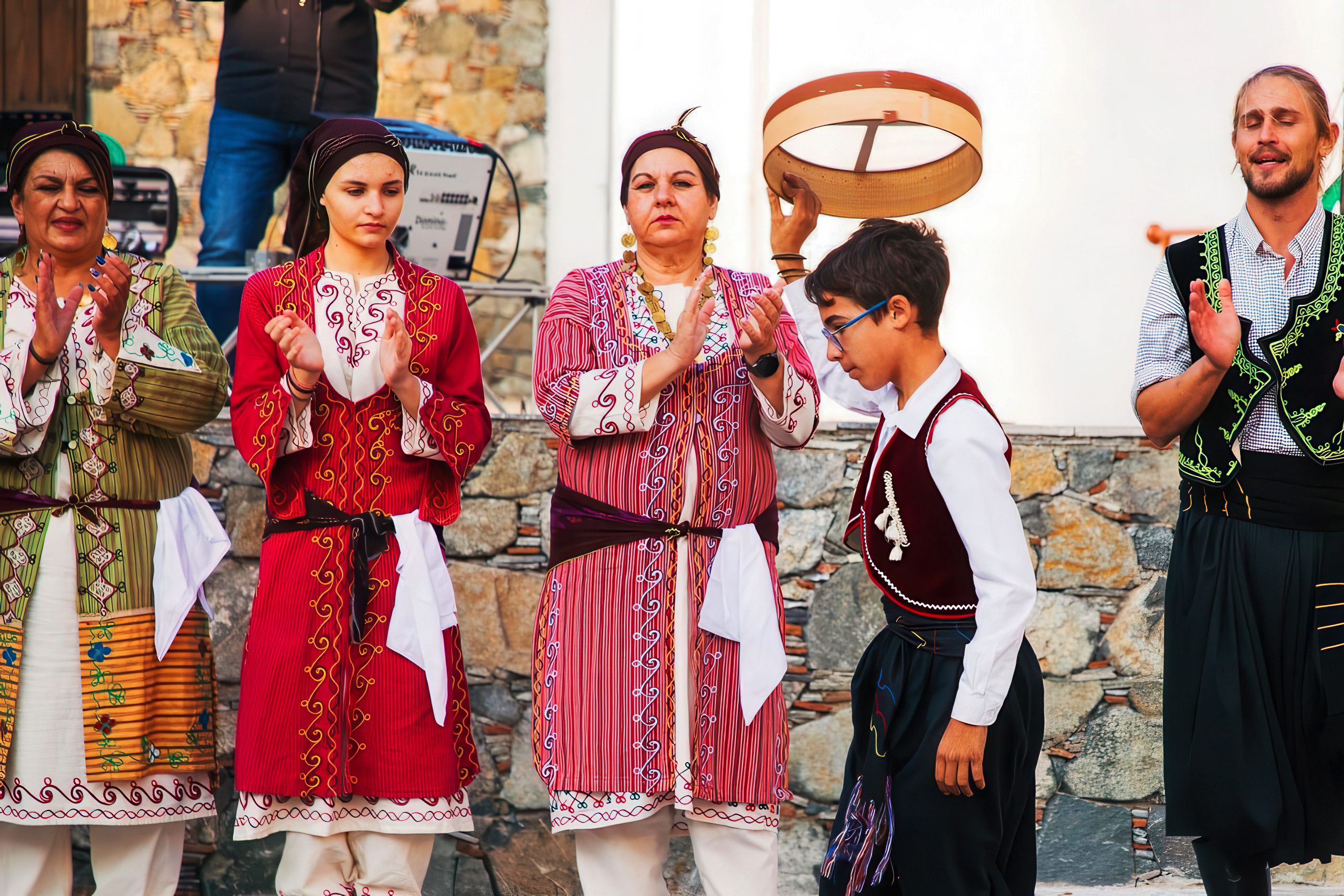
In a rapidly urbanising Cyprus, it remains one of the few spaces where village identity is actively performed rather than simply remembered, and where community is not an idea but an experience you can hear, smell, and step into. The music, the food, the icon procession, and the crowded square reaffirm a simple truth: community still exists when people gather in the same place at the same time.
For visitors, a panigyri offers more than entertainment. It offers a clear view into how Cyprus sustains itself culturally, not only through monuments or museums, but through repeated communal rituals that turn ordinary villages into temporary centres of the island’s social universe.