Explore Cyprus with Our Interactive Map

Explore our top stories and discover ideas worth your time.

Chorteri Natural Trail

Chorteri Natural Trail

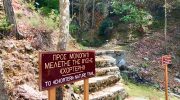
The Chorteri Nature Trail stands as a vital asset within the Troodos National Forest Park. This path offers a direct route through some of the most scenic parts of the mountain range. Travelers often visit this site to observe the transition between different forest zones. The air remains crisp and carries the scent of local pine needles. Elevation plays a key role in the unique environment found here. Most of the track sits at a high altitude, which provides cool relief from the coastal heat. Rare plants find a home in the rocky crevices along the way. The silence of the woods provides a stark contrast to the busy cities below. It is a place for quiet observation and steady movement. Scientific study of the area reveals a rich geological history. The soil consists of minerals that support dense growth of endemic shrubs and trees. Every turn on the route presents a chance to see the natural world in its raw state. This trail is a significant destination for those who value the ecological diversity of Cyprus. It remains a stable and well-kept path for all. Trail Overview Location: Troodos National Forest Park near Platania Distance: 3.1 miles (5 km) Route Type: Loop Difficulty: Moderate to Hard Elevation Gain: 950 feet (290 meters) Duration: 2 to 3 hours Best Time…

Read more
A Tapestry of Faith

A Tapestry of Faith

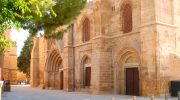
Most visitors to Cyprus know about its Greek Orthodox churches and ancient Christian monasteries, but the island's religious story is far richer and more complex. For millennia, Cyprus has been home to Jewish communities, Muslim mosques, Armenian and Maronite Christians, Sufi mystics, and Latin Catholic cathedrals - each faith leaving monuments that testify to survival, migration, and remarkable coexistence. Walking through Cyprus's cities means encountering this layered religious landscape where synagogues stand near mosques, Gothic cathedrals became prayer halls, and sacred springs were shared by people of different beliefs. Where Many Faiths Met and Mingled Cyprus has never belonged to a single religious tradition. Its position at the meeting point of Europe, Asia, and Africa made it a crossroads not only for trade and armies but also for belief systems. Long before Orthodox Christianity became dominant in the medieval period, Cyprus hosted Jewish traders and craftsmen, pagan mystery cults, and early Christian congregations mentioned in the New Testament. Later waves brought Islamic institutions during Ottoman rule, Armenian refugees fleeing persecution, Maronite Christians migrating from Lebanon and Syria, and Western European Crusaders establishing Latin Catholic strongholds. Rather than existing as isolated enclaves, these religious minorities participated actively in Cyprus's economy, diplomacy, and urban life. Their monuments - synagogues, mosques, churches of different denominations, and Sufi lodges - aren't marginal curiosities but…

Read more
Modern Housing and Business in Cyprus

Modern Housing and Business in Cyprus

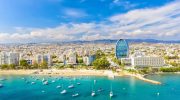
Cyprus housing market experienced substantial transformation over the past decade, with residential prices rising approximately 4.8% year-on-year in Q1 2025 according to Central Bank data. The average apartment cost reached €250,000 while houses averaged €320,000 island-wide. Price per square meter stands near €2,500-2,600, though coastal properties in cities like Limassol command significantly higher premiums starting from €700,000 for modern apartments. The business environment evolved equally dramatically as Cyprus positioned itself as a Mediterranean technology hub. The information and communications sector grew an average 17.7% annually from 2015 to 2024, becoming the largest economic sector by value. This transformation attracted international companies and created a startup ecosystem that ranked Cyprus as the EU's fastest-growing in 2025 with 305 startups, representing 71% annual increase. Housing Market Shows Regional Variations Limassol remains the island's most expensive city with average residential prices around €3,200 per square meter, up 7.4% year-on-year. The city accumulated 45% of apartments and 44% of houses available for rent nationwide as of January 2025. Seafront projects and steady international demand fuel this growth, with 74% of transactions over €1.5 million occurring in Limassol during 2024. Paphos emerged as 2025's surprise leader with houses jumping 16.9% year-on-year to approximately €693,000, though apartment prices slipped 10.3%. Premium villas drive market activity as lifestyle buyers and holiday rental investors compete for quality detached…

Read more