Explore Cyprus with Our Interactive Map

Explore our top stories and discover ideas worth your time.

Seasonal Folk Rituals in Cyprus

Seasonal Folk Rituals in Cyprus

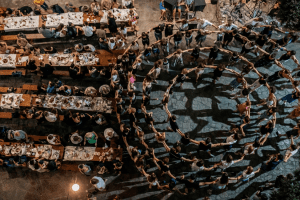
Seasonal folk rituals in Cyprus are vibrant traditions that blend ancient agrarian customs with Christian influences, marking the island's cycles of renewal, harvest, and protection. From spring bonfires warding off evil to autumn feasts celebrating abundance, these practices foster community bonds and a deep connection to the land. They offer a glimpse into how Cypriots have long navigated life's uncertainties through shared acts of faith and joy, keeping cultural roots alive in a modern world. Echoes of an Agrarian Past Think of Cyprus as a place where the calendar isn't just dates on a page - it's a rhythm dictated by sun, rain, and soil. For millennia, life here revolved around farming and herding, where a good season meant plenty and a bad one spelled hardship. Seasonal folk rituals sprang from this reality, serving as ways to appeal to unseen forces for protection, fertility, and luck. They're not rigid ceremonies but flexible expressions of hope, passed down through generations in villages where everyone pitched in. Whether lighting a fire or sharing a meal, these acts made the unpredictable feel a bit more manageable, turning nature's turns into communal stories. A History Rooted in Survival and Faith These rituals stretch back to prehistoric times, around 3000 BC, when early Cypriots depended on the island's fertile valleys and copper-rich hills for sustenance.…

Read more
Saints Feast Days in Cyprus

Saints Feast Days in Cyprus

Commemorative days in Cyprus establish the seasonal rhythm of rural life throughout the year, with each community recognizing a historical figure through formal ceremonies and traditional public festivals called panigyria. These events integrate regional customs with large-scale social gatherings, featuring organized walks, artifact displays, communal meals, folk music, and traditional dances that continue until dawn. Unlike various international traditions where individual birthdays are the primary focus, Cypriots emphasize these shared name days with significant social enthusiasm. The regional calendar includes hundreds of these occasions honoring figures from antiquity, the Byzantine era, and more recent local history. Major events like the August 15 commemoration attract thousands to historical landmarks and village squares, while smaller festivals serve to maintain regional identity and ancestral family connections. The panigyri tradition has functioned for centuries as a vital element of Cypriot social culture, earning international recognition for its role in preserving community heritage and local bonds. The Structure of a Traditional Panigyri A typical panigyri begins on the evening before the designated feast day with a formal church service marking the start of the celebration within the traditional liturgical calendar. Residents, expatriates, and visitors gather in the village church for hymns, prayers, and community participation. Following the service, a procession often takes place through village streets where an icon associated with the local tradition is…

Read more
Long-Distance Bus Travel Between Cyprus Cities

Long-Distance Bus Travel Between Cyprus Cities

The InterCity Buses company operates the primary network linking Nicosia, Limassol, Larnaca, Paphos, and the free Famagusta area. These routes run seven days a week throughout the year, with schedules designed to accommodate both weekday commuters and weekend travelers. Buses between Nicosia and Limassol depart every 30 minutes, with tickets costing between €6 and €8. The journey covers approximately 85 kilometers and takes between 1 hour 26 minutes and 1 hour 45 minutes, depending on traffic and specific route variations. The Larnaca to Paphos route passes through Limassol, creating a coastal corridor that serves tourist areas and residential zones. This route operates multiple times daily, though less frequently than the Nicosia-Limassol connection. Passengers can board at various stops along the way, making these buses practical for intermediate destinations. Routes also connect Nicosia with Paphos, Ayia Napa, and Paralimni. The free Famagusta area receives regular service from all major cities, ensuring residents have access to the broader transportation network. Each route features multiple departure times throughout the day, though frequency varies by demand and season. Understanding Service Frequency and Schedules On weekdays, the earliest bus from Limassol to Nicosia departs at 5:30 AM, with the last departure at 9:30 PM. Weekend and holiday schedules differ slightly, with first departures typically starting at 7:00 AM and final buses leaving around 10:30 PM.…

Read more