Explore Cyprus with Our Interactive Map

Explore our top stories and discover ideas worth your time.

Transportation and Mobility in Cyprus

Transportation and Mobility in Cyprus

Cyprus holds one of the highest car ownership rates in the world with 742 cars per 1,000 people according to International Road Federation figures from 2007. Private car ownership in the country ranks as the fifth highest per capita globally. With more than 658 automobiles per 1,000 people in recent years, Cyprus relies heavily on private vehicles for daily mobility. Only 3 percent of journeys in the Greater Nicosia urban region are made by public transportation, while cycling remains even less common at 2 percent. This dominance of private vehicles creates traffic congestion in major cities, particularly during peak hours, while contributing to air pollution and urban sprawl. The Road Network and Driving Conditions From the 12,118 kilometers of roads in the areas controlled by the Republic of Cyprus, 7,850 kilometers were paved while 4,268 kilometers remained unpaved as of 2006. The island boasts the highest number of motorways per capita in the EU as of 2025, with major routes linking key cities including Limassol, Larnaca, Nicosia, Paphos, and Ayia Napa. One significant advantage for travelers is the absence of toll roads in Cyprus, making exploration of the island more accessible and cost-effective. As a legacy of British rule, Cyprus is one of only three EU nations where vehicles drive on the left. Road signs appear in both English and…

Read more
Cyprus Beaches And Water Sports

Cyprus Beaches And Water Sports

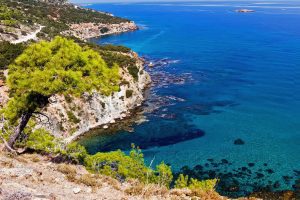
Cyprus ranks as the third largest island in the Mediterranean and boasts some of Europe's finest coastal areas, with 60 beaches marked with the Blue Flag, an international award in the field of ecology and environmental protection given to beaches and marinas. In practice this means incredibly clean beaches and crystal clear water. The eastern coast stands particularly renowned for its fantastic assortment of beaches considered by many to be the best on the entire island, with Ayia Napa and Protaras regions lined by glorious stretches of golden sand. The island's beaches offer something for everyone, from lively party atmospheres to secluded family-friendly coves, all benefiting from Cyprus's 340 days of sunshine annually and sea temperatures reaching 27 degrees Celsius during summer months. The Famous Beaches of Ayia Napa Nissi Beach stands as probably the most popular beach in Cyprus, stretching 500 meters with white sand and turquoise water. The water after entering remains quite shallow for a long distance and stays crystal clear with minimal waves. Nissi Beach got its name from an islet not far from the coast that visitors can reach when the tide is low in winter and spring, as a sand walkway unveils leading from the beach to the small island inhabited by low-level shrubs and pretty plants. The beach has earned Blue Flag status…

Read more
Hidden Waterfalls & Springs in Cyprus Mountain Valleys

Hidden Waterfalls & Springs in Cyprus Mountain Valleys

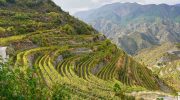
Cyprus contains a surprising network of waterfalls and natural springs hidden within the Troodos mountain range. These water features flow year-round despite the island's reputation as a dry Mediterranean destination. The mountains capture rainfall that would otherwise evaporate in coastal plains, creating conditions where water persists through even the hottest summers. Most waterfalls cluster between 650 and 1,600 meters elevation where annual precipitation reaches 1,000 millimeters compared to 300 millimeters at sea level. The Troodos region produces 80 percent of Cyprus's surface water, feeding rivers that supply reservoirs and aquifers across the island. These waterfalls and springs formed over millions of years as mountain streams carved through volcanic diabase and limestone rock, creating spectacular cascades surrounded by dense pine forests, golden oak trees, and endemic plant species found nowhere else on earth. Ancient Water Sources That Shaped Civilization Cyprus earned the name "green island" in ancient times because its forests extended from mountain peaks to coastlines, sustained by abundant surface and spring water. Archaeological evidence shows Neolithic settlers around 7000 BCE chose locations based entirely on water availability. Ancient Kourion featured sophisticated water systems with terracotta pipes fed by perennial springs near Sotira. Salamis constructed a 40-kilometer aqueduct connecting the city to water sources in the Kyrenia hills, demonstrating the engineering lengths civilizations pursued to secure reliable water. The therapeutic…

Read more