Spiritual Strongholds in the Mountains
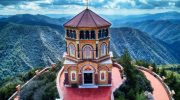
Hidden among Cyprus's mountains and remote valleys are monastic complexes that have survived earthquakes, invasions, and centuries of political change. These sites are far more than impressive historic buildings. For over 1,500 years, they have served as centers of education, healthcare, manuscript preservation, agriculture, and community support. Within their stone walls, visitors encounter centuries of Cypriot history, art, architecture, and cultural traditions. These institutions played a major role in preserving language, knowledge, and local customs through some of the island's most challenging periods. Places of Learning and Community Support Cypriot monasteries are self-contained communities traditionally inhabited by monks or nuns who followed structured daily routines involving study, work, and communal activities. Unlike parish churches that primarily served nearby villages, monasteries often developed into major social and economic centers. They educated children when formal schools were scarce, cared for the sick before modern hospitals existed, preserved manuscripts and records, and offered shelter during periods of unrest. The mountains and remote valleys of Cyprus provided ideal locations for these communities. Many were established near springs, caves, forests, and defensible terrain. Their locations offered privacy while maintaining connections to surrounding settlements. Historical Development Monastic communities emerged in Cyprus during the 4th century AD as new religious traditions spread across the eastern Mediterranean. Over time, hermits and religious communities settled in the Troodos Mountains…
Read more