Explore Cyprus with Our Interactive Map

Explore our top stories and discover ideas worth your time.

Blooms from the Ironclad Hills

Blooms from the Ironclad Hills

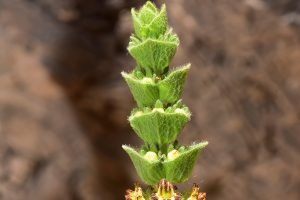
Picture a rugged cliffside in northern Cyprus, where a sturdy herb clings to limestone cracks, its yellow flowers nodding in the breeze like tiny suns defying the harsh terrain. This is mountain tea, or Sideritis, a group of wild herbs cherished across the Mediterranean, but in Cyprus, home to a rare endemic species that tells a story of resilience and ancient healing. www.inaturalist.org A Humble Herb with Aromatic Kin Mountain tea belongs to the vast mint family, a diverse clan of over 7,000 species that includes everyday favorites like basil, rosemary, and oregano – all sharing square stems and leaves brimming with fragrant oils. In simple terms, it's a wild shrub that thrives in sunny, dry spots, much like its relatives that spice up gardens and wild meadows worldwide. Roots in Healing Traditions The name Sideritis echoes ancient Greek for "iron," perhaps from its use in treating wounds from iron weapons or its tough, iron-like endurance. In Cyprus, its history ties back to early island dwellers who gathered wild herbs for teas and salves, much like across the Mediterranean where healers like Dioscorides praised it in texts from 2,000 years ago. Over centuries, it became a folk staple, brewed by shepherds for strength and shared in villages as a soothing sip amid the island's shifting empires and climates. Woolly Stems…

Read more

Sacred Landscape Representation

Sacred Landscape Representation

Sacred Landscape Representation in Cypriot art involved the use of motifs such as mountains, seas, fertility symbols, and celestial elements to express the island's profound spiritual connection to nature. These designs went beyond mere decoration, reflecting a worldview where the environment was infused with divine energy, from turbulent waves to bountiful fields. This artistic approach evokes the island's mystical essence, highlighting ancient perceptions of the natural world as a realm of sacred significance. reddit-com A World Expressed Through Art Cypriot art portrayed the landscape as a narrative medium, where natural features conveyed deeper spiritual layers. Mountains symbolized strength and divine oversight, seas evoked origins and transformation, fertility motifs celebrated renewal, and celestial patterns linked earthly existence to cosmic forces. This method remained uncomplicated, emphasizing reverence for nature's power and the island's hallowed character. ancientcyprus-com Origins and Evolution These motifs trace back to the Neolithic and Chalcolithic periods, from approximately 8000 to 2500 BC. Early inhabitants, reliant on farming and herding, incorporated elements reflecting survival and natural cycles into their works. Clay figurines emphasized fertility through wide hips, associating human life with the earth's productivity. metmuseum-org The Bronze Age, beginning around 2500 BC, introduced trade influences from Egypt and Greece. Pottery designs featured wavy lines for seas, symbolizing Aphrodite's emergence, while seals depicted mountains as guardians. Subsequent Greek and Roman periods…

Read more
Buffavento Castle Cyprs

Buffavento Castle Cyprs

Buffavento Castle stands at 960 meters above sea level in the Kyrenia mountain range of Cyprus. This medieval fortress is the highest and least preserved of three Byzantine strongholds built along the mountains. The name comes from Italian and means "Defier of the Winds," a fitting description for a castle constantly exposed to mountain winds at this elevation. cycprusfaqs-com The castle sits between St. Hilarion Castle to the west and Kantara Castle to the east, forming a defensive line across the Kyrenia Mountains. All three castles are visible from each other, allowing them to pass signals and warnings. Buffavento guarded the mountain passage from Kythrea to the north coast, controlling movement between the coastal plain and the interior. The location provides views in every direction. Looking north across the Mediterranean Sea, visitors can see the Turkish coast approximately 65 kilometers away on clear days. To the south, the Mesaoria Plain stretches toward Nicosia. On exceptionally clear days, Famagusta to the east and the Troodos Mountains to the south are visible. The castle overlooks nearly half the island from its rocky peak. The steep cliffs surrounding the fortress made it naturally defensible. The north, east, and west sides are protected by sheer drops, with only the southern approach allowing access. Historical Background The exact construction date remains unknown, though most historians…

Read more