Explore Cyprus with Our Interactive Map

Explore our top stories and discover ideas worth your time.

Ayia Napa Lover’s Bridge Cyprus at Sunset

Ayia Napa Lover’s Bridge Cyprus at Sunset

The Lover's Bridge stands as one of Cyprus's most photographed natural landmarks. This limestone arch extends from the coastal cliffs near Ayia Napa, reaching toward the Mediterranean Sea with one end firmly anchored to land while the other dips into crystal-clear turquoise water. tripadvisor-com The bridge measures approximately 6 meters long and half a meter wide, formed entirely through natural processes without any human construction. Visitors from around the world come to walk across this slender natural formation, particularly during sunset hours when golden light transforms the white limestone and azure water into a scene of remarkable beauty. The bridge takes its name from romantic traditions that have developed around the site. Local legend claims that couples who kiss while standing in the middle of the arch and make a wish together will see their wishes come true. This belief has made the location a popular destination for marriage proposals, wedding photographs, and symbolic ceremonies celebrating love and commitment. How Wave Action Sculpted the Arch The Lover's Bridge formed through a combination of mechanical and chemical erosion acting on limestone bedrock. Rainwater absorbs carbon dioxide from the atmosphere and soil, creating a weak carbonic acid solution. When this slightly acidic water contacts limestone, it triggers chemical reactions that gradually dissolve the calcium carbonate rock. Seawater contains additional dissolved salts and…

Read more
Cyprus Driving – Cities vs Mountains vs Village Roads

Cyprus Driving – Cities vs Mountains vs Village Roads

Cyprus offers drivers dramatically different experiences depending on where they travel. City streets demand alertness for roundabouts and parking challenges, mountain roads require careful handling on steep grades, and village lanes test patience with narrow passages. Understanding these differences helps drivers navigate the island safely and confidently. In-Cyprus-com Major cities like Nicosia, Limassol, and Paphos feature modern infrastructure with well-maintained roads, but they also present unique obstacles. Roundabouts appear frequently, especially at highway exits and major intersections. Traffic already on the roundabout has the right of way, so drivers must yield before entering. Local drivers move quickly through these circles, which can intimidate newcomers. Parking in city centers presents significant difficulties. Limassol has metered street parking along the seafront Molos promenade and in the old town, with pay-and-display machines requiring euro coins. Nicosia offers some free parking outside the Venetian walls along the moat, though finding a spot requires luck and patience. The old town streets are narrow, making it easy to accidentally block driveways or delivery zones. Traffic congestion hits peak levels during morning and evening rush hours. Nicosia sees particularly heavy traffic between 7:30 and 9:00 AM as commuters flood into the capital. The same pattern repeats between 5:00 and 6:30 PM when people leave work. Highway exits outside major cities require special caution because they are often…

Read more
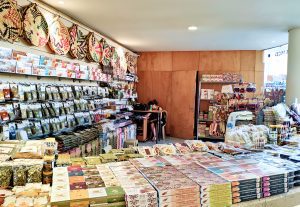
Cyprus Local Markets

Cyprus Local Markets

Cyprus local markets, known as laiki agora or people's markets, represent living institutions where agricultural producers sell directly to consumers while maintaining social networks that define community identity. These weekly open-air markets operate across cities, towns, and villages, with vendors displaying fresh produce, dairy products, preserved foods, and household goods on temporary stalls that appear each market day then disappear until the following week. The markets trace their origins to ancient agora traditions where commerce, politics, and social interaction converged in designated public spaces. For centuries, these gatherings functioned as primary venues for villagers to exchange surplus crops, acquire goods unavailable locally, and share information before modern retail and communication technologies transformed commerce. Despite supermarkets and online shopping, traditional markets persist because they offer direct farmer-to-consumer transactions, sensory shopping experiences, and trust-based relationships between regular customers and familiar vendors who guarantee product quality through personal reputation. The Weekly Rhythm of Market Days Each Cyprus community designates specific weekdays for its laiki agora, creating predictable schedules that structure household routines. Nicosia hosts multiple neighborhood markets on different days throughout the week, while smaller towns and villages typically organize single weekly markets. In the Turkish-occupied part of Cyprus, markets called pazarlar occur at least once weekly in nearly every town and village, with Kyrenia holding larger markets on Wednesdays and Saturdays. Market…

Read more