Explore Cyprus with Our Interactive Map

Explore our top stories and discover ideas worth your time.

Copper Mountains Gift of the Gods

Copper Mountains Gift of the Gods

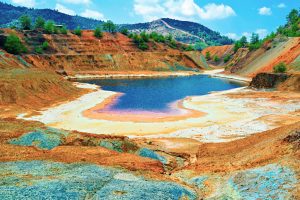
The copper-rich mountains of Cyprus, particularly the Troodos range, were seen by ancient inhabitants as divine gifts from the gods, providing not just vital metal for tools and trade but also spiritual protection and prosperity. These peaks, laced with reddish ore veins, blended natural bounty with sacred myths, making mining a reverent act and turning the island into a Bronze Age powerhouse. Exploring their story reveals how earth, faith, and human ingenuity intertwined to shape Cyprus's enduring legacy. visitsolea-com A Sacred Backbone of the Island Step into the heart of Cyprus, and you'll find the Troodos Mountains rising like ancient guardians, their slopes cloaked in pine forests and dotted with villages that seem frozen in time. These aren't just any hills - they're the island's geological core, a rugged massif stretching across the center, reaching up to Mount Olympus at over 1,950 meters. For early Cypriots, the mountains weren't mere landscape; they were a holy endowment, teeming with copper that fueled life, from farming tools to ceremonial artifacts. This blend of raw power and divine favor made the Troodos a symbol of abundance, where the gods' touch was felt in every shimmering vein of ore. Today, they stand as a reminder of how nature's gifts can inspire awe, drawing hikers, historians, and dreamers alike to their misty paths. From Ancient…

Read more

Cyprus Honey

Cyprus Honey

Honey in Cyprus is not simply a food product. It reflects landscape, climate, and survival shaped over centuries. Produced mainly in mountain and rural areas, Cypriot honey carries the character of wild thyme, pine forests, citrus groves, and seasonal movement across the island. Long before sugar became common, honey served as the primary sweetener, a form of medicine, and a symbol of hospitality. Its role has never disappeared. Instead, it has evolved alongside changing lifestyles and technologies. thegreekvibe-com An Island That Shapes Its Honey Cyprus’s geography plays a decisive role in how honey is produced. Two mountain ranges, varied elevations, and sharply contrasting microclimates allow flowering to unfold in stages rather than all at once. Coastal plains warm early in the year, while foothills and high mountain slopes bloom later, extending the foraging season for bees. This vertical landscape makes beekeeping in Cyprus inherently mobile. Apiaries are often moved throughout the year, following blossoms from lowland citrus groves to the thyme-covered slopes of the Troodos Mountains. Honey here is shaped as much by movement as by place, with each harvest reflecting a specific altitude, season, and environment. The Native Bee and Local Resilience At the heart of Cypriot honey production is a native honeybee adapted to the island's demanding conditions. This bee has developed endurance in heat, wind, and drought…

Read more
Stone Columns Above Cyprus Blue Waters

Stone Columns Above Cyprus Blue Waters

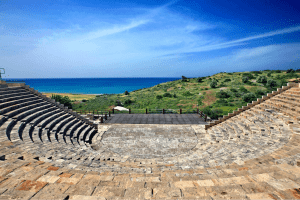
Cyprus coastal monuments showcase classical architecture where ancient stone columns rise against Mediterranean horizons, creating dramatic vistas that combine archaeological significance with natural beauty. The most impressive examples include the Greco-Roman theatre at Kourion perched on coastal cliffs 70 meters above sea level, the Sanctuary of Apollo Hylates with its partially restored temple columns, and the Tombs of the Kings in Paphos featuring underground burial chambers decorated with Doric pillars. Shutterstock-com These structures date primarily from Hellenistic and Roman periods between the 4th century BC and 4th century AD, when Cyprus prospered under successive empires. The architectural elements follow classical Greek orders with refinements from Roman building techniques, creating monuments that have withstood earthquakes, invasions, and two millennia of Mediterranean weather. The coastal positioning of these sites provided strategic advantages for ancient communities while offering modern visitors spectacular combinations of archaeological ruins and sweeping sea views that define Cyprus as a destination where history meets landscape. Kourion's Clifftop Theatre and Coastal Views The ancient theatre at Kourion was built in the 2nd century BC and extended during the 2nd century AD to accommodate 3,500 spectators. The structure occupies the most southern part of the city, positioned on dramatic coastal cliffs that provided both practical acoustics and majestic views toward the Mediterranean. The semicircular seating arrangement carved from limestone faces the…

Read more