Explore Cyprus with Our Interactive Map

Explore our top stories and discover ideas worth your time.

Scuba Diving Spots in Cyprus

Scuba Diving Spots in Cyprus

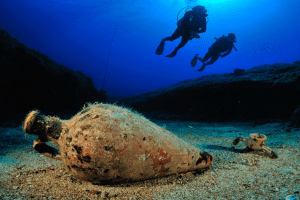
Cyprus ranks among the Mediterranean's premier diving destinations, offering crystal-clear waters with visibility often exceeding 30 meters, warm sea temperatures reaching 27 degrees Celsius in summer, and diverse underwater landscapes ranging from ancient shipwrecks to vibrant reef systems. tripadvisor-com The island's strategic location at the crossroads of three continents has resulted in a rich maritime history, with numerous wrecks resting on the seabed alongside natural caves, underwater cliffs, and thriving marine ecosystems. Cyprus's diving season extends year-round, though the most comfortable conditions occur between April and November when water temperatures remain above 20 degrees Celsius and weather conditions are optimal. The Zenobia Wreck Near Larnaca The MS Zenobia stands as one of the world's top ten wreck dives and Cyprus's most famous underwater attraction. This Swedish-built roll-on roll-off ferry sank on her maiden voyage on June 7, 1980, just outside Larnaca harbor after suffering computer malfunctions that caused ballast system failures. The ship now rests on her port side at depths ranging from 16 to 42 meters, making different sections accessible to divers of varying experience levels. tripadvisor-com The 172-meter-long vessel carried 104 articulated lorries loaded with cargo when she sank, creating an enormous artificial reef that has attracted diverse marine life over four decades. Divers can explore the bridge, engine room, and cargo holds still containing trucks and trailers…

Read more
Papoutsa Peak Cyprus Eco Trails Wildlife Scenery

Papoutsa Peak Cyprus Eco Trails Wildlife Scenery

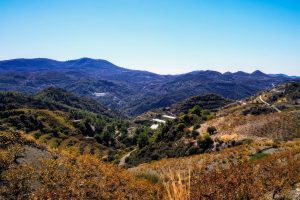
Papoutsa Peak stands at 1,554 metres in the eastern Troodos Mountains, surrounded by one of Cyprus's most important forest reserves. The forests are part of the Adelfoi Forest system, a vast protected area recognized within the Troodos Geopark for its ecological significance. The peak sits between Mount Olympus to the west and Madari to the north, creating a corridor of protected wilderness that covers over 120 square kilometres. Unlike more accessible Troodos peaks with developed facilities, Papoutsa maintains a wilder character with fewer visitors and more pristine ecosystems. wikiloc-com The mountain lies within the Papoutsa and Adelfoi Forests mentioned by the Troodos Geopark as among the island's most noteworthy woodland areas. These forests protect crucial habitat for species found nowhere else on Earth. The combination of elevation, geology, and minimal human disturbance creates conditions where rare plants and animals can survive pressures that threaten them in more accessible locations. Historical Background The Troodos Mountains, including Papoutsa, emerged approximately 92 million years ago as oceanic crust from the ancient Tethys Ocean. Tectonic forces pushed this underwater rock upward through obduction, eventually creating the island's central mountain mass. Papoutsa consists of the same serpentinized harzburgite and peridotite rocks found throughout Troodos, representing mantle material from thousands of metres beneath the ancient seabed. wikiloc-com These ultramafic rocks create unique soil chemistry with high…

Read more
The Arabis Species of Cyprus

The Arabis Species of Cyprus

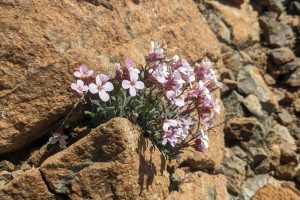
Tucked away in the rocky crevices and mountainous slopes of Cyprus, the Arabis species offer delicate bursts of color amid the island's rugged terrain. These small, resilient rockcresses, with their clusters of white, pink, or purple flowers, are a testament to the unique flora that thrives in this Mediterranean hotspot. Discovering them in the wild feels like finding hidden gems that whisper stories of Cyprus's ancient landscapes. www.flora-of-cyprus.eu Why is it interesting? Arabis, commonly known as rockcresses, are a genus of flowering plants in the mustard family (Brassicaceae). In Cyprus, there are four notable species, three of which are endemic to the island: Arabis cypria, Arabis purpurea, and Arabis kennedyae, along with the more widespread Arabis verna. These hardy perennials or annuals are adapted to dry, rocky environments, producing charming flowers that attract pollinators in spring. Background and Origins The Arabis species in Cyprus have evolved over millennia in the island's isolated ecosystems, particularly in the Troodos Mountains and northern ranges. Shaped by the Mediterranean climate with hot summers and mild winters, they trace their roots to ancient plant lineages that adapted to limestone cliffs and serpentine soils. Endemic varieties like Arabis purpurea and Arabis kennedyae highlight Cyprus's role as a biodiversity refuge, surviving through geological changes that separated the island from surrounding lands. www.inaturalist.org Description Arabis plants are typically…

Read more