Explore Cyprus with Our Interactive Map

Explore our top stories and discover ideas worth your time.

Church of Panagia tou Araka Byzantine Art

Church of Panagia tou Araka Byzantine Art

Historical Background and Cultural Context The Church of Panagia tou Araka, located near the village of Lagoudera in the Troodos Mountains of Cyprus, is one of the most celebrated monuments within the UNESCO World Heritage group known as the Painted Churches of the Troodos Region. Built in the late 12th century, the church stands as a remarkable testament to the artistic and spiritual vitality of Cyprus during the Middle Byzantine period. Its significance lies primarily in its interior decoration, which preserves some of the finest examples of Comnenian art—an artistic style associated with the reign of the Comnenian dynasty in Byzantium and closely linked to the cultural life of Constantinople. The church demonstrates how artistic developments from the imperial capital reached even remote regions, shaping local expressions of faith and aesthetics. behance-net The late 12th century was a period of renewed artistic refinement in the Byzantine world. Under the Comnenian emperors, art displayed greater emotional depth, elegance of form, and complex theological symbolism. Cyprus, strategically positioned in the eastern Mediterranean, maintained strong cultural connections with the Byzantine Empire despite political challenges. Panagia tou Araka stands as a visual record of these connections, revealing how artistic trends from Constantinople influenced religious monuments on the island. The church’s preservation provides rare evidence of the transmission of imperial artistic standards to provincial contexts,…

Read more
Brachychiton (Bottletrees)

Brachychiton (Bottletrees)

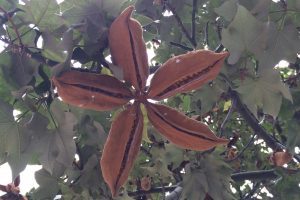
Imagine strolling through a sunlit park in Limassol or Nicosia when suddenly a tree bursts into vivid scarlet flowers, turning the branches into a living flame against the blue sky. These are the Brachychiton trees — Australian visitors that add a splash of dramatic color to our island's gardens and streets, whispering tales of distant lands. Konstantin-Solovev Bottle-Shaped Beauties Brachychiton trees are part of the vast Malvaceae family, the same group that gives us cotton, hibiscus, and cacao – plants known for their showy flowers and useful fibers. In Cyprus, they are tall, sturdy trees often grown for their striking looks and shade, fitting right into our warm, dry climate like old friends from afar. From Australian Bush to Cypriot Shores These trees first took root in the wild bushlands of Australia millions of years ago, evolving alongside kangaroos and koalas in a continent shaped by ancient isolation. They arrived in Cyprus during the British colonial era around the early 20th century, planted as hardy ornamentals to beautify towns and provide quick-growing shade, much like the eucalypts that came before them. Today, they stand as quiet reminders of how human wanderings have blended the world's green treasures. Konstantin-Solovev Swollen Trunks and Scarlet Spectacles What makes Brachychiton stand out is their bottle-shaped trunks, swollen at the base like natural water tanks…

Read more

Cyprus’s Prehistoric and Neolithic Periods

Cyprus’s Prehistoric and Neolithic Periods

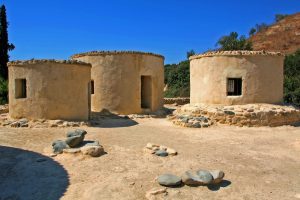
Long before the ancient Greeks built their temples or the Romans laid their mosaics, Cyprus was home to some of the Mediterranean's earliest farming communities. These prehistoric pioneers built villages, grew crops, and created a culture that would lay the foundation for thousands of years of Cypriot civilization. The Island's First Settlers Cyprus's prehistoric story begins over 11,000 years ago when the island's landscape looked dramatically different from today. The first humans to arrive found a land inhabited by pygmy hippos and dwarf elephants - miniature versions of their mainland cousins that had evolved in isolation on the island. These early settlers were hunter-gatherers who eventually gave way to organized farming communities. By around 7000 BCE, Cyprus had developed a full Neolithic (New Stone Age) culture with permanent villages, domesticated animals, and agricultural fields. These weren't primitive camps but sophisticated settlements with stone architecture, communal planning, and complex social structures. The island's prehistoric inhabitants created a distinctive way of life that would influence Cypriot culture for millennia to come. From Ice Age Hunters to Stone Age Farmers The earliest evidence of human presence on Cyprus comes from a coastal rock shelter called Aetokremnos, dating to around 9500 BCE. Here, archaeologists found thousands of burned bones from Cyprus's now-extinct dwarf hippos - 74% of all the animal remains at the site.…

Read more