Explore Cyprus with Our Interactive Map

Explore our top stories and discover ideas worth your time.

Brachychiton (Bottletrees)

Brachychiton (Bottletrees)

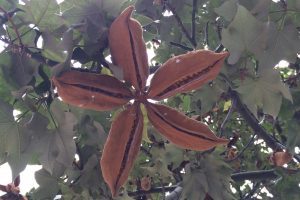
Imagine strolling through a sunlit park in Limassol or Nicosia when suddenly a tree bursts into vivid scarlet flowers, turning the branches into a living flame against the blue sky. These are the Brachychiton trees — Australian visitors that add a splash of dramatic color to our island's gardens and streets, whispering tales of distant lands. Konstantin-Solovev Bottle-Shaped Beauties Brachychiton trees are part of the vast Malvaceae family, the same group that gives us cotton, hibiscus, and cacao – plants known for their showy flowers and useful fibers. In Cyprus, they are tall, sturdy trees often grown for their striking looks and shade, fitting right into our warm, dry climate like old friends from afar. From Australian Bush to Cypriot Shores These trees first took root in the wild bushlands of Australia millions of years ago, evolving alongside kangaroos and koalas in a continent shaped by ancient isolation. They arrived in Cyprus during the British colonial era around the early 20th century, planted as hardy ornamentals to beautify towns and provide quick-growing shade, much like the eucalypts that came before them. Today, they stand as quiet reminders of how human wanderings have blended the world's green treasures. Konstantin-Solovev Swollen Trunks and Scarlet Spectacles What makes Brachychiton stand out is their bottle-shaped trunks, swollen at the base like natural water tanks…

Read more
Mesaoria Plain Cyprus Agricultural Heartland

Mesaoria Plain Cyprus Agricultural Heartland

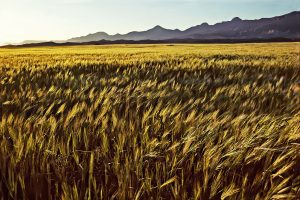
The Mesaoria Plain stretches 96 kilometres across central Cyprus between two mountain ranges. Mesaoria, meaning "between the mountains" in Greek, is a broad central plain that extends from Morphou Bay in the west to Famagusta Bay in the east. The Troodos Mountains rise to the south, while the Kyrenia Range forms a wall to the north. The plain covers approximately 1,000 square kilometres with elevations ranging from 100 metres on average up to 325 metres at its highest points. wikimedia-org Nicosia, the capital of Cyprus, sits roughly in the centre of the plain along the Pedieos River. This positioning reflects centuries of strategic thinking, as the location provided access to both coasts. The plain contains dozens of villages and several major towns, making it the most densely populated region on the island despite its harsh summer climate and winter-dependent water supply. Historical Background Twenty million years ago, Cyprus existed as two separate islands corresponding to what would become the Kyrenia and Troodos mountain ranges. Approximately one million years ago, tectonic forces pushed up the land between these islands, creating the Mesaoria Plain and joining them into the single landmass known today as Cyprus. The Mediterranean Sea covered and exposed the plain multiple times as sea levels changed, but it has remained in its current form since the end of the…

Read more
Cyprus Artisanal Sweets

Cyprus Artisanal Sweets

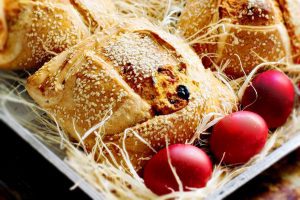
Cyprus has developed a distinctive collection of traditional sweets that reflect centuries of cultural exchange between Greece, the Middle East, and the Mediterranean. These artisanal treats are not luxury items but essential parts of daily life, religious celebrations, and village festivals. shutterstock-com From honey-soaked dough balls to sesame confections and refreshing milk puddings, Cypriot sweets combine simple ingredients with time-tested techniques to create memorable flavors. Each sweet tells a story of the island's agricultural abundance, its position as a crossroads of civilizations, and its commitment to preserving culinary heritage. Historical Context The tradition of sweet-making in Cyprus dates back to ancient Greece and Byzantium. Historical texts reveal that many current recipes have roots in Byzantine-era treats called plakoundes, pemmata, or melipikta. These early sweets were made with dough and natural sweeteners like honey, carob syrup, or grape must. The word halva derives from the Arabic term for sweetness, reflecting the Ottoman influence that shaped Cypriot cuisine for centuries. Loukoumades trace their history to 776 BC, when ancient Greeks offered honey-soaked dough balls as prizes to Olympic athletes. The tradition survived through Byzantine times, when monasteries made these treats during Lent because they contained only flour, yeast, water, and honey. As different cultures settled in Cyprus, they brought their own variations and techniques, creating the diverse sweet traditions that exist today.…

Read more