Traditional Caique and Dghajsa Boats Cyprus
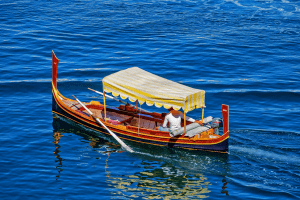
Along the Cypriot coast, the sea was never a distant backdrop. It was a working space, a source of food, and a route that connected villages to the wider Mediterranean. For generations, this relationship depended on small wooden boats shaped by experience rather than theory. Among them, the caïque and the varka (or local skiff) represent traditions of craftsmanship and seamanship. This article explores how these boats were built, how they were used, and why they still matter, not as romantic symbols, but as practical responses to life by the sea. Boats Designed by Water, Not by Paper Traditional Mediterranean boats were not designed on drafting tables. They were shaped directly by water conditions, weather patterns, and daily use. Boatbuilders worked from memory, observation, and repetition, adjusting proportions until a vessel behaved correctly at sea. The caïque and the dghajsa belong to this tradition. Both are wooden craft, built by hand, and adapted to short journeys, frequent use, and close interaction with coastlines. Their forms reflect accumulated knowledge rather than innovation for its own sake. Understanding these boats means understanding the environments they served. The Caïque: A Working Boat for Cypriot Waters The caïque is the vessel most closely associated with Cyprus and nearby regions of the Eastern Mediterranean. It was primarily a working boat, built for fishing and small-scale…
Read more