Explore Cyprus with Our Interactive Map

Explore our top stories and discover ideas worth your time.

Blossoms Amid the Baked Earth

Blossoms Amid the Baked Earth

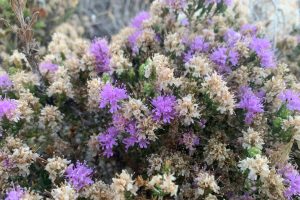
Picture yourself hiking a dusty trail in Cyprus's sun-parched hills during the height of summer, where most vegetation has surrendered to the relentless heat. Yet amid the faded grasses, a resilient herb unfurls its tiny purple flowers, releasing a warm, peppery fragrance that speaks of timeless remedies and savory island feasts. This is thyme, a modest wild treasure that defies the drought, inviting us to explore its quiet role in Cypriot nature and culture. www.inaturalist.org A Quiet Herb with Fragrant Cousins Thyme is a small, tough plant from the mint family, a big group of herbs known for their square stems and strong smells. It's the kind of everyday green that pops up in dry, sunny spots, offering a bit of flavor and freshness to anyone who finds it growing wild. Whispers from Long Ago Thyme's documented presence on Cyprus reaches back to the island's earliest people around 10,000 years ago, who picked it from the hills for simple meals and soothing teas. Across the sea, Egyptians used it in their rituals for the dead, Greeks burned it for bravery before battles, and Romans sprinkled it to freshen their homes – a little herb that traveled with wanderers, becoming a quiet friend in Mediterranean life as empires rose and fell. In Cyprus, ancient healers like those mentioned in old texts…

Read more

The Chalcolithic Priestesses of Enkomi

The Chalcolithic Priestesses of Enkomi

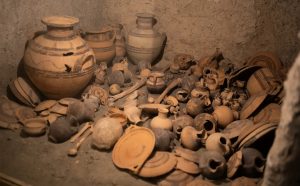
In the Chalcolithic period of Cyprus, around 3900 to 2500 BC, women likely held key roles as priestesses or ritual leaders in communities like those near what would later become Enkomi. These figures guided ceremonies focused on fertility, birth, and the emerging magic of metallurgy, acting as bridges between daily life and unseen forces. Their story uncovers a time when religion was woven into survival, leaving us with intriguing artifacts that hint at powerful female authority in ancient Cypriot society. estateofcyprus-com Unveiling an Ancient Spiritual World Step back to a Cyprus without cities, kings, or written words - a landscape of scattered villages where life hung on the whims of nature. This was the Chalcolithic era, a bridge between the Stone Age and Bronze Age, when people first experimented with copper tools and settled into larger groups. Communities clustered around fertile valleys and rivers, like those in the Paphos region or near the eastern coast where Enkomi would later rise. Religion wasn't separate from daily grind; it was a toolkit for dealing with births, harvests, and deaths. Women, tied closely to life's cycles through childbearing and caregiving, emerged as natural leaders in these rituals. Though we don't have names or titles, artifacts suggest priestesses - knowledgeable women who orchestrated ceremonies to keep balance in an unpredictable world. ancientcyprus-com Roots in…

Read more
Maa-Palaiokastro: Bronze Age Copper Hub

Maa-Palaiokastro: Bronze Age Copper Hub

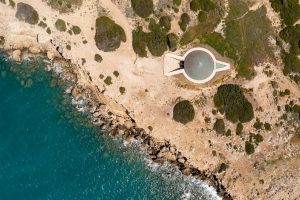
Maa-Palaiokastro is an important site in Cyprus’s history. This Late Bronze Age settlement on the western coast near modern Paphos shows the arrival of Mycenaean Greeks to the island around 1200 BC. Built on a small peninsula and surrounded by strong walls, the site shows how Greek culture began to influence Cyprus during a period of major changes across the eastern Mediterranean. pafos region facebook The name "Palaiokastro" means "old castle" in Greek, referring to the large fortification walls that were still visible long after people left the settlement. The site includes the ruins of a small but strategically important community from the late 13th to mid-12th century BC, along with an underground museum built in 1996. The settlement sits on a promontory that sticks out into the Mediterranean, connected to the mainland by a narrow strip of land. Excavations have uncovered houses, public buildings with Aegean-style architecture, and two large defensive walls that protected the settlement from attacks by land or sea. The Historical Context of Maa-Palaiokastro The settlement at Maa-Palaiokastro was built during a very unstable time in the eastern Mediterranean. At the end of the 13th century BC, the major Mycenaean palace centers in mainland Greece, like Mycenae and Pylos, collapsed. Many people left these cities and moved across the eastern Mediterranean looking for new places to…

Read more