Explore Cyprus with Our Interactive Map

Explore our top stories and discover ideas worth your time.

Pancyprian Gymnasium Museum Nicosia History

Pancyprian Gymnasium Museum Nicosia History

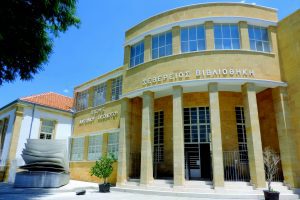
wikimedia.org The Museums of the Pancyprian Gymnasium occupy a series of restored houses just north of the school itself. These buildings house multiple collections under one roof, including a school history museum, archaeological and numismatic collections, an art gallery, natural history exhibits, antique maps, old weaponry, and a remarkable collection of Gothic sculptures. Each section contributes to a broader understanding of Cypriot education, culture, and history from different angles. The museum operates separately from the school but maintains a close connection to the institution that gave it life. Visitors enter from Thisseos Street rather than through the school grounds. The space has been carefully organized to guide guests through different aspects of the school's influence on Cyprus over more than two centuries. Historical Background Archbishop Kyprianos founded the Pancyprian Gymnasium in 1812 during Ottoman rule. The school was originally called the Hellenic School of Nicosia and stands today as the oldest continuously operating high school on the island. Before this institution, a school called Ellinomouseion had existed at the same location since 1753. The founding of the school represented a bold step in preserving Greek education and culture during a period of Ottoman control. Archbishop Kyprianos, who served as the head of the Cypriot Orthodox Church, saw education as essential to maintaining the cultural identity of the island's Greek population.…

Read more
Cyprus Local Markets

Cyprus Local Markets

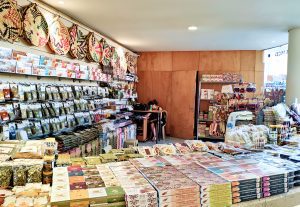
Cyprus local markets, known as laiki agora or people's markets, represent living institutions where agricultural producers sell directly to consumers while maintaining social networks that define community identity. These weekly open-air markets operate across cities, towns, and villages, with vendors displaying fresh produce, dairy products, preserved foods, and household goods on temporary stalls that appear each market day then disappear until the following week. The markets trace their origins to ancient agora traditions where commerce, politics, and social interaction converged in designated public spaces. For centuries, these gatherings functioned as primary venues for villagers to exchange surplus crops, acquire goods unavailable locally, and share information before modern retail and communication technologies transformed commerce. Despite supermarkets and online shopping, traditional markets persist because they offer direct farmer-to-consumer transactions, sensory shopping experiences, and trust-based relationships between regular customers and familiar vendors who guarantee product quality through personal reputation. The Weekly Rhythm of Market Days Each Cyprus community designates specific weekdays for its laiki agora, creating predictable schedules that structure household routines. Nicosia hosts multiple neighborhood markets on different days throughout the week, while smaller towns and villages typically organize single weekly markets. In the Turkish-occupied part of Cyprus, markets called pazarlar occur at least once weekly in nearly every town and village, with Kyrenia holding larger markets on Wednesdays and Saturdays. Market…

Read more

Cyprus Postal Museum Nicosia Stamps Heritage

Cyprus Postal Museum Nicosia Stamps Heritage

The Cyprus Postal Museum houses the island's complete postal history through stamps, postmarks, and philatelic materials that document communication systems from the 15th century to today. tripadvisor-ru The museum opened in 1981 and occupies the ground floor of a two-story mansion located within Nicosia's Venetian walls. The building sits in the Laiki Geitonia area at 3B Agiou Savva Street, near the historic churches of Trypiotis and Agios Savvas. The location places visitors in the heart of the old city, where postal services have connected Cyprus to the wider world for centuries. Historical Background The museum was established specifically to preserve and display the extensive collection of the Cyprus Post Office. Materials trace postal communications back to the Venetian period of the 15th century, when organized mail services to and from Cyprus began. Under British rule, Austrian postal branches operated in Cyprus, with one opening in Larnaca in 1864. Various international postal services functioned on the island before the modern system developed. The main exhibition hall focuses on the British Rule period, which shaped Cyprus's modern postal infrastructure. The oldest stamps in the collection feature Queen Victoria's portrait overprinted with the word CYPRUS. British stamps were used initially after Britain took control in 1878, with the first overprinted versions appearing in 1880. Between 1880 and 1888, approximately 1,159,000 stamps were issued…

Read more