Explore Cyprus with Our Interactive Map

Explore our top stories and discover ideas worth your time.

Seasons of Cyprus

Seasons of Cyprus

Cyprus experiences four distinct seasons, each with dramatic differences across its varied landscape. The same day that sees snow on Mount Olympus can bring 20-degree sunshine to coastal beaches just an hour away. This climate diversity creates a unique Mediterranean island where visitors can ski in the morning and swim in the afternoon. Understanding these seasonal patterns helps explain both the natural beauty and the agricultural traditions that define Cyprus. royalcaribbean.com The island enjoys roughly 300 days of sunshine annually, with temperatures influenced heavily by elevation. Coastal areas maintain mild winters and hot summers, while the Troodos Mountains create their own weather patterns. Average annual temperature along the coast reaches 26 degrees Celsius during the day and 17 degrees at night. The warm season lasts eight months, from April through November, making Cyprus one of the warmest locations in the Mediterranean region of the European Union. Winter and the Unexpected Snow Season Winter in Cyprus runs from December through February, but coastal residents often consider it autumn by northern European standards. Average temperatures along the coast hover around 16 to 17 degrees Celsius during the day, with nights cooling to 5 to 7 degrees. Rain falls occasionally, concentrated in these winter months which receive about 60 percent of the annual precipitation. Despite the rain, sunshine remains abundant with an average…

Read more
Modern Naval Heritage & Maritime Identity

Modern Naval Heritage & Maritime Identity

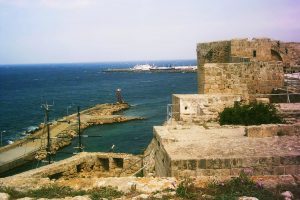
Cyprus has never treated the sea as a boundary. For centuries, its coastline functioned as a working edge where trade, defense, administration, and daily life met. In the modern period, this relationship was shaped most clearly by two naval powers: the Ottoman Empire and the British Empire. Their presence did not simply leave behind forts and harbors. It reshaped how the island was governed, how its ports functioned, and how Cypriots understood their place within the wider Mediterranean world. Globalgrasshopper-com This article explores how Ottoman and British naval priorities transformed Cyprus from a regional outpost into a strategic maritime asset, and why that legacy still defines the island’s identity today. An Island Positioned to Be Watched Cyprus sits at a crossroads of the eastern Mediterranean, close enough to Anatolia, the Levant, and Egypt to matter to every power operating in the region. This geography made neutrality impossible. Control of Cyprus meant visibility over key sea lanes, access to sheltered anchorages, and influence across multiple trading and military routes. Rather than isolating the island, the sea connected it outward. Cyprus became valuable not for its interior alone, but for how its coastline could support movement, surveillance, and supply. This strategic reality explains why naval priorities repeatedly shaped the island’s administration. What “Modern Naval Heritage” Really Means When discussing naval heritage in…

Read more
Citrus Groves That Shaped Cyprus Coast

Citrus Groves That Shaped Cyprus Coast

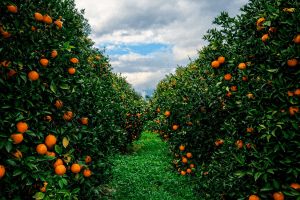
Citrus trees have never been a background crop in Cyprus. They reshaped coastal plains, sustained export economies, scented villages with orange blossom, and anchored everyday cooking. Oranges, lemons, grapefruits, and local hybrids thrive where mild winters meet long sunlight hours, making citrus one of the island's most recognisable and enduring farming traditions. Even as Cyprus modernises, citrus remains a quiet constant, rooted in land, memory, and daily life. Why Citrus Took Hold in Cyprus Citrus farming in Cyprus is defined by geography. The island’s coastal plains provide exactly what citrus trees require: frost-free winters, fertile soils, and long growing seasons. Unlike vineyards that climb into the mountains, citrus orchards stay close to the sea, shaping lowland landscapes around Morphou, Limassol, and Paphos. These groves were never ornamental. They provided reliable harvests, export income, and household staples, becoming as common in village courtyards as in commercial plantations. Over time, citrus trees blurred the boundary between agriculture and domestic life, integrating farming directly into everyday routines. The Coastal Landscapes That Grow Citrus Citrus orchards are closely tied to Cyprus’s coastal geography. The most productive groves sit on fertile alluvial soils where irrigation can be carefully managed. Historically, regions such as Morphou developed reputations as citrus heartlands due to access to natural springs and groundwater flowing from the Troodos foothills. Limassol’s coastal zones…

Read more