Explore Cyprus with Our Interactive Map

Explore our top stories and discover ideas worth your time.

Cape Aspro Natural Reserve Endemic Plants Reptiles

Cape Aspro Natural Reserve Endemic Plants Reptiles

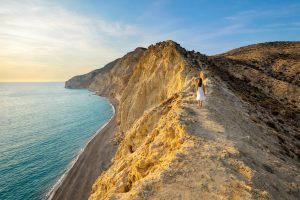
Cape Aspro is located on the southern coast of Cyprus between Limassol and Paphos. The name translates to "white" in Greek, a fitting description for the dramatic limestone cliffs that tower over 200 meters above the turquoise Mediterranean Sea. This natural reserve offers visitors a unique combination of geological wonder, biological diversity, and outdoor adventure. pissouriana-com The white cliffs of Cape Aspro formed over millions of years through natural geological processes. Composed of sedimentary limestone, these formations emerged as wind and sea erosion sculpted the coastline into its current dramatic shape. The cliffs feature caves, arches, and steep edges that create stunning visual contrasts, especially during sunrise and sunset when light reflects off the pale limestone surfaces. These geological formations connect to Cyprus's broader Troodos Ophiolite complex, a rare example where ancient oceanic crust and mantle rock were uplifted through tectonic activity approximately 90 million years ago. Today, visitors can see rocks that once existed more than 20 kilometers below the ocean floor, now exposed and accessible along the coastal trails. Network of Trails Leads to Panoramic Views The reserve features seven interconnected color-coded trails, with routes ranging from 3.5 kilometers to 12.3 kilometers in total distance. These paths wind along cliff edges and through the rugged coastal terrain, with the longest trail reaching approximately 10 kilometers when including the…

Read more

The Mottled Giants by Cypriot Streams

The Mottled Giants by Cypriot Streams

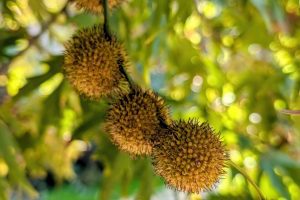
Beside a sparkling mountain stream in the Troodos foothills, tall trees with beautiful patchwork trunks cast deep, cool shade over the water. Their large, hand-shaped leaves rustle gently, while round, spiky fruit-balls dangle like tiny planets through the winter. This is the Oriental Plane, Platanus orientalis – Cyprus’s own river guardian and one of the island’s most majestic native trees. www.inaturalist.org A Member of an Ancient Family Known scientifically as Platanus orientalis, the Oriental Plane belongs to the small but noble Platanaceae family within the order Proteales. The Tree of Hippocrates, under which Hippocrates—the "Father of Medicine"—taught at Kos, is reputed to have been an oriental plane. In Cyprus it is the only native plane tree, perfectly adapted to life along permanent watercourses where it often forms beautiful gallery forests with willows and alders. From Ancient Rivers to Modern Cyprus The Oriental Plane has been part of Cyprus’s landscape since prehistoric times and is listed as fully indigenous in the Flora of Cyprus. It was already noted by 19th-century British foresters in riverine woodlands, and in 2001 the Department of Forests honoured it as one of Cyprus’s Trees of the Year. Today it remains a flagship species of the island’s precious riparian habitats. www.inaturalist.org Distinctive Features That Make It Unmistakable The Oriental Plane is a large deciduous tree reaching 20–30…

Read more
Avakas Gorge Cave Systems – Karst Caves of Akamas

Avakas Gorge Cave Systems – Karst Caves of Akamas

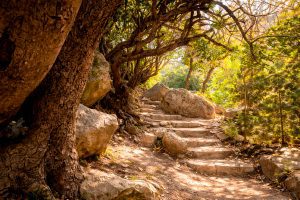
Avakas Gorge is a 3-kilometer-long limestone canyon located in the Akamas Peninsula, 16 kilometers west of Paphos. The gorge was created by the Avgas River, a seasonal stream that flows only in winter and spring. Over countless thousands of years, this modest river carved through layered limestone and created walls that reach 30 meters high in some sections. visitpafos-org The gorge is part of the Natura 2000 protected area network and attracts roughly 100,000 visitors per year according to forestry authorities. What makes it special isn't just the height of the walls but how narrow the passage becomes. In places, the gorge squeezes down to only 4 meters wide with cliffs towering on both sides and a strip of sky visible overhead. This creates dramatic light effects as sun filters down through the gap. Historical Background The rock that forms Avakas Gorge is limestone from the Mamonia Complex and was deposited in warm seas during the Mesozoic era millions of years ago. This limestone contains layers of reef formations, shell fragments, and marine sediments that hardened into stone. When Cyprus rose from the ocean and these rocks emerged on land, they became vulnerable to erosion. Limestone is soft enough that water can dissolve it chemically and carve it physically. During the Pleistocene era, roughly 2 million to 12,000 years ago,…

Read more