Ritual Function Over Aesthetic Realism
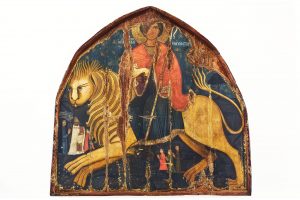
Ritual function over aesthetic realism in ancient Cypriot art meant creators focused more on making pieces that worked for spiritual purposes and clear symbols, rather than looking exactly like real life. This approach turned sculptures, pots, and carvings into tools for rituals, devotion, and symbolic clarity, putting heart and belief ahead of perfect looks. It's a style that makes art a bridge to the divine, sparking curiosity about what really mattered to island people long ago. A Style Built for Meaning, Not Mirrors Ancient Cypriot art placed practical use in rituals above lifelike details, creating items that served spiritual needs with bold, straightforward designs. Figures often appeared with exaggerated features or stiff poses, not from lack of ability, but to highlight symbols that carried deep significance. Across the island, from coastal temples to inland villages, this art helped connect communities with spirits, honor life's cycles, and bring order to daily existence. The simplicity allowed for easy recognition during ceremonies, where the focus stayed on the message rather than visual perfection. ajaonline-org The Roots of Purposeful Art Cypriot art's emphasis on ritual began in the Neolithic period, around 8500 BC, when early settlers shaped clay and stone into forms tied to their survival needs. Excavations at Choirokoitia, a southern village site from 7000 BC, uncovered basic figurines with minimal features, such…
Read more