Explore Cyprus with Our Interactive Map

Explore our top stories and discover ideas worth your time.

Dragons, Deep Caves, and Serpent Myths

Dragons, Deep Caves, and Serpent Myths

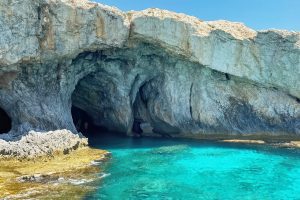
Cyprus possesses a landscape rich with caves, springs, and natural formations that have inspired supernatural stories for thousands of years. The island's geological features, from coastal grottos to mountain springs, became the settings for tales of dragons, serpents, and mysterious creatures that guarded treasures or threatened unwary travelers. pixabay-com These legends blend ancient mythology with local folklore, creating a unique tradition of supernatural stories connected to specific natural sites. The caves and springs of Cyprus served practical purposes as water sources and shelter, but they also held deeper meaning as places where the boundary between the ordinary world and the realm of myth became thin and permeable. Historical Context Serpent and dragon myths in Cyprus trace back to multiple cultural influences. The island's position at the crossroads of civilizations meant that Greek, Phoenician, Roman, and Byzantine traditions all contributed to local folklore. Ancient Greeks associated serpents with various deities and natural forces. The Agathodaemon, a benevolent spirit depicted as a serpent, was believed to protect homes and ensure prosperity for families. This protective serpent appears in Cypriot traditions as a guardian rather than a threat. The connection between serpents and water sources has ancient origins. Many Mediterranean cultures viewed springs and wells as sacred places where supernatural beings dwelled. In Cyprus, springs emerging from limestone rocks created mysterious cave systems…

Read more
Akamas Peninsula National Park Cyprus Nature Reserve

Akamas Peninsula National Park Cyprus Nature Reserve

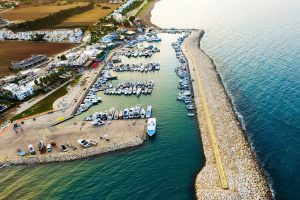
Akamas Peninsula National Park occupies the northwestern tip of Cyprus, beginning just north of Paphos and extending to Cape Arnaoutis. The landscape varies from golden beaches and dramatic coastal cliffs to arid plains covered in Mediterranean scrub and mountain forests of pine and juniper. shutterstock-com Deep gorges carved by seasonal rivers cut through the limestone terrain. No paved roads cross the interior, and most of the peninsula remains uninhabited. The area takes its name from Akamas, a son of the mythological hero Theseus, who supposedly founded the ancient city of Soli after fighting in the Trojan War. Historical Background Until the year 2000, the British military used Akamas for training exercises and as a firing range. Under the 1960 Treaty of Establishment, the British Army was allowed to use the peninsula for up to 70 days each year. The military presence actually helped preserve the area by preventing development. When the British withdrew, conservation groups and the Cyprus government began the long process of establishing protected status. visitcyprus-com In preparation for Cyprus joining the European Union, most of Akamas received designation under the Natura 2000 network between 2003 and 2009. Two turtle nesting beaches became Sites of Community Importance. The Polis-Gialia area received status as a Special Area of Conservation. The entire peninsula was designated a Special Protection Area for…

Read more
Cypriot Festivals Traditions

Cypriot Festivals Traditions

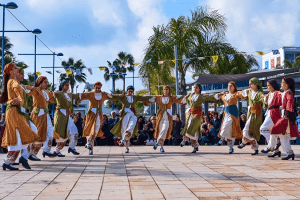
Across Cyprus, tradition does not survive in museums alone. It lives in streets closed for parades, village squares filled with music, and festivals where children dance the same steps their grandparents once learned. From large urban celebrations in Limassol and Nicosia to small rural gatherings in the Troodos Mountains, festivals remain the island’s most effective way of passing folk culture from one generation to the next. horosho-tam.ru These events are not staged nostalgia. They are active systems of cultural transmission, where music, dance, costume, and storytelling are learned by participation rather than explanation. Why Festivals Matter More Than Performances A concert can be watched. A festival must be joined. Cypriot festivals work because they blur the line between performer and audience. Children rehearse for months with local dance groups. Teenagers volunteer as organisers. Elders sing, comment, correct, and remember. Culture is not presented as something finished, but something ongoing. eaff.eu This is why festivals succeed where formal instruction often fails. They create emotional memory alongside skill. Limassol: Where Tradition Meets the Crowd Limassol has long been known as Cyprus's most celebratory city. Its festivals combine rural tradition with urban scale, keeping folk culture visible even as the city modernises. The Limassol Carnival: Satire, Song, and Continuity The Limassol Carnival is one of the island's oldest surviving festive traditions. Rooted in…

Read more