Explore Cyprus with Our Interactive Map

Explore our top stories and discover ideas worth your time.

Vouni Palace in Cyprus

Vouni Palace in Cyprus

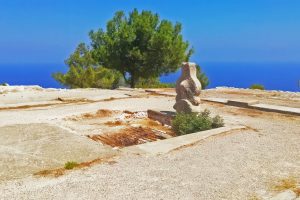
Perched on a rocky hilltop 250 meters above the Mediterranean Sea, the ruins of Vouni Palace stand as a remarkable architectural anomaly in ancient Cyprus. This site represents the only known example of Persian palace design not just on the island but throughout the entire eastern Mediterranean, built during one of history's most intense power struggles between two great civilizations. visitnorthcyprus-com Historical Background Around 500 BC, Cyprus found itself caught in the crossfire of the great wars between the Persian Empire and the Greek city-states. The island's ten kingdoms split into opposing camps, with some supporting the Persians and others backing the Greeks. This division led to bitter conflicts across Cyprus, on both land and sea. The ancient city of Soli, located near modern Lefke on the northwest coast, firmly supported the Greek cause. This position threatened Marion, a nearby pro-Persian kingdom situated close to present-day Polis. King Doxandros of Marion, a ruler loyal to the Persian Empire, decided to take action against his pro-Greek neighbor. In 500 BC, Doxandros established a military settlement on a strategic hill overlooking Soli. The location was perfect for surveillance. From this elevated position, Persian forces could monitor all sea traffic along the coast and observe every activity in the city below. What began as a simple military outpost would transform into one of…

Read more
Seasonal Folk Rituals in Cyprus

Seasonal Folk Rituals in Cyprus

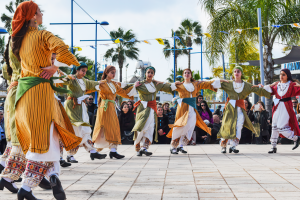
Seasonal folk rituals in Cyprus are vibrant traditions that blend ancient agrarian customs with Christian influences, marking the island's cycles of renewal, harvest, and protection. From spring bonfires warding off evil to autumn feasts celebrating abundance, these practices foster community bonds and a deep connection to the land. They offer a glimpse into how Cypriots have long navigated life's uncertainties through shared acts of faith and joy, keeping cultural roots alive in a modern world. Dom-com Echoes of an Agrarian Past Think of Cyprus as a place where the calendar isn't just dates on a page - it's a rhythm dictated by sun, rain, and soil. For millennia, life here revolved around farming and herding, where a good season meant plenty and a bad one spelled hardship. Seasonal folk rituals sprang from this reality, serving as ways to appeal to unseen forces for protection, fertility, and luck. They're not rigid ceremonies but flexible expressions of hope, passed down through generations in villages where everyone pitched in. Whether lighting a fire or sharing a meal, these acts made the unpredictable feel a bit more manageable, turning nature's turns into communal stories. A History Rooted in Survival and Faith These rituals stretch back to prehistoric times, around 3000 BC, when early Cypriots depended on the island's fertile valleys and copper-rich hills for…

Read more

Ancient Idalion Dali – City-Kingdom & Idalion Tablet

Ancient Idalion Dali – City-Kingdom & Idalion Tablet

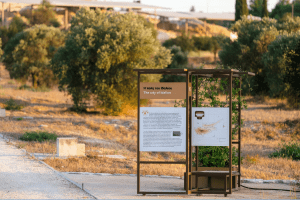
Idalion was an ancient city in Cyprus, in modern Dali, Nicosia District. The city was founded on the copper trade in the 3rd millennium BC. Located in the fertile Gialias valley between two hills, this powerful kingdom left behind one of the most important historical documents in ancient Cyprus, a bronze tablet that recorded a social welfare system 2,500 years old. wikimedia.org1 The ancient city was located in the fertile Gialias valley and flourished there as an economic centre due to its location close to the mines in the eastern foothills of the Troodos Mountains and its proximity to the cities and ports on the south and east coast.Idalion prospered and became so wealthy that it was listed as the first among the ten Cypriot kingdoms on the prism of the Assyrian king Esarhaddon (680-669 BC). This ranking shows how important the city was in the ancient Mediterranean trade network. Historical Background The ancient city was founded by the Achaean hero of the Trojan war, Chalcanor, descendant of Teucer, the founder of Salamis. This foundation legend connects Idalion to the wave of Greek colonization that followed the Bronze Age collapse around 1200 BC. The worship of Apollo Amyclae reveals that the Greeks came from Laconia. This detail shows that the settlers originated from the Peloponnese in southern Greece, bringing their…

Read more