Explore Cyprus with Our Interactive Map

Explore our top stories and discover ideas worth your time.

Cyprus Ports and Maritime Trade

Cyprus Ports and Maritime Trade

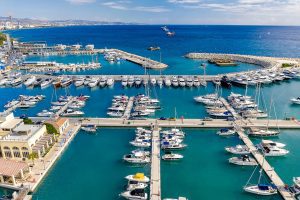
Cyprus operates as one of the Mediterranean's most important maritime hubs, with ports handling approximately 4.7 million tonnes of cargo annually and the island controlling the third largest merchant fleet in the European Union. The strategic location at the crossroads of Europe, Asia, and Africa has made Cyprus a natural transhipment center for European-Far East trade routes. Limassol serves as the main port, processing around 90 percent of the island's exports and imports with capacity for 500,000 twenty-foot equivalent units. The Cyprus ship registry ranks eleventh globally with over 2,200 ocean vessels totaling more than 25 million gross tons. Limassol city has evolved into Europe's largest third-party ship management center, with over 200 shipping companies managing approximately 20 percent of the world's third-party fleet. This concentration of maritime expertise contributes over one billion euros annually to Cyprus's economy, representing approximately seven percent of GDP. The Main Ports That Drive Cyprus Trade Limassol Port dominates Cyprus's maritime infrastructure as the busiest facility in the Mediterranean transit trade. Built after the 1974 Turkish invasion left Famagusta Port inaccessible, Limassol handles containers, iron, roll-on roll-off cargo, dry and liquid bulk, timber, and ferry passengers. Around 4,000 ships, 418,000 TEU, and 381,000 passengers pass through annually. The port can accommodate vessels up to 250 meters in length at berths with 14 meters of water…

Read more

Pancyprian Gymnasium Museum Nicosia History

Pancyprian Gymnasium Museum Nicosia History

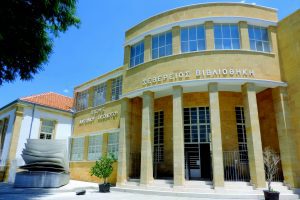
wikimedia.org The Museums of the Pancyprian Gymnasium occupy a series of restored houses just north of the school itself. These buildings house multiple collections under one roof, including a school history museum, archaeological and numismatic collections, an art gallery, natural history exhibits, antique maps, old weaponry, and a remarkable collection of Gothic sculptures. Each section contributes to a broader understanding of Cypriot education, culture, and history from different angles. The museum operates separately from the school but maintains a close connection to the institution that gave it life. Visitors enter from Thisseos Street rather than through the school grounds. The space has been carefully organized to guide guests through different aspects of the school's influence on Cyprus over more than two centuries. Historical Background Archbishop Kyprianos founded the Pancyprian Gymnasium in 1812 during Ottoman rule. The school was originally called the Hellenic School of Nicosia and stands today as the oldest continuously operating high school on the island. Before this institution, a school called Ellinomouseion had existed at the same location since 1753. The founding of the school represented a bold step in preserving Greek education and culture during a period of Ottoman control. Archbishop Kyprianos, who served as the head of the Cypriot Orthodox Church, saw education as essential to maintaining the cultural identity of the island's Greek population.…

Read more
Flowers Bloom Without Leaves in Cyprus Autumn Woods

Flowers Bloom Without Leaves in Cyprus Autumn Woods

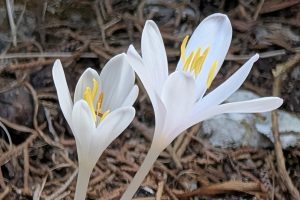
Picture this: as the summer heat fades in Cyprus, delicate white flowers suddenly pop up from the bare ground in the mountains, like little surprises from nature. Colchicum troodi is one of the island's special plants, blooming in fall and hiding a few secrets that make it both beautiful and a bit mysterious. But why does it flower "naked," and what ancient stories does it carry? www.inaturalist.org What Exactly Is This Quirky Cypriot Bloom? Colchicum troodi or “Troodos’s Naked lady” is a small, wild flowering plant that's unique to Cyprus — meaning it grows nowhere else in the world. It's a type of perennial that sprouts from an underground bulb-like structure called a corm, and it belongs to the Colchicaceae family, which includes other autumn-blooming flowers. Think of it as Cyprus's own version of an autumn crocus, adding a touch of color to the landscape when most plants are winding down. How Did This Flower Emerge from Cyprus's Ancient Past? The story of Colchicum troodi goes back to 1865, when Austrian botanist Theodor Kotschy discovered it during his travels across Cyprus and named it after the Troodos Mountains where he found it. The genus name "Colchicum" comes from Colchis, an ancient region on the Black Sea coast in what's now Georgia, tied to Greek myths about the sorceress Medea who…

Read more