Explore Cyprus with Our Interactive Map

Explore our top stories and discover ideas worth your time.

Elevated Cyprus Viewpoints Where Land Meets Sea

Elevated Cyprus Viewpoints Where Land Meets Sea

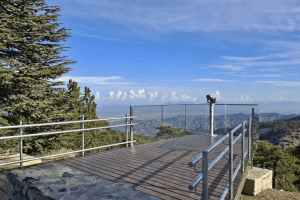
Cyprus offers some of the Mediterranean's most spectacular coastal viewpoints where limestone cliffs tower above turquoise waters, creating panoramic scenes that have inspired mythology and attracted visitors for millennia. Cape Greco National Park on the southeastern tip provides dramatic limestone cliffs plunging into emerald water, with hiking trails leading to viewpoints where ancient Greeks believed gods walked. shutterstock-com The Cape Greco viewpoint, located on a hill in the west, offers wonderful views of the entire cape, including the Blue Lagoon where meter-high waves crash against rocks when wind blows. These elevated perspectives reveal the island's geological drama while connecting visitors to landscapes that shaped Cyprus's cultural identity. The Legendary Rock of Aphrodite Petra tou Romiou, known as Aphrodite's Rock, represents Cyprus's most iconic coastal landmark where mythology meets natural beauty. The rugged coastline features striking rock formations emerging majestically from turquoise Mediterranean waters, creating dramatic and awe-inspiring panoramas. The main rock, a towering limestone stack, is surrounded by smaller rocks and a pebble beach, all set against the backdrop of rolling hills. shutterstock-com According to ancient Greek mythology, the goddess Aphrodite emerged from sea foam at this exact location. The tale suggests that Chronos castrated his father Uranus and threw his genitals into the sea. From the resulting foam, Aphrodite was born, carried to shore on a scallop shell. This…

Read more
Carob Tree Of Cyprus Hillsides

Carob Tree Of Cyprus Hillsides

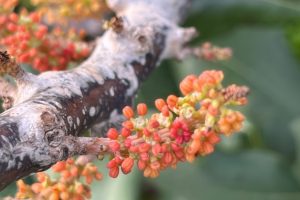
High on the sun-baked slopes where the Mediterranean breeze carries the scent of wild herbs, a sturdy evergreen stands like an old friend its broad crown offering shade and its long, chocolate-brown pods dangling like nature’s own candy bars. Meet the carob tree, a quiet giant of the Cypriot landscape that has sweetened island life for thousands of years. www.inaturalist.org A Hardy Member of the Legume Family Known scientifically as Ceratonia siliqua, this evergreen tree belongs to the Fabaceae family (the pea and bean clan) within the broader order Fabales. In Cyprus it is a classic component of the maquis and garigue shrublands, thriving alongside olives, pistachios and pines. Reaching up to 15 metres with a rounded crown and rough, dark bark, it is perfectly adapted to the island’s dry summers and mild winters. Ancient Companion of Cyprus Forests Long before vineyards or pine plantations covered the hills, carob trees formed part of the island’s original woodland cloak. Early naturalists described vast Mediterranean forests where carob mingled with myrtle, arbutus and pistachio on slopes that later became maquis after centuries of grazing and clearing. In the 19th century, British foresters noted its presence in degraded shrublands, while local tradition has always celebrated the tree’s resilience — plant an olive for your children, the saying goes, but plant a carob for…

Read more
Nissi Beach Cyprus Sun Sea Adventure

Nissi Beach Cyprus Sun Sea Adventure

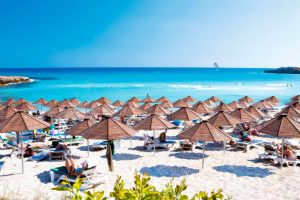
The Nissi beach stretches 500 meters along a crescent-shaped bay on the eastern coast of Cyprus, approximately three kilometers from Ayia Napa town center in the Famagusta district. The bay's distinctive feature is the small island, or "nissi" in Greek, positioned about 50 meters offshore. The water depth remains shallow throughout the bay, typically staying below waist level even 100 meters from shore, making the entire area accessible for wading and safe for families with children. dom-com The beach actually consists of two connected sections. The main stretch near the islet attracts larger crowds and hosts most water sports activities and beach bars. A second, smaller, quieter section extends to the west, providing more relaxed conditions for visitors seeking less activity. Both areas share the same water quality and sand characteristics that earned Nissi Beach its Blue Flag designation, an international eco-label awarded for excellent water cleanliness, environmental management, safety standards, and proper facilities. Historical Background Archaeological excavations conducted along the western borders of the bay in 2005 revealed firelighting equipment dating back 12,000 years. This discovery suggests the area may have been among the first locations settled by humans arriving on Cyprus. The artifacts included chipped stone tools and evidence of fire use. That shows early inhabitants recognized the bay's advantages, including protected waters, access to marine resources, and…

Read more