Cyprus Folk Dances and Festivals
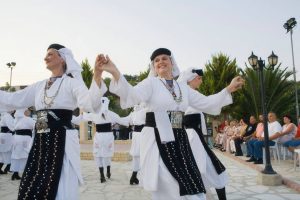
Cyprus folk dances represent living traditions that connect modern Cypriots to Byzantine heritage through choreographed movements, traditional costumes, and communal participation. These dances appear at weddings, religious festivals, harvest celebrations, and family gatherings, serving social functions beyond entertainment by reinforcing community bonds, facilitating courtship under supervision, and displaying cultural identity. incyprus-com The basic repertoire includes syrtos and kartzilaumas, performed as paired confrontational dances or circle formations, alongside specialty performances like tatsia where dancers balance wine-filled glasses on sieves, and drepani, the sickle dance demonstrating agricultural skills. incyprus-com Men and women traditionally danced separately, with social conventions restricting female dancing primarily to weddings while men performed at coffee shops, threshing floors, and festivals. The movements emphasize improvisation within communal constraints, with dancers competing to display skill while adhering to strict local standards that discourage excess or showiness that would violate collective norms. The Kartzilaumas Confrontational Tradition Kartzilaumas, the fundamental Cypriot dance from approximately 1910 through the 1970s, consists of six parts performed by confronted pairs of dancers, either two men or two women. The name derives from the Turkish word karşılama meaning greeting, reflecting the face-to-face positioning where dancers mirror and respond to each other's movements. The suite progresses through first, second, third, fourth, fifth or balos stages, with each part featuring slight variations in steps, tempo, and intensity. Between the…
Read more