Ottoman Era Mosques Urban Architecture Cyprus
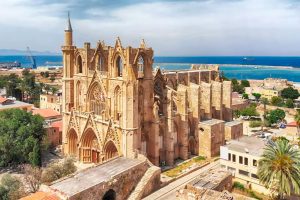
Ottoman architecture in Cyprus refers to the Islamic buildings and urban structures constructed or adapted during Ottoman rule from 1571 to 1878. This three century period significantly reshaped the physical appearance of Cypriot cities, especially Nicosia and Famagusta. The Ottomans introduced architectural forms developed in Istanbul and Anatolia, including domed mosques, hans or caravanserais, hammams or bathhouses, covered markets, and medrese schools. wikimedia.org Unlike other Ottoman territories where Islamic architecture replaced earlier structures, Cyprus presented a distinct situation. The Ottomans inherited large scale Gothic buildings from the Lusignan and Venetian periods, particularly cathedrals that were too monumental to demolish. Instead of destroying these structures, Ottoman authorities converted them for Islamic use through the addition of minarets, the removal of Christian imagery, and the installation of prayer niches. This practical approach produced hybrid monuments that combine French Gothic exteriors with Ottoman Islamic interiors. Historical Background The Ottoman conquest reached its conclusion in August 1571 when Famagusta fell after a brutal ten month siege during which six thousand Christian defenders resisted an Ottoman force exceeding one hundred thousand soldiers. Lala Mustafa Pasha, the Ottoman commander who led the invasion, became the first Turkish governor of Cyprus and immediately initiated the conversion of major churches into mosques. The transformation of urban landscapes reflected a deliberate policy aimed at establishing Ottoman authority through architecture.…
Read more