Explore Cyprus with Our Interactive Map

Explore our top stories and discover ideas worth your time.

Karpasia Peninsula Route Cyprus

Karpasia Peninsula Route Cyprus

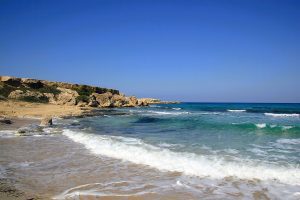
The Karpasia Peninsula extends like a long finger into the Mediterranean from northeastern Cyprus, reaching 75 kilometers toward Turkey and Syria. This narrow landmass, also known as the Panhandle, represents Cyprus's most remote and undeveloped region. The peninsula covers 898 square kilometers with a population density of just 26 people per square kilometer, making it one of the least inhabited parts of the island. google-com The main route runs from Trikomo, considered the gateway town, through small villages to Cape Apostolos Andreas at the very tip. This wild coastline hosts more than 46 sandy beaches, ancient ruins, and rare wildlife that make the journey one of Cyprus's most rewarding drives. Historical Background The Karpasia Peninsula has supported human settlement since the Late Bronze Age, with archaeological evidence showing continuous habitation for over 3,000 years. Ancient harbor sites near where Hala Sultan Tekke stands today served the town of Kition during its Bronze Age prominence from 1650 to 1050 BC. These coastal areas functioned as crucial trading posts connecting Africa, Asia, and Europe through maritime networks. The ancient city of Karpasia gave the peninsula its name, though only ruins remain today near the modern village of Rizokarpaso. Another major Bronze Age settlement, Afendrika, lies about seven kilometers east of Agios Filon Beach. This city flourished during the second century BC and…

Read more

Cyprus Motor Museum Classic Cars Motorcycles

Cyprus Motor Museum Classic Cars Motorcycles

The Cyprus Historic and Classic Motor Museum houses over 240 vintage vehicles in Limassol and stands as the only automotive museum in Cyprus. This collection spans more than a century of motoring history and includes some of the rarest automobiles in the world. en.wikipedia-org Dimi Mavropoulos founded the museum in February 2014 after years of planning. He was born in Limassol in 1949. Mavropoulos became one of Cyprus's most successful rally drivers. By age 20, he had already won numerous local races. He moved to London in 1969 to establish the European office for his family's fruit export business, and during his 30 years there, he competed in 382 rallies across Europe while continuing to race in Cyprus. His racing record speaks for itself. He won the Cyprus Championship multiple times, with his greatest achievement coming in 1990 when he won all seven championship events, including the prestigious Rothmans International Cyprus Rally. This feat remains unmatched. He competed in the Cyprus Rally 30 times and finished in the top three in 28 of them. After retiring from racing, his passion shifted to collecting classic and vintage cars. The idea for the museum came to him in 2000, but it took 14 years of hard work to make it happen. The museum first opened its doors in February 2014, then relocated…

Read more
Cape Aspro Natural Reserve Endemic Plants Reptiles

Cape Aspro Natural Reserve Endemic Plants Reptiles

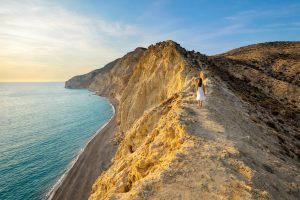
Cape Aspro is located on the southern coast of Cyprus between Limassol and Paphos. The name translates to "white" in Greek, a fitting description for the dramatic limestone cliffs that tower over 200 meters above the turquoise Mediterranean Sea. This natural reserve offers visitors a unique combination of geological wonder, biological diversity, and outdoor adventure. pissouriana-com The white cliffs of Cape Aspro formed over millions of years through natural geological processes. Composed of sedimentary limestone, these formations emerged as wind and sea erosion sculpted the coastline into its current dramatic shape. The cliffs feature caves, arches, and steep edges that create stunning visual contrasts, especially during sunrise and sunset when light reflects off the pale limestone surfaces. These geological formations connect to Cyprus's broader Troodos Ophiolite complex, a rare example where ancient oceanic crust and mantle rock were uplifted through tectonic activity approximately 90 million years ago. Today, visitors can see rocks that once existed more than 20 kilometers below the ocean floor, now exposed and accessible along the coastal trails. Network of Trails Leads to Panoramic Views The reserve features seven interconnected color-coded trails, with routes ranging from 3.5 kilometers to 12.3 kilometers in total distance. These paths wind along cliff edges and through the rugged coastal terrain, with the longest trail reaching approximately 10 kilometers when including the…

Read more