Explore Cyprus with Our Interactive Map

Explore our top stories and discover ideas worth your time.

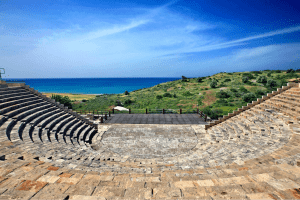
Stone Columns Above Cyprus Blue Waters

Stone Columns Above Cyprus Blue Waters

Cyprus coastal monuments showcase classical architecture where ancient stone columns rise against Mediterranean horizons, creating dramatic vistas that combine archaeological significance with natural beauty. The most impressive examples include the Greco-Roman theatre at Kourion perched on coastal cliffs 70 meters above sea level, the Sanctuary of Apollo Hylates with its partially restored temple columns, and the Tombs of the Kings in Paphos featuring underground burial chambers decorated with Doric pillars. Shutterstock-com These structures date primarily from Hellenistic and Roman periods between the 4th century BC and 4th century AD, when Cyprus prospered under successive empires. The architectural elements follow classical Greek orders with refinements from Roman building techniques, creating monuments that have withstood earthquakes, invasions, and two millennia of Mediterranean weather. The coastal positioning of these sites provided strategic advantages for ancient communities while offering modern visitors spectacular combinations of archaeological ruins and sweeping sea views that define Cyprus as a destination where history meets landscape. Kourion's Clifftop Theatre and Coastal Views The ancient theatre at Kourion was built in the 2nd century BC and extended during the 2nd century AD to accommodate 3,500 spectators. The structure occupies the most southern part of the city, positioned on dramatic coastal cliffs that provided both practical acoustics and majestic views toward the Mediterranean. The semicircular seating arrangement carved from limestone faces the…

Read more
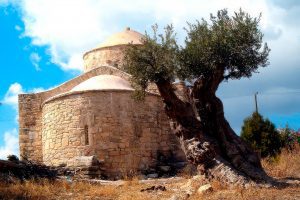
Olive Cultivation and Oil Production Cyprus

Olive Cultivation and Oil Production Cyprus

Olive trees shape Cyprus in ways that go far beyond agriculture. They define rural landscapes, anchor village life, and sit quietly at the centre of everyday cooking, ritual, and memory. From ancient stone presses to modern organic mills, olive cultivation on the island reflects continuity rather than reinvention. This is not a story of industrial scale, but of endurance. To understand Cyprus is to understand how olives are grown, harvested, pressed, and woven into daily life, generation after generation. sustainablefoodtrust.org2 More Than Agriculture: The Olive as a Way of Life Across Cyprus, olive trees are not confined to large estates or monoculture farms. They appear along field boundaries, beside houses, in courtyards, and on shared village land. Many families harvest their own olives each year, even if production is small, creating an agricultural culture that is deeply personal rather than purely commercial. dom.com_.cy3 Unlike countries that dominate global olive oil markets, Cyprus produces modest quantities. What it lacks in volume, it makes up for in intimacy. Olive cultivation here is less about export-driven efficiency and more about maintaining a relationship between people, land, and season. A History Rooted in the Earliest Settlements Olives have been part of Cypriot life for thousands of years. Archaeological evidence shows that wild olives were used by early communities during the Neolithic period, with deliberate…

Read more

Dandelion Natural Healer Hiding in Plain Sight

Dandelion Natural Healer Hiding in Plain Sight

Scattered across Cyprus's fields and paths, a sunny yellow flower known as the Cyprus dandelion catches the eye like a little burst of cheer. This humble plant, often mistaken for its common cousins, has roots in ancient remedies and a knack for thriving where others might not. But what makes it stand out in the crowd of dandelions, and why has it been cherished for centuries? www.inaturalist.org Getting to Know This Cheerful Meadow Dweller The Cyprus dandelion, or Taraxacum cyprium, is a wild flowering plant that's part of the vast dandelion family. It's like the familiar backyard weeds we all know, with yellow blooms that turn into fluffy seed balls, but this one has a special Cypriot twist. Locally called "Πικραλίδα" (pikralida), meaning "bitter one," it gets its name from the sharp, tangy taste of its leaves—a flavor that's been both a delight and a medicine for locals. A Story Rooted in Cyprus's Ancient Soils Dandelions have dotted the Mediterranean landscape for millions of years, evolving as the island of Cyprus rose from ancient seas through volcanic and tectonic shifts. Taraxacum cyprium was first described in 1931 by Finnish botanist Harald Lindberg, but its genus name comes from Greek words for "disorder remedy," hinting at how ancient healers in Cyprus and beyond used similar plants for everything from tummy aches…

Read more